
 4.0 PRObattery · on the go
 Home 230Vfor home
 Baby food warmersfrom 6 months
 Night Stationfor the night




 Cleaning Wipes Monthly Pack
 Home & 2Go Bundle
 Formula Dispenser Avent
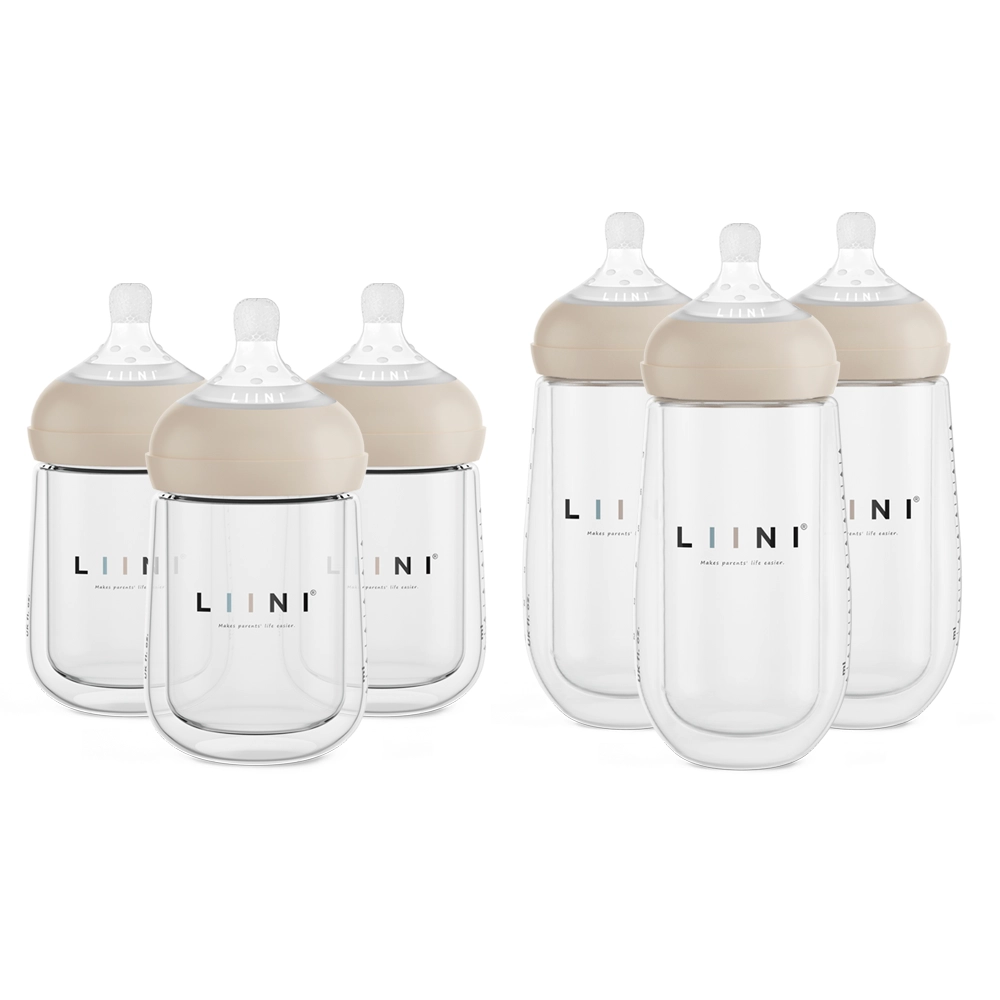 Baby Bottle Bundle










Cloth Diapers: Getting Started, Washing, Costs
All-in-one, pocket, or cover with an insert? Here’s how to get started with cloth diapers, wash them properly, and find out—honestly—when they save you money and reduce your carbon footprint.

Contents
In short
Modern cloth diapers come as one-piece all-in-one diapers, as pocket diapers that you fill yourself, and as covers with inserts; traditionally, they’re also available as muslin or pant-style diapers. To get started, a few diapers are enough to try them out. If you use only cloth diapers, swissmom estimates you’ll need 20 to 30 all-in-one diapers. After a pre-wash, they’re usually washed at 60 °C with heavy-duty detergent, without fabric softener, and air-dried. Whether cloth diapers save money and reduce CO2 emissions depends mainly on how you wash and dry them.
Modern cloth diapers have little in common with cloths and safety pins. Most fasten with Velcro or snaps, have highly absorbent inserts, and a waterproof outer layer. Here, you’ll learn about the different systems available, how many cloth diapers you’ll need, how to wash them, and what studies really say about costs and the environment.
Cloth Diaper Systems at a Glance
All cloth diapers have two functions: to absorb and to keep leaks out. The systems differ in whether both functions are combined in a single piece or are separate.
| System | How It Works | Advantages | Disadvantages |
|---|---|---|---|
| All-in-One | Absorbent core and leak-proof outer layer in one piece | As easy as a disposable diaper | The entire diaper must go in the laundry |
| Pocket Diaper | Waterproof cover with a pocket that you fill with inserts | Absorbency is adjustable; the cover and insert dry separately | Insert the inserts before changing the diaper |
| Covers with inserts | Insert or prefold inside a waterproof cover | Less laundry—the cover lasts for several diaper changes | Takes a little practice |
| Pants-style diaper | Absorbent diaper in panty form, worn with a cover | Lots of absorbent material, often used at night | Two pieces, a lot of fabric to wash |
| Gauze diaper | A cloth that you fold and place inside a cover | Simple cloth, versatile | Folding takes practice; outer pants required |
Öko-Test highlights the major advantage of one-piece diapers: they’re just as easy to use as disposable diapers. According to Öko-Test, two-piece systems result in a significantly smaller laundry pile, but they take some getting used to. Hybrid diapers with disposable inserts offer flexibility, but they still generate waste.
Kaaka® Cloth Diapers at LIINI
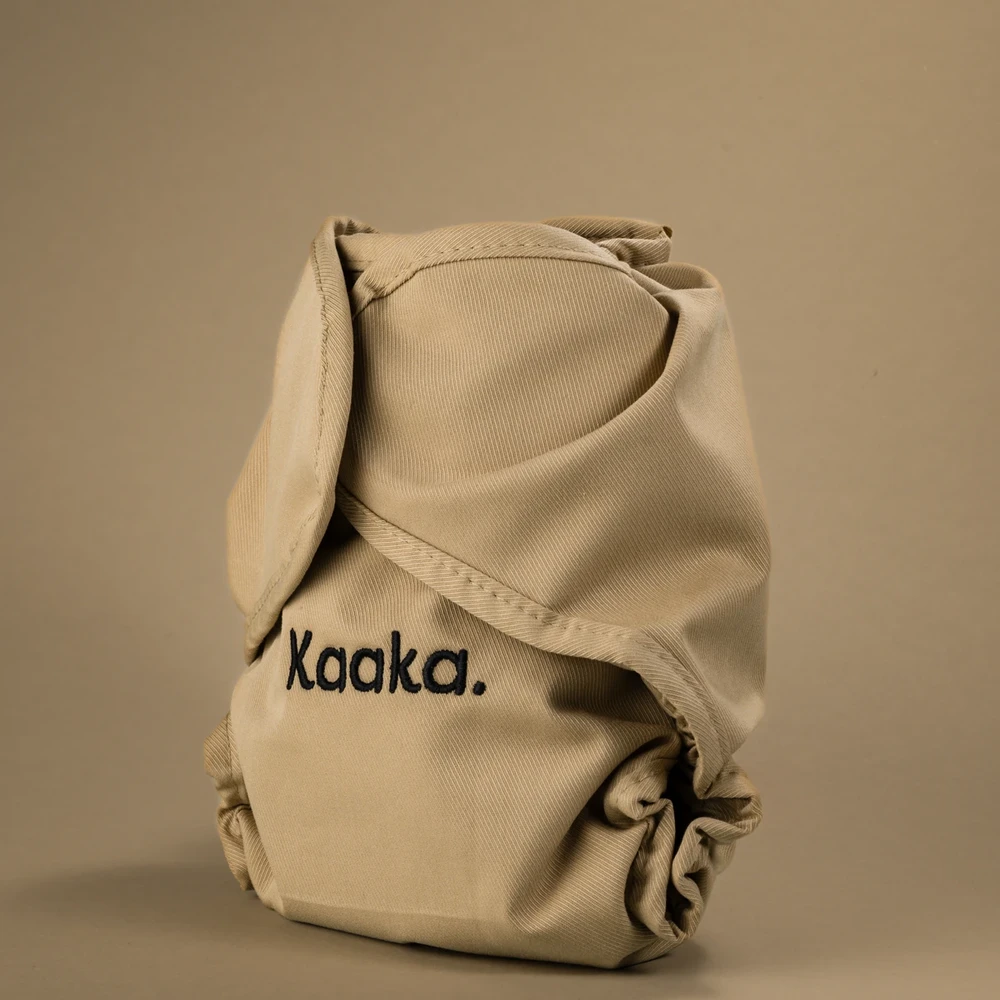
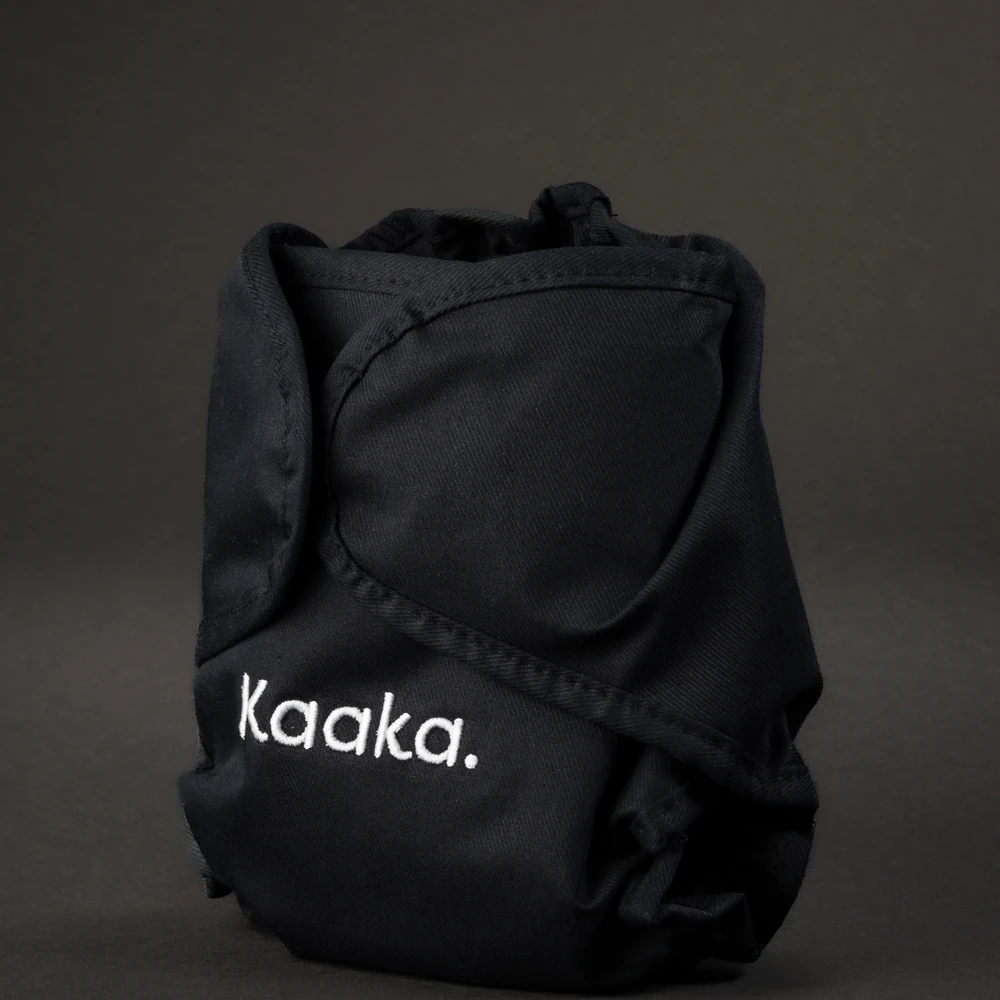
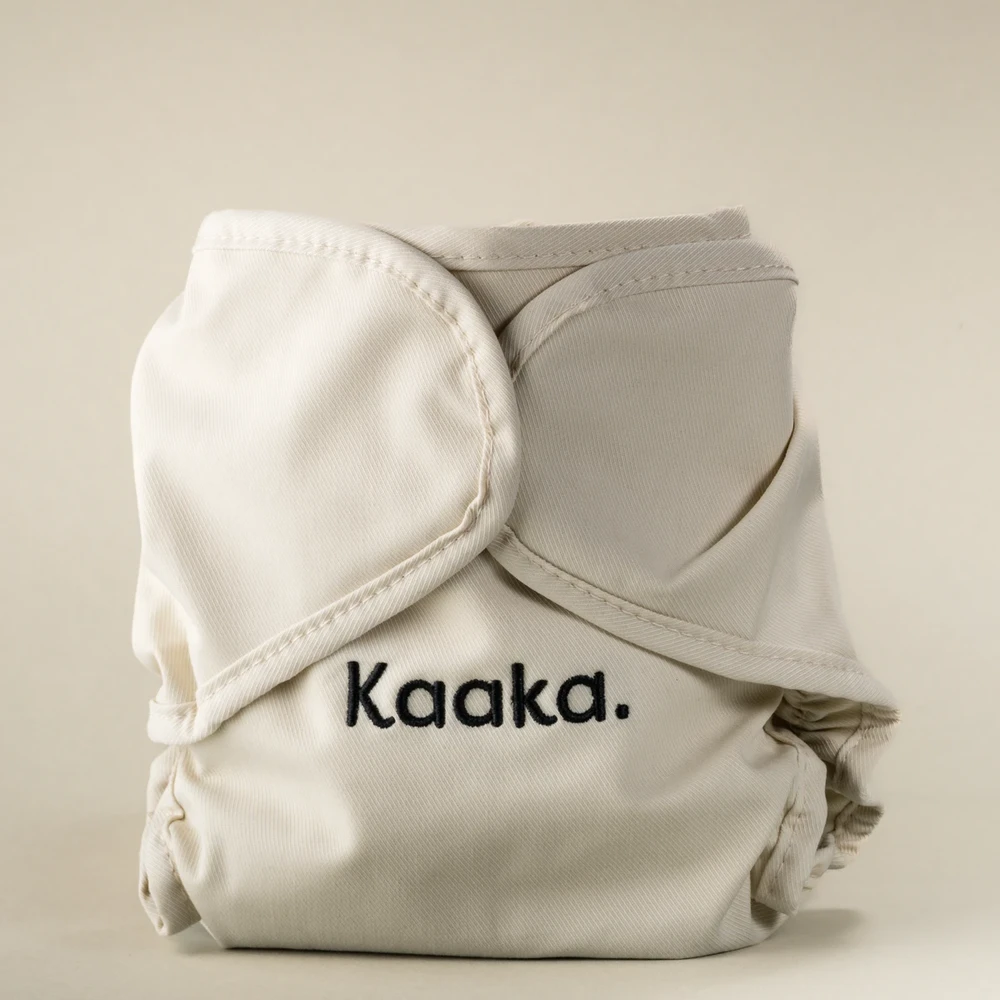
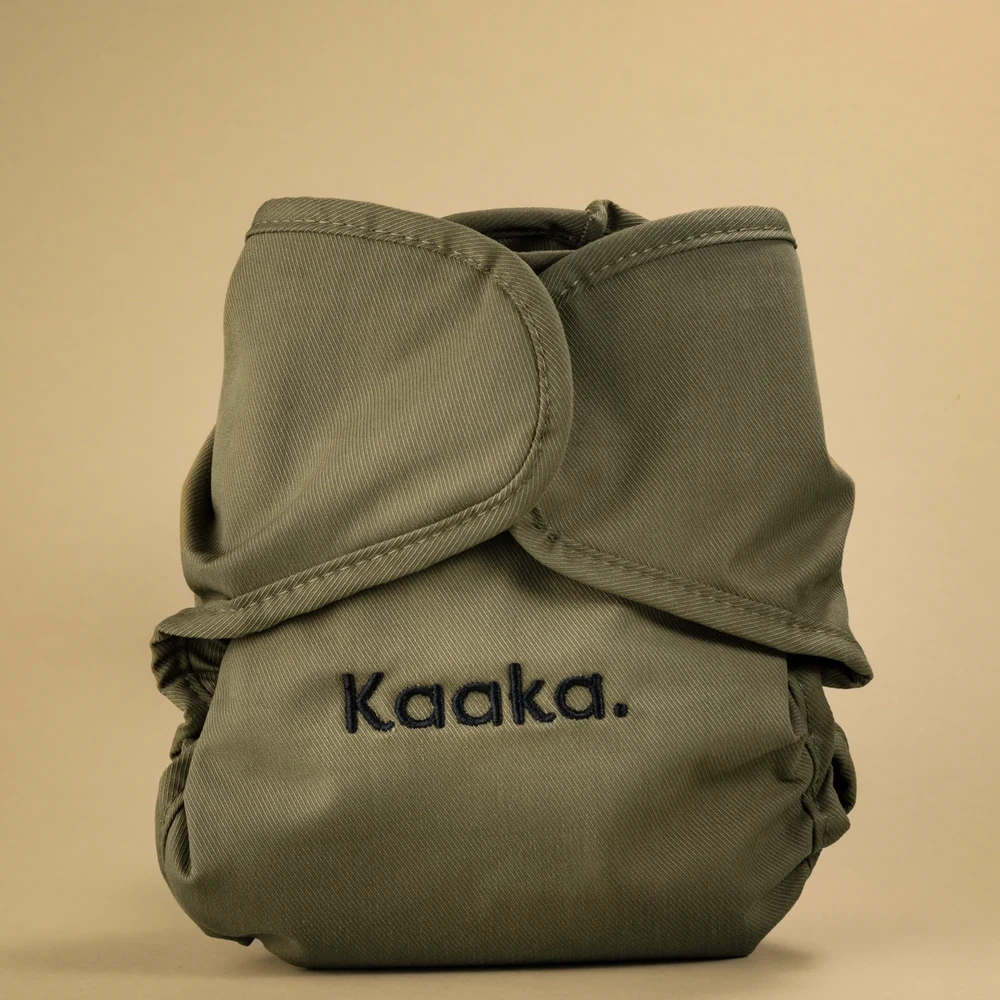
At LIINI, you’ll find Kaaka® cloth diapers. According to the manufacturer, you don’t need a cover with these: The diaper features 7-layer “Poo Dry®” technology made of cotton, bamboo viscose, and polyester, with a 3-layer absorbent core made of bamboo and a 2-layer waterproof membrane. The Velcro closure is adjustable and grows with your child.
- Size 0: From birth, for 3 to 6 kg. The set contains 12 diapers.
- Size 1: From about 3 months, for 6 to 10 kg. The set contains 8 diapers.
- Trial Set: 3 diapers with inserts, in both sizes.
From LIINI

How many cloth diapers do you need?
That depends on how often you change diapers and how often you want to wash them. According to pediatricians online, you should change a newborn’s diaper about every two hours, and later every three to four hours.
swissmom lists these quantities if you use only cloth diapers:
- All-in-One: 20 to 30 diapers, plus 5 pull-up diapers with 2 to 3 covers for nighttime.
- Pocket diapers: 20 to 30 diapers and about 30 inserts to fill them.
- Covers with inserts: 6 to 8 covers and about 30 inserts.
Kaaka recommends washing every 2 days. A set of 12 diapers is a good starting point. If you want to use only cloth diapers, you’ll need more based on the quantities listed above. You can also mix and match: cloth diapers during the day, and disposable diapers at night or when you’re out and about.
Tip
Don’t buy the entire supply right away. Try a few diapers first—for example, a sample pack—and see which system works best for your daily routine.
Getting Started with Cloth Diapers: Step by Step
- Start small. Begin by using a few diapers during the day at home. This will help you get a feel for the fit and how often to change them.
- Wash before first use. Wash new diapers according to the manufacturer’s instructions.
- Insert a liner: According to swissmom, a diaper liner as the top layer catches the stool. This way, less ends up in the washing machine.
- Put it on correctly: The diaper should fit snugly but not be too tight. This is also recommended by the British National Health Service (NHS). No fabric should stick out at the legs, otherwise moisture can leak out.
- Change frequently: Change wet or soiled diapers as soon as possible, as recommended by the NHS.
- Save them until laundry day. Put used diapers in a wet bag or a diaper pail with a laundry net. According to swissmom, the pail shouldn’t be airtight, or else odors will develop.
Changing Diapers on the Go: Pack a Wet Bag
When you’re out and about, you’ll need a wet bag. According to swissmom, bags made of laminated polyester (PUL) are water-repellent and odor-proof. It’s best to pack an extra diaper, along with a liner and wet wipes. Check the diaper bag checklist to see what else belongs in the bag. A diaper backpack offers plenty of space for spare diapers and wet bags.
It’s up to you whether you start using cloth diapers while you’re still in the hospital. Ask in advance what kind of diapers the hospital provides, and check the “Packing the Hospital Bag” checklist.
Washing cloth diapers: here’s how to do it right
- Remove Large Pieces: Dispose of the liner along with the stool before placing the diaper in the bag.
- Pre-wash: swissmom recommends a pre-wash without detergent.
- Main wash: According to swissmom, wash at 60 °C using heavy-duty detergent. Kaaka recommends 60 °C for colored laundry. BUND Naturschutz specifies 30 to 60 °C and advises using unscented powdered heavy-duty detergent. Always follow the care instructions for your diapers.
- No fabric softener: According to swissmom, it reduces absorbency. Kaaka also advises against bleaching, ironing, or dry-cleaning the diapers.
- Drying: swissmom and BUND Naturschutz recommend air-drying. In addition to air-drying, Kaaka also allows for tumble drying on a gentle cycle.
Run full loads of laundry. According to the life cycle assessment by the British Environmental Agency, this reduces the carbon footprint of cloth diapers, just like line drying.
Costs and the Environment: What Studies Say
According to the science magazine Quarks (WDR), a child needs about 5,000 to 6,000 disposable diapers before becoming potty-trained. Cloth diapers eliminate this waste. However, whether they’re also better for the climate and your wallet depends largely on you.
Environment: Washing and drying make the difference
In 2008, the British Environmental Agency compared both types of diapers over a period of two and a half years. The result: With average washing and drying, disposable diapers accounted for 550 kg and cloth diapers for 570 kg of CO2 equivalents—in other words, they were almost identical. However, the study shows just how much you can control yourself:
| What You Do | Impact on the carbon footprint of cloth diapers |
|---|---|
| Wash full loads or always air-dry | 16 percent less |
| Reuse them for a second child | 40 percent less |
| Always dry in the dryer | 43 percent more |
| Use a dryer and 90 °C instead of 60 °C | 75 percent more |
The agency summarizes it this way: Parents’ behavior determines the environmental impact of cloth diapers. According to The Conversation, a revised edition of the 2023 study arrives at a clearer conclusion: 345 kg of CO2 equivalents for cloth diapers compared to 457 kg for disposable diapers—about 25 percent less. Among other things, the updated study takes into account that the UK’s electricity mix now includes more renewable energy. Here, too, the authors emphasize: The benefit depends on not washing at too high a temperature, using efficient appliances, and avoiding the dryer as much as possible.
Costs: Initial Purchase vs. Ongoing Expenses
Cloth diapers cost more initially, but afterward the main expenses are water, electricity, and laundry detergent. You have to keep buying disposable diapers and throw them away with the trash, which may incur a bag fee depending on your municipality. A sample calculation by Quarks for Germany in 2021 showed savings of around 700 euros after two and a half years, factoring in cloth diapers, laundry costs, and trash fees. We haven’t found a comparable independent calculation for Switzerland.
Whether you save money depends on:
- the number and type of diapers you use,
- your electricity rate, and whether you use a dryer,
- whether you reuse or resell the diapers for a second child,
- whether you combine cloth and disposable diapers.
Skin, Experiences, and Common Mistakes
Are cloth diapers better for the skin? There’s no clear evidence to support this. The American Academy of Pediatrics (AAP) states that cloth diapers are generally less absorbent than disposable diapers. If your baby has a rash, the AAP recommends temporarily switching to disposable diapers until the skin heals. Changing diapers frequently is more important than the material itself. The NHS advises changing wet diapers promptly, letting the bottom air out without a diaper, and using a liner with cloth diapers.
Good to Know
If your baby’s bottom gets sore and doesn’t heal, ask your pediatrician or the parenting advice service. According to pediatricians online, it’s better to seek help early, before the rash spreads.
These mistakes happen often
- Do notuse fabric softener: The diaper won’t absorb as well, and leaks may occur.
- Seal the bucket airtight: Without air, odors develop.
- Not enough diapers: You’ll be constantly running to the washing machine. Make sure you have enough spares.
- Washing on high heat and always using the dryer: This wastes energy and negates the environmental benefits, according to the British life cycle assessment and Quarks.
- Incorrect fit: If the diaper is too loose or fabric is sticking out, the clothes will get wet.
Frequently Asked Questions
How many cloth diapers do I need?
If you’re using only cloth diapers, swissmom estimates you’ll need 20 to 30 all-in-one diapers, 6 to 8 cover pants, and about 30 inserts. To get started, a few diapers are enough to try them out.
How often do I need to wash cloth diapers?
That depends on your supply. Kaaka recommends washing its diapers every 2 days. Don’t leave used diapers lying around longer than the manufacturer specifies.
At what temperature should you wash cloth diapers?
Usually at 60 °C with heavy-duty detergent after a pre-wash without detergent. That’s what swissmom recommends. Kaaka specifies 60 °C for colored laundry for its diapers. Follow the care instructions on the label.
Can I put cloth diapers in the dryer?
That depends on the manufacturer. Kaaka allows the gentle cycle. Air-drying is better for the environment: According to a British life cycle assessment, using the dryer increases your carbon footprint by 43 percent.
Are cloth diapers really better for the environment?
When it comes to trash, yes. When it comes to the climate, only if you wash them sparingly. According to The Conversation, a new British version of the 2023 life cycle assessment shows that cloth diapers produce about 25 percent less CO2. However, this benefit depends on not washing them at too high a temperature and avoiding the dryer.
Are cloth diapers better for the skin?
There’s no clear evidence on this. According to the AAP, cloth diapers generally absorb less than disposable diapers. The key is to change them often and let the bottom air out regularly.
Are cloth diapers a good baby shower gift?
Yes, especially a sample set that lets parents try out the system. It’s best to ask them beforehand if they’d like to use cloth diapers. You can find more ideas in the “Gifts for Newborns ” guide and the “Essential Items Checklist.”
Sources
- Cloth Diapers: Shopping, Washing, and Care, swissmom.ch
- Cloth Diapers: Pros and Cons of the Different Systems, Öko-Test
- How toUse Cloth Diapers Properly, BUND Naturschutz in Bavaria
- An updated life cycle assessment study for disposable and reusable diapers (Summary, 2008, PDF), Environment Agency, Defra, and WRAP (United Kingdom)
- Reusable diapers can reduce the environmental footprint of parenting—but only if they’re used with care, The Conversation, 2023
- Which Diapers Are Best for the Environment?, Quarks, Westdeutscher Rundfunk (WDR)
- Diaper rash, NHS
- Diaper dermatitis – Diaper rash, Pediatricians Online, Professional Association of Pediatricians and Adolescent Medicine Specialists (BVKJ)
- Diapers: Disposable or Cloth?, HealthyChildren.org, American Academy of Pediatrics (AAP)
- Common Diaper Rashes & Treatments, HealthyChildren.org, American Academy of Pediatrics (AAP)
- Kaaka® Cloth Diaper Set (12-pack) for Newborns, Size 0; manufacturer’s information available at liini.ch