
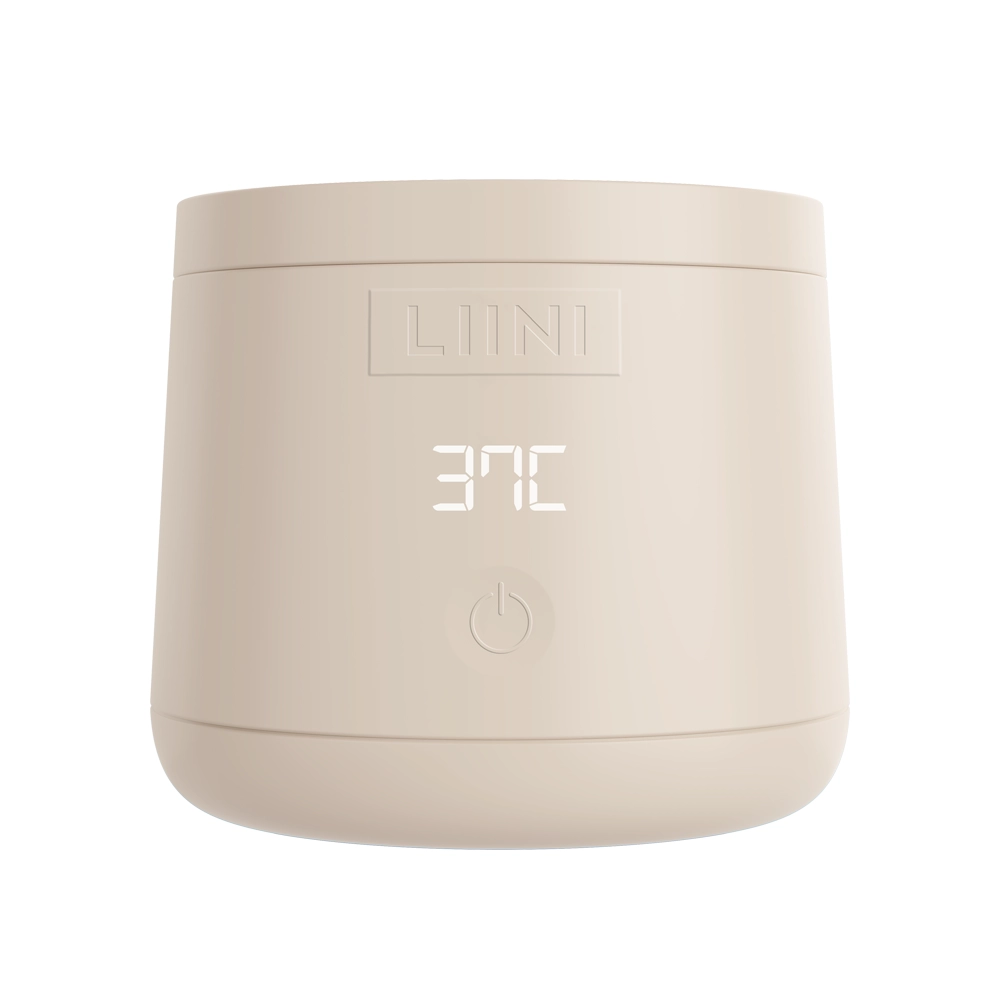
 4.0 PRObattery · on the go
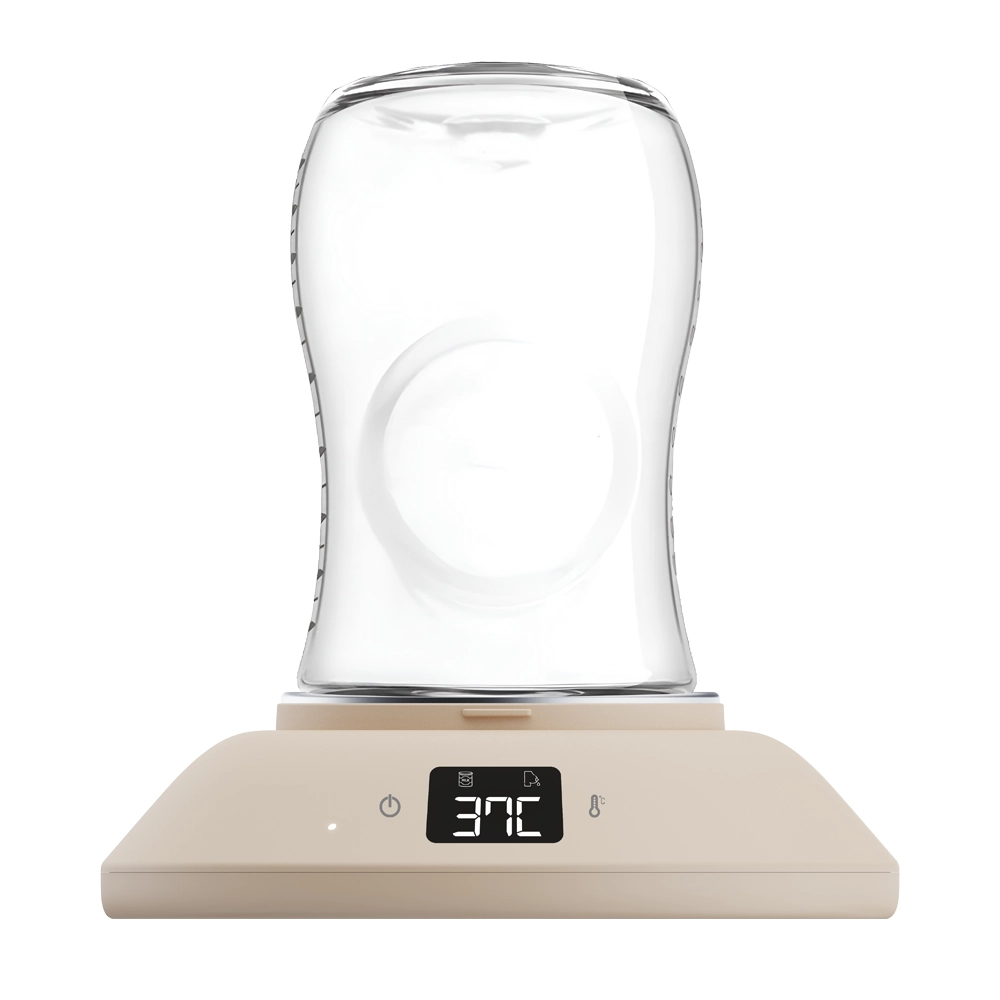 Home 230Vfor home
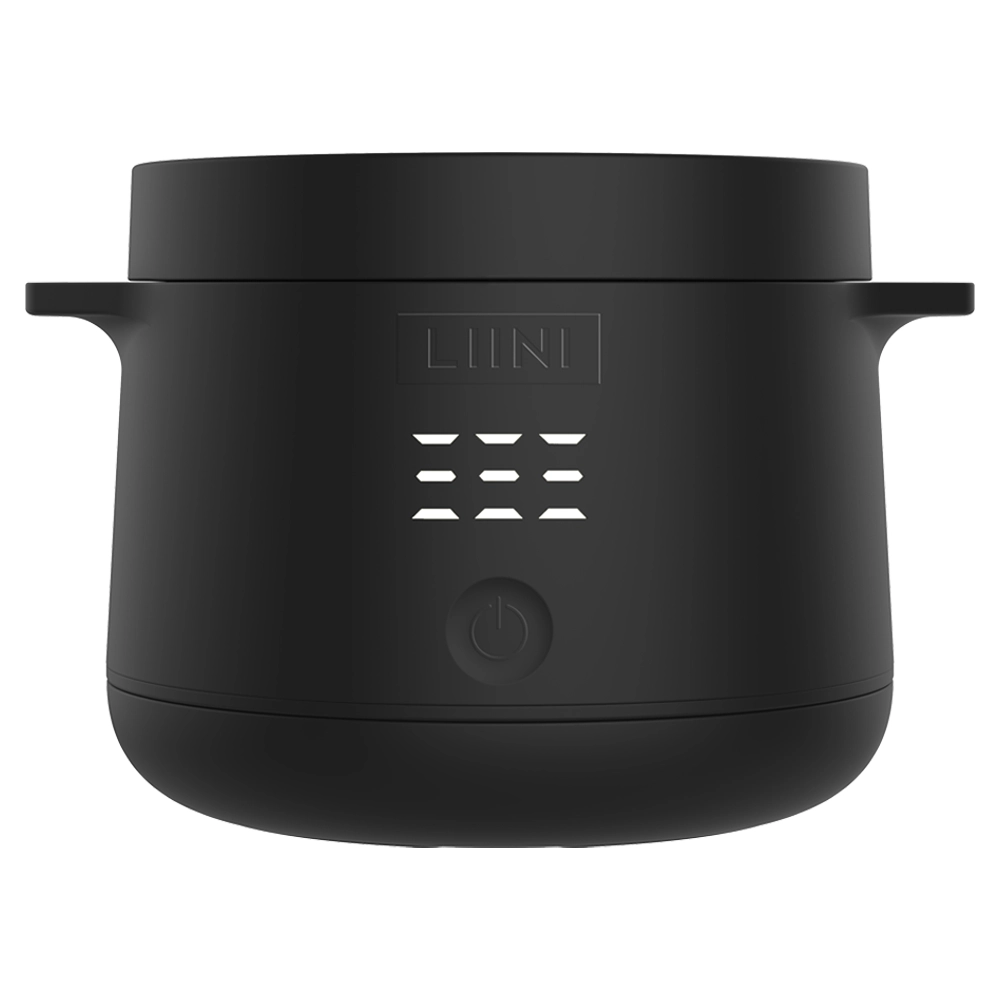
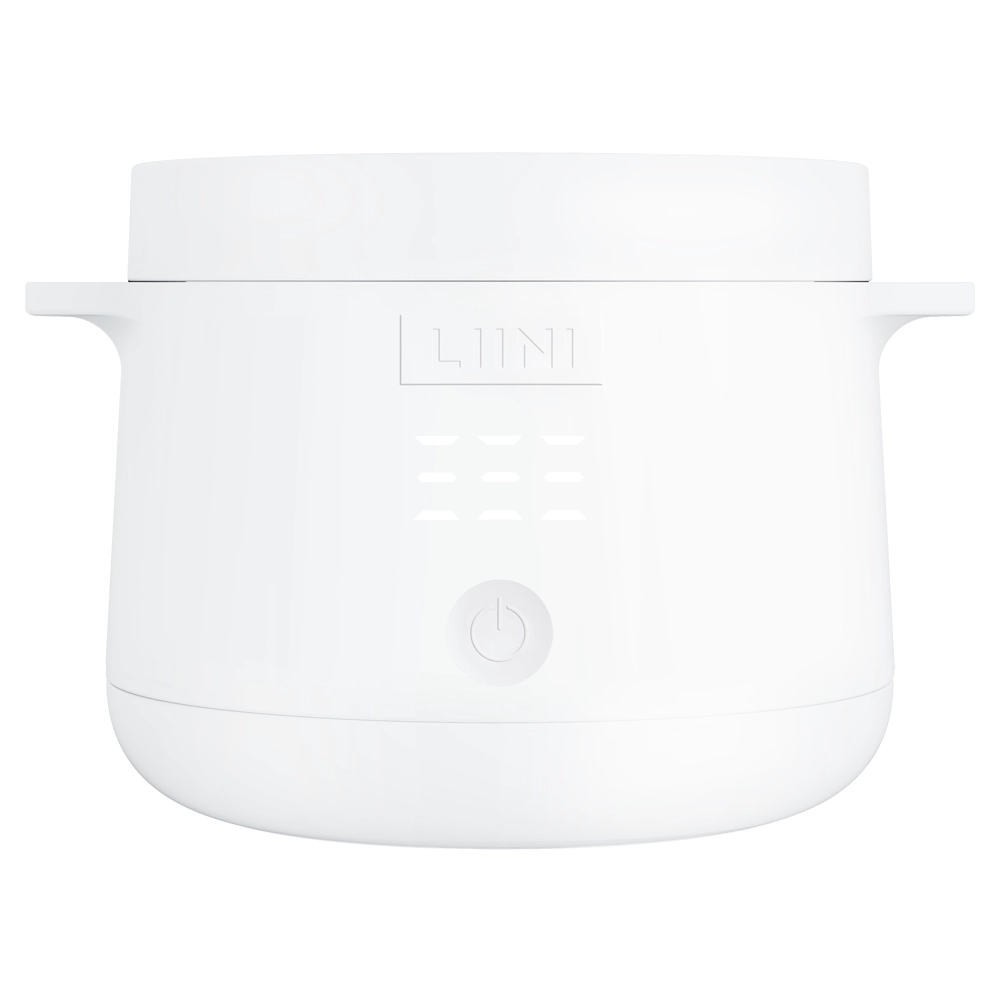
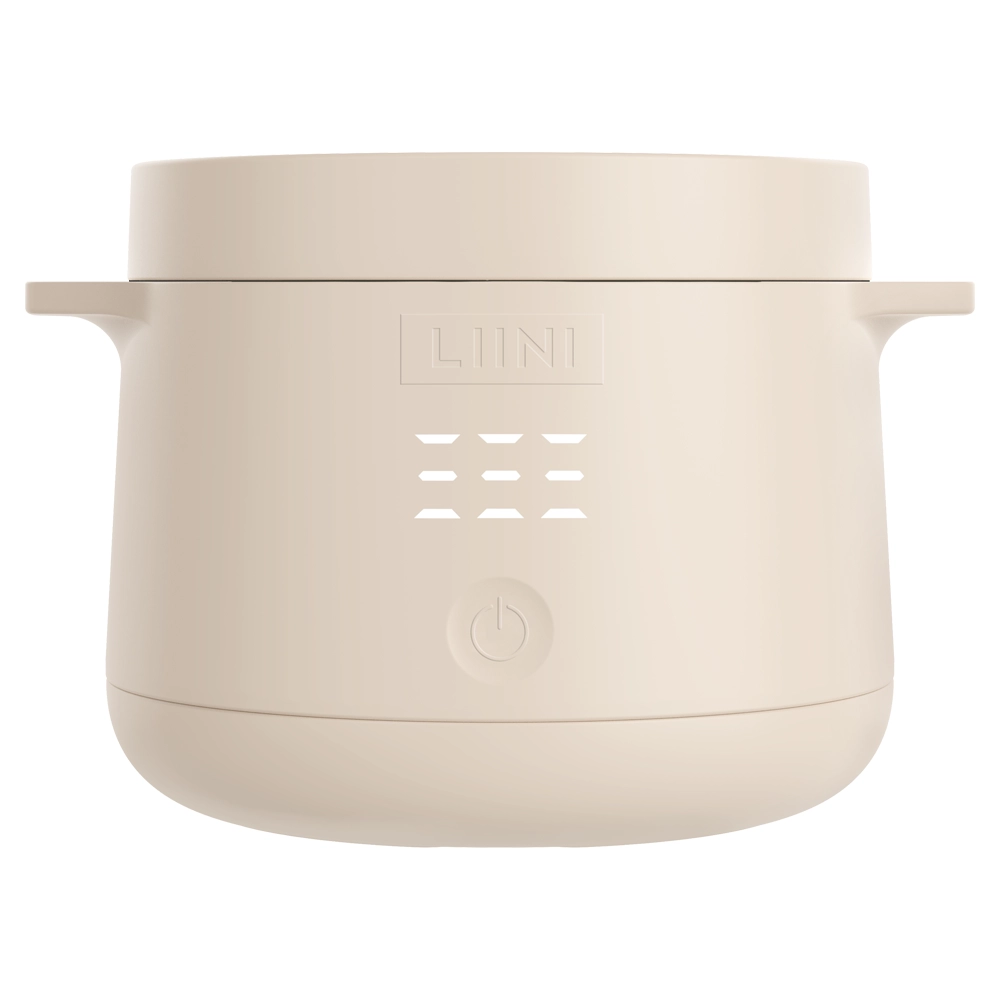 Baby food warmersfrom 6 months
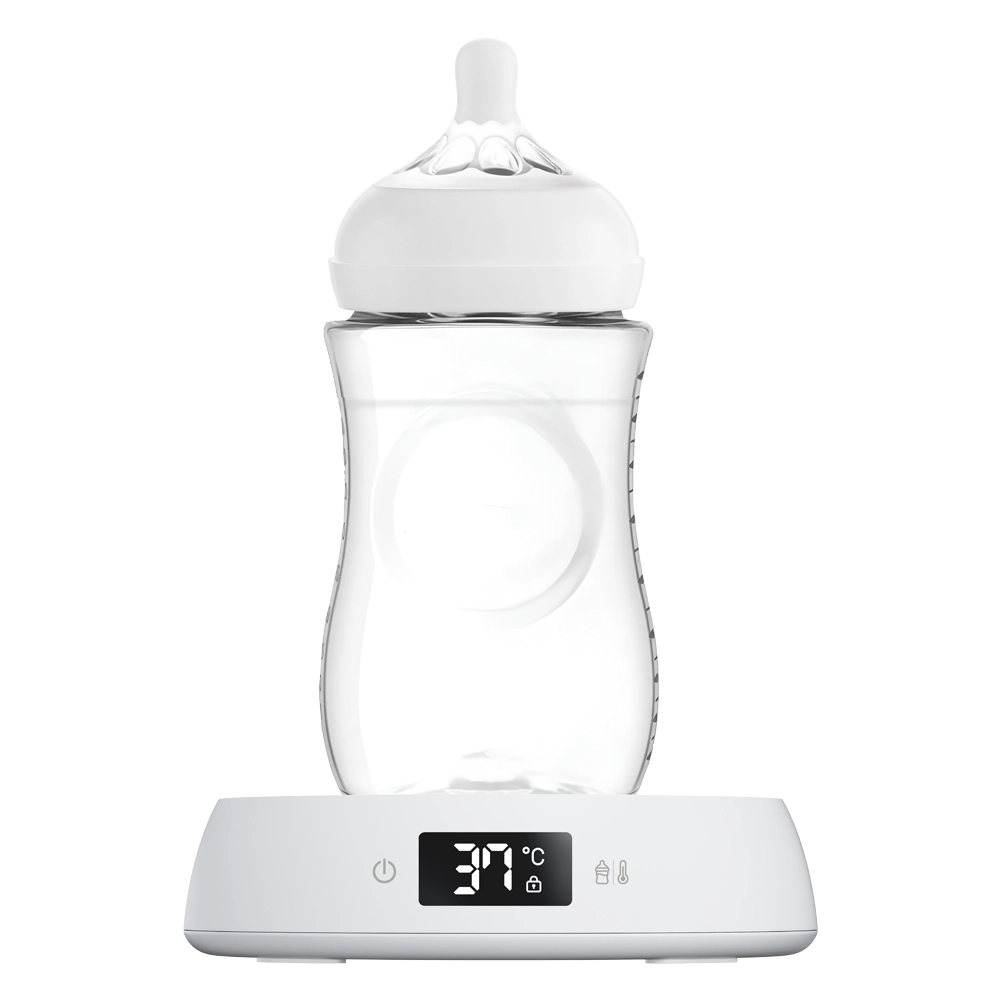 Night Stationfor the night




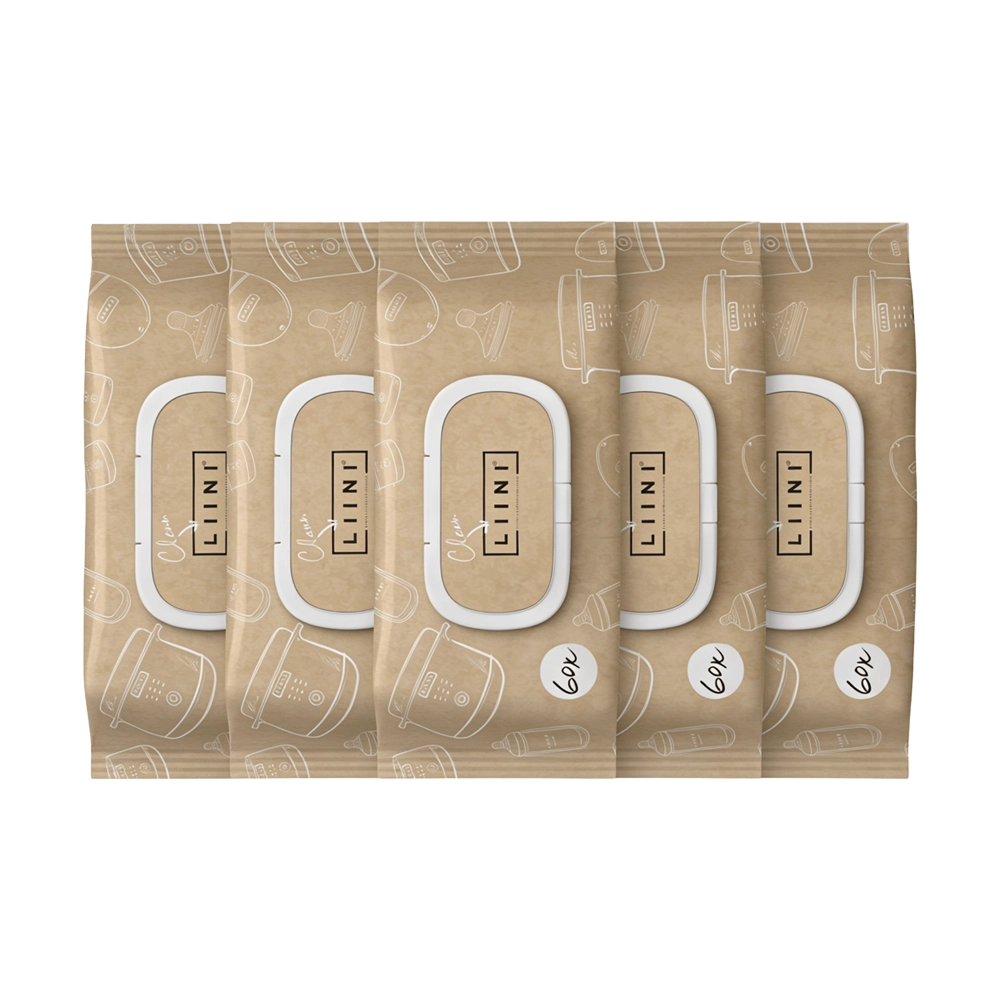 Cleaning Wipes Monthly Pack
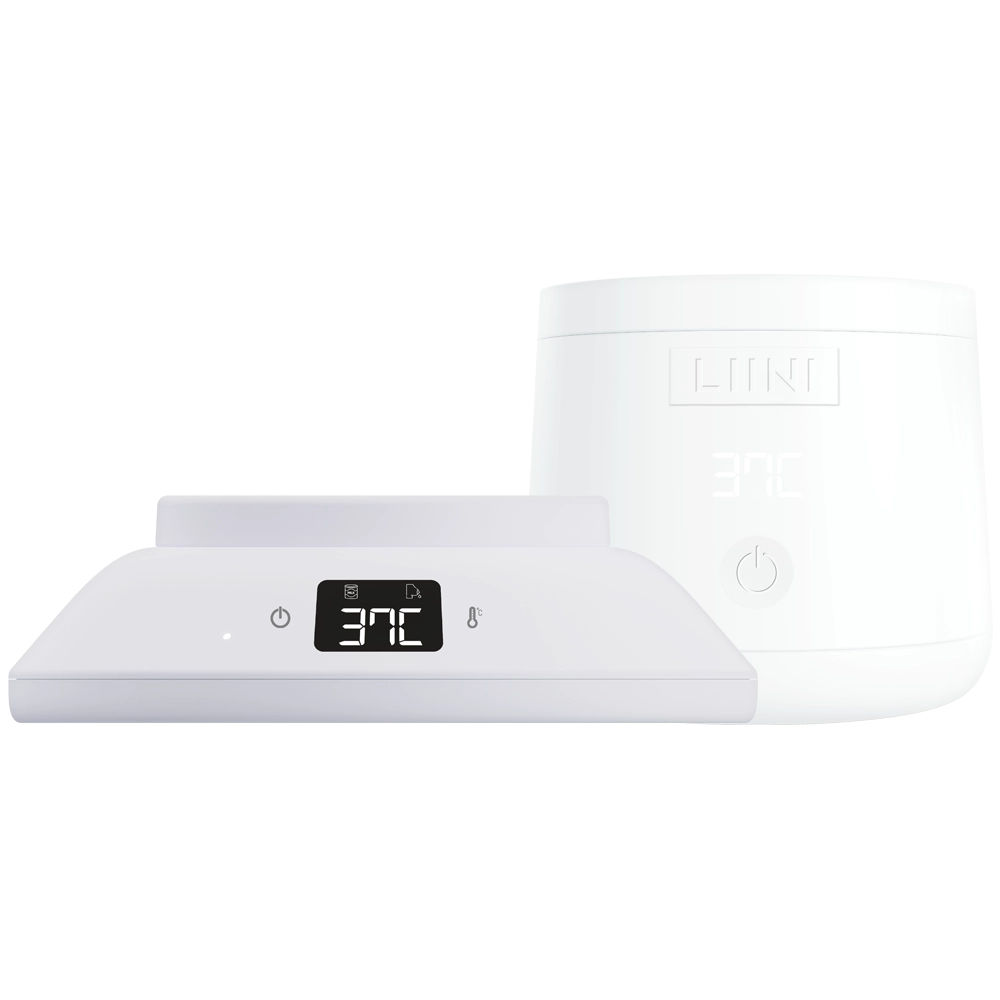 Home & 2Go Bundle
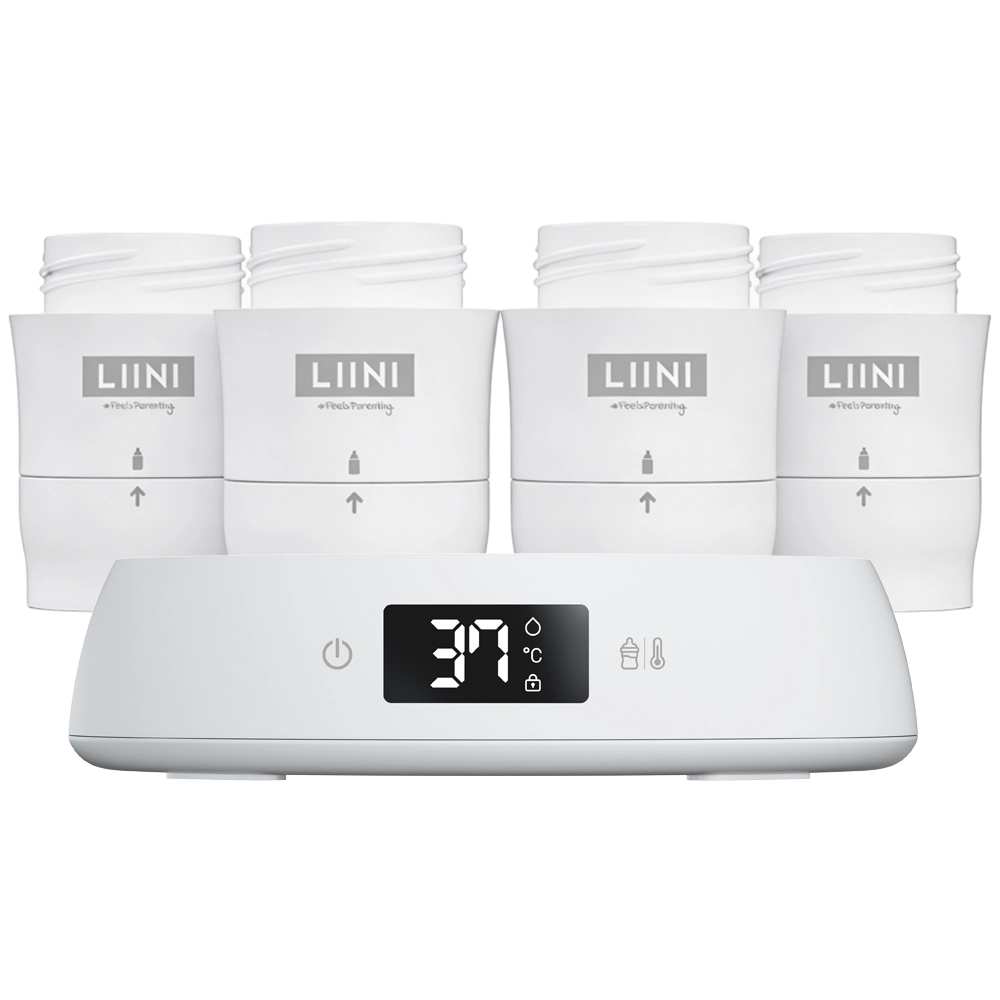 Formula Dispenser Avent
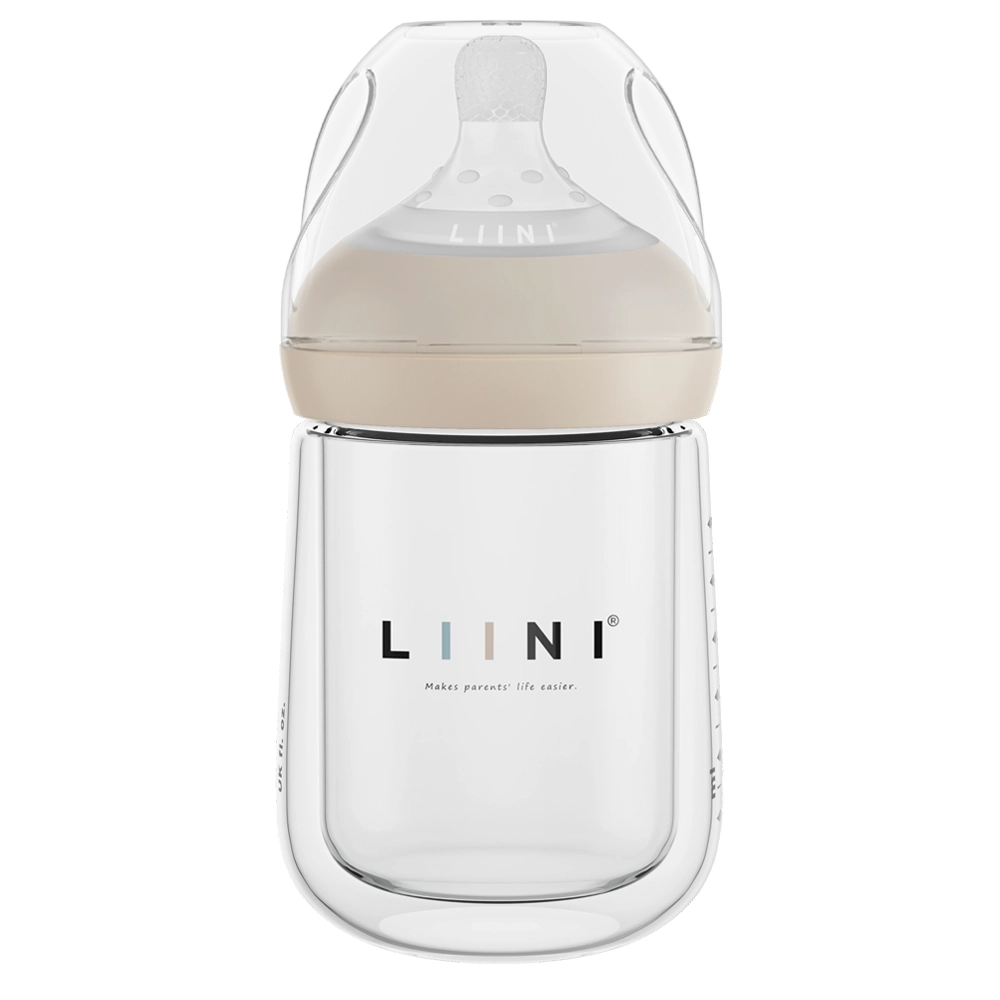
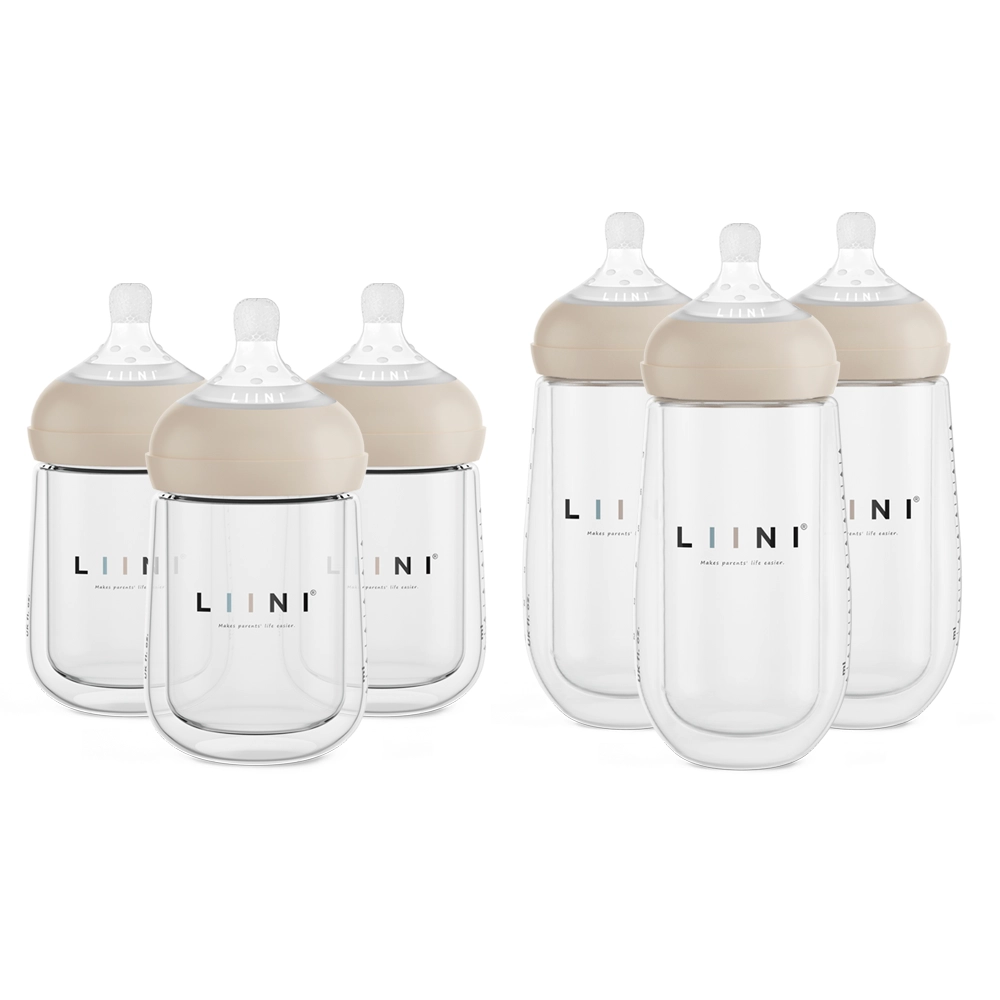 Baby Bottle Bundle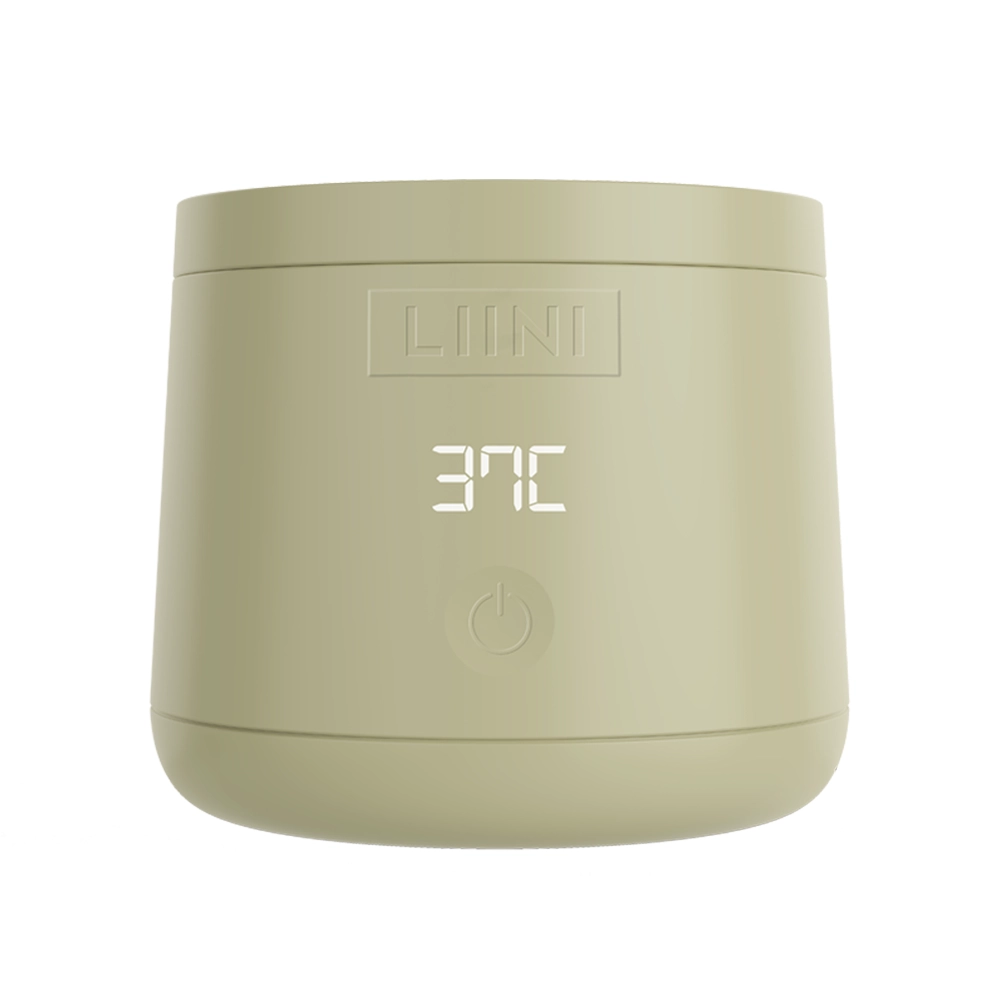










Warming Milk on the Go: A Comparison of 5 Methods
Battery-powered bottle warmer, thermos, water bath, electrical outlet, or ready-to-feed formula: Here's how to warm up breast milk and formula on the go. With a packing list to check off items.

Contents
In short
If you want to warm up milk on the go, a battery-powered bottle warmer, hot water from a thermos, or a water bath at a café are the most flexible options. Gently warm breast milk to about body temperature; never use the microwave. Don’t prepare the formula until your baby is hungry: Pack the water and powder separately and mix them together just before feeding. Always check the temperature by applying a few drops to the inside of your wrist.
A walk, a trip to the mountains, a long train ride: At some point, your baby will get hungry, and the bottle should be warm. That’s exactly how we came up with the idea for the LIINI® bottle warmer—during a walk along Lake Biel when we’d forgotten our thermos. However, a device with a rechargeable battery is just one of five options. Here you’ll find a comparison of all options, along with instructions, travel tips, and a packing list.
Breast milk or formula? What This Difference Means When You’re on the Go
When it comes to breast milk on the go, the main concerns are keeping it cool and warming it gently; with formula, the focus is on hygiene during preparation.
- The breast milk is ready; you just need to transport it and warm it up. When you’re on the go, stored breast milk should be kept in a cooler bag with an ice pack. Gently warm them to about body temperature; do not boil them. The microwave is off-limits: It heats food unevenly, creating hot spots where your baby could get burned. If you breastfeed right away, you won’t have to warm anything up when you’re out and about.
- Powdered baby formula isn’t ready until you mix the water and powder together. Germs can multiply quickly in warm, stirred milk. That’s why you should bring the water and powder separately and mix them together just before feeding. The water should be boiled or suitable for preparing infant formula. The quantity, water temperature, and order of use are listed on the package; be sure to follow the manufacturer’s instructions.
There are varying recommendations regarding how long expressed breast milk can be stored and how long prepared water remains usable. Ask your midwife, the parenting counseling service, or your pediatrician what applies to you.
A Comparison of 5 Methods: Warming Bottles on the Go
What works depends on the location and the milk.
| Method | Here’s how it works | Advantages | Disadvantages | Fits |
|---|---|---|---|---|
| Rechargeable Bottle Warmer | Screw the device onto the bottle, select the temperature, and wait for the signal | No outlet needed and no hot water required; adjustable temperature; heats up in your own bottle | The battery must be charged; more expensive than a thermos; an adapter may be needed, depending on the bottle | Out and About and While Traveling; Breast Milk and Infant Formula |
| Thermos, add the powder just before feeding | Bring hot, boiled water; keep the powder separate; mix just before feeding | Completely without electricity; affordable | Temperature hard to get right; hot water in my luggage | Field trips; especially pre-meal snacks |
| Water bath at a restaurant or café | Fill a container with hot water, place the bottle inside, and swirl it around | No separate device required; gently warms | Depends on the staff; water is often only lukewarm; takes | City, Café, Vacation; Breast Milk and Water for Infants |
| Bottle warmer with car adapter or power outlet | Plug the device into the 12-V outlet in the car or into a power outlet | No battery that can run out | Only where there is electricity; not for outdoor use | Car, Hotel, Vacation Rental |
| Ready-to-drink milk at room temperature | Open the ready-to-drink formula, pour it into a clean bottle, and let it come to room temperature | No water, no powder, no heating | more expensive; more packaging; not every baby will drink it at room temperature | Reserve, flight; pre-meal only |
Good to Know
A bottle warmer on the go without electricity? People who search for this usually mean: without a power outlet. A device with a rechargeable battery can do that. The only ways to make do without any electricity at all are to use a thermos, a double boiler, or ready-to-drink milk.
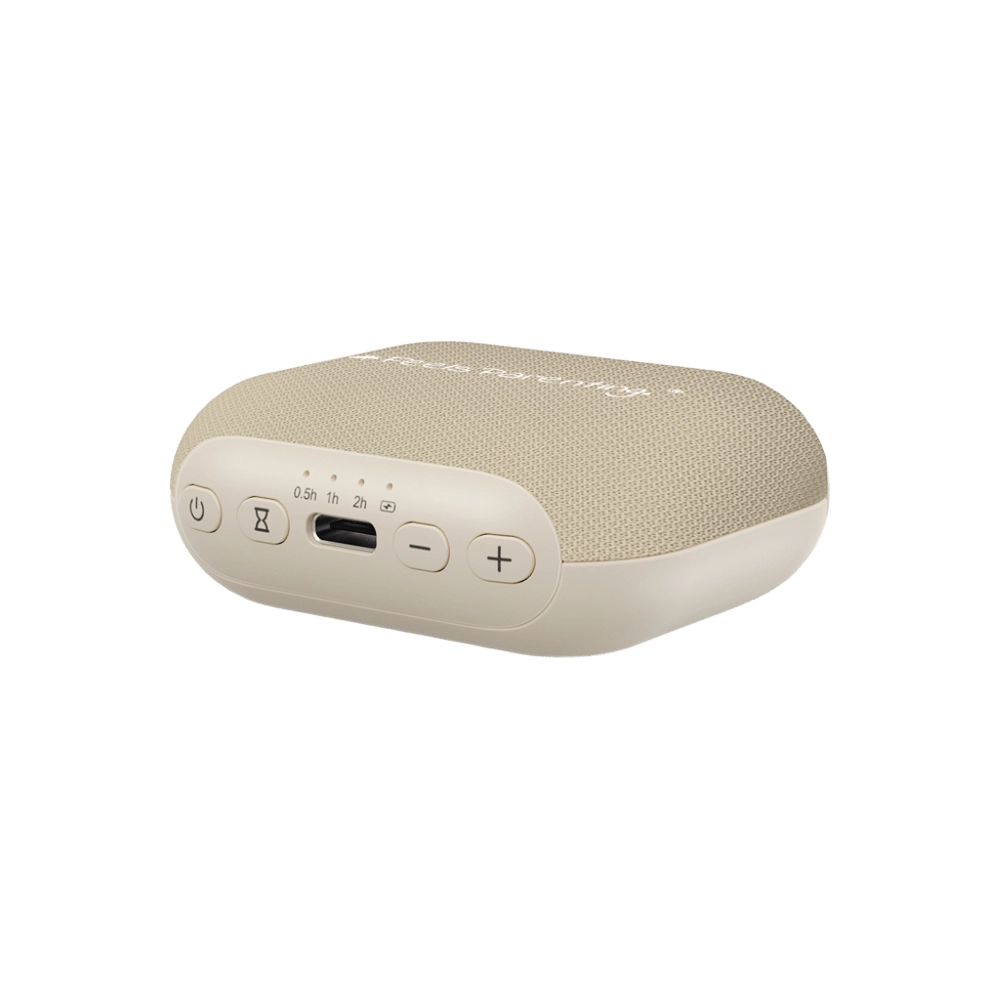
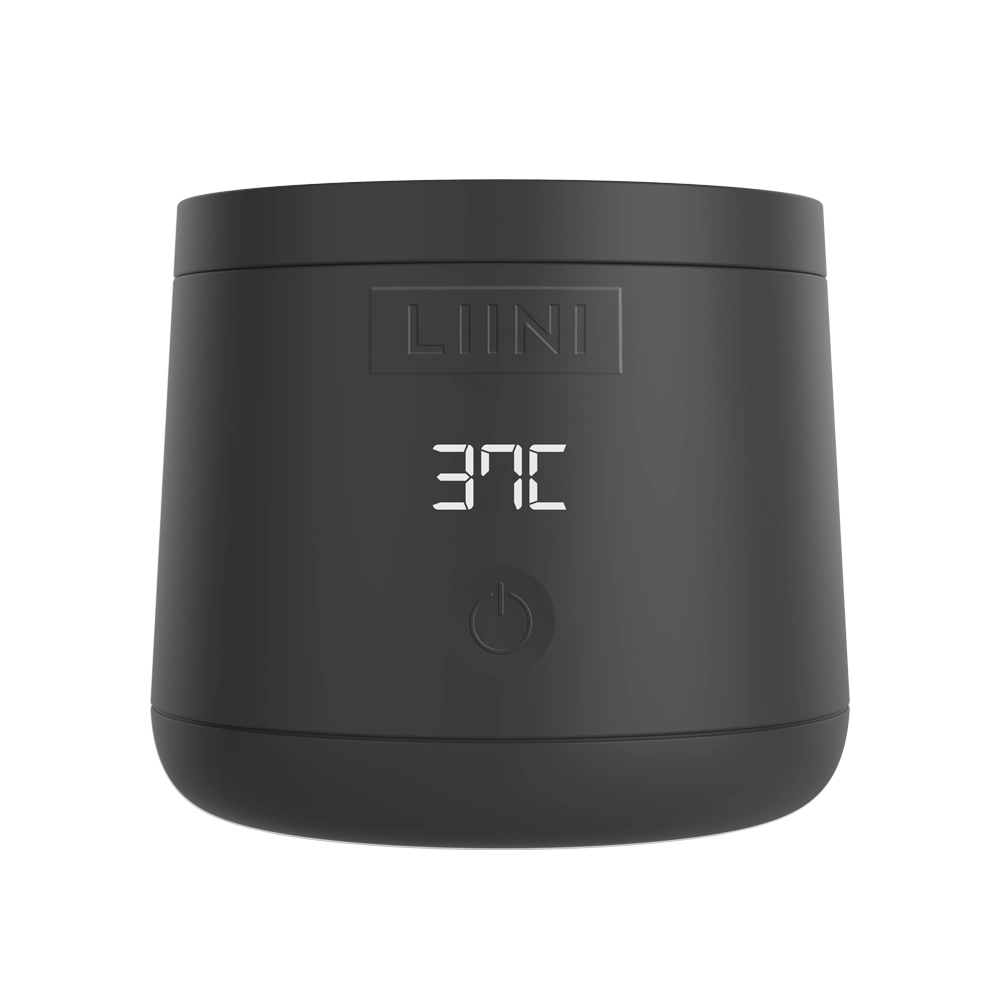
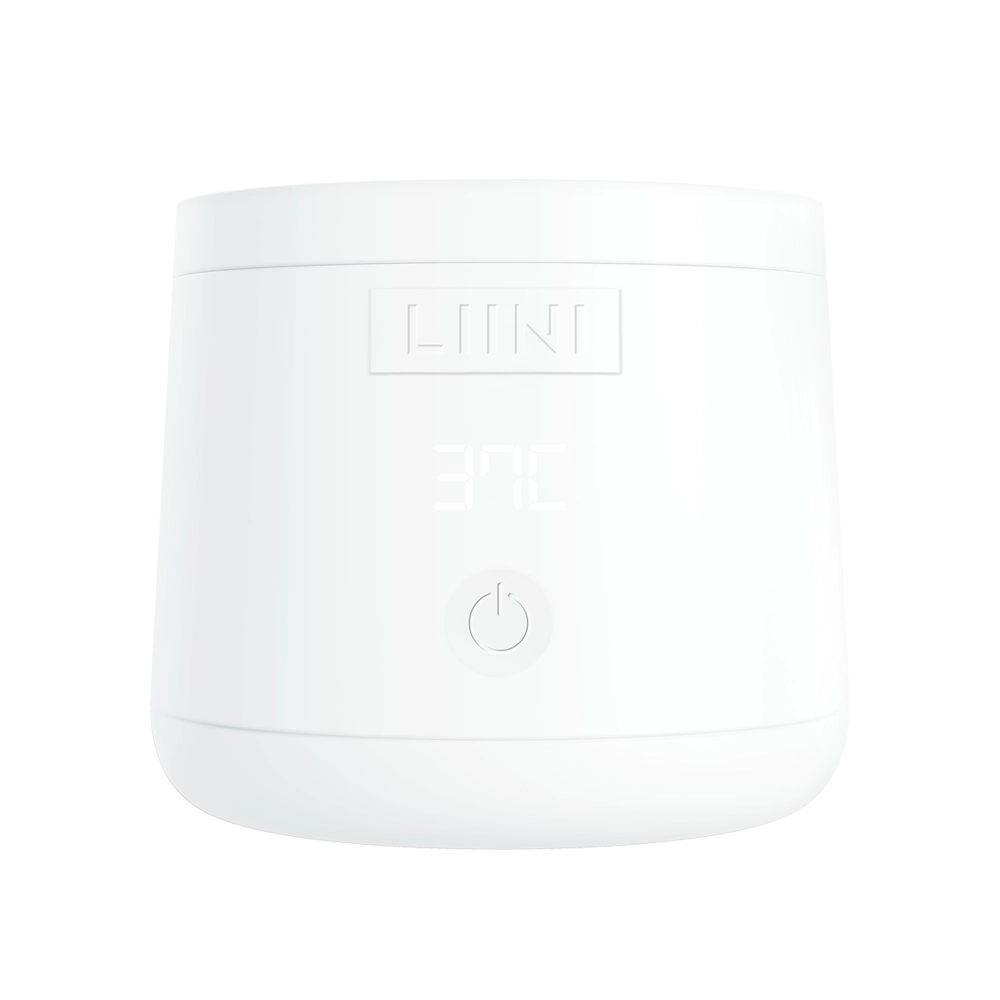
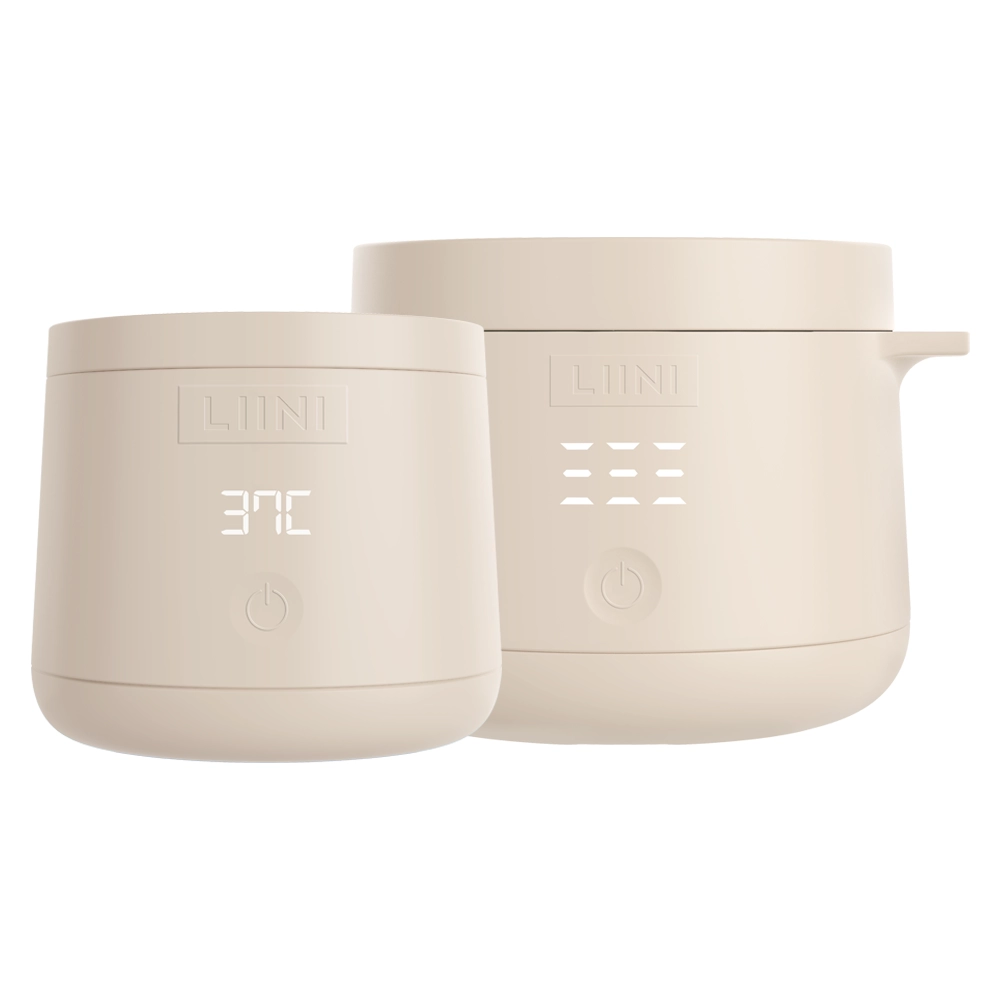
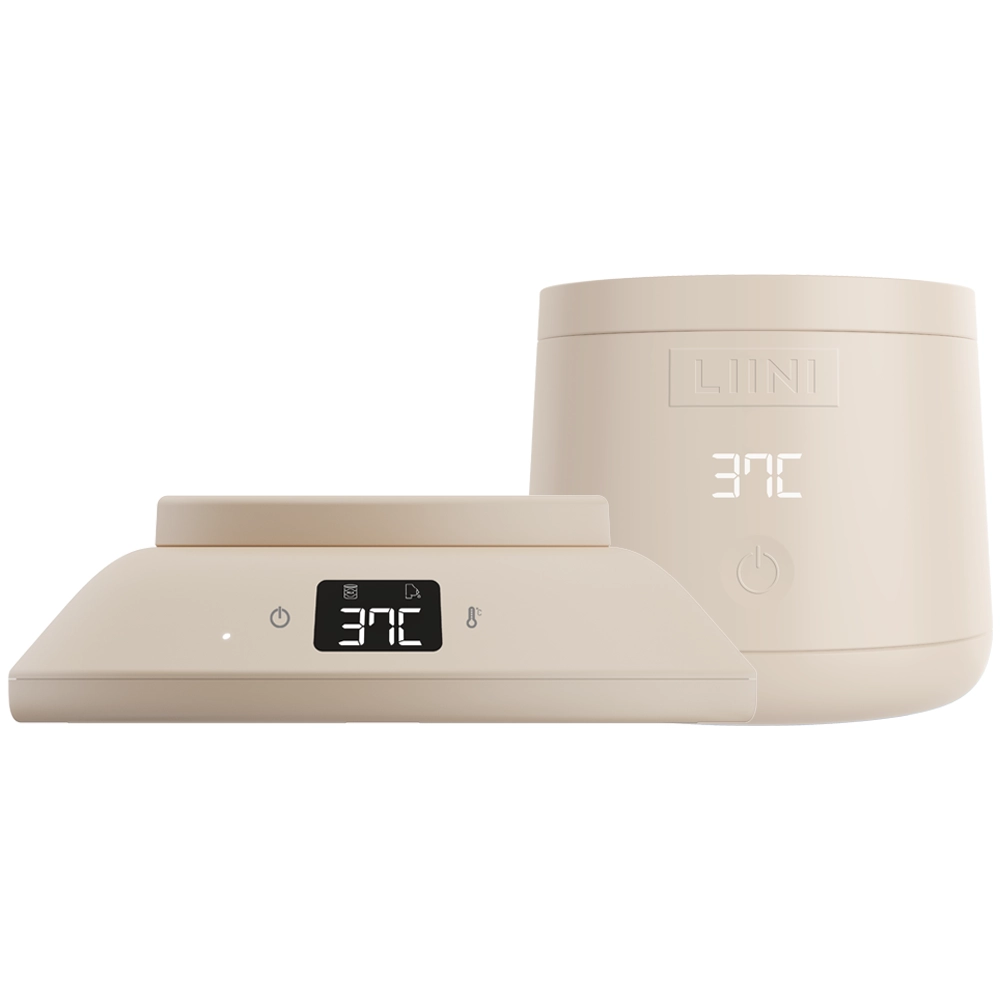
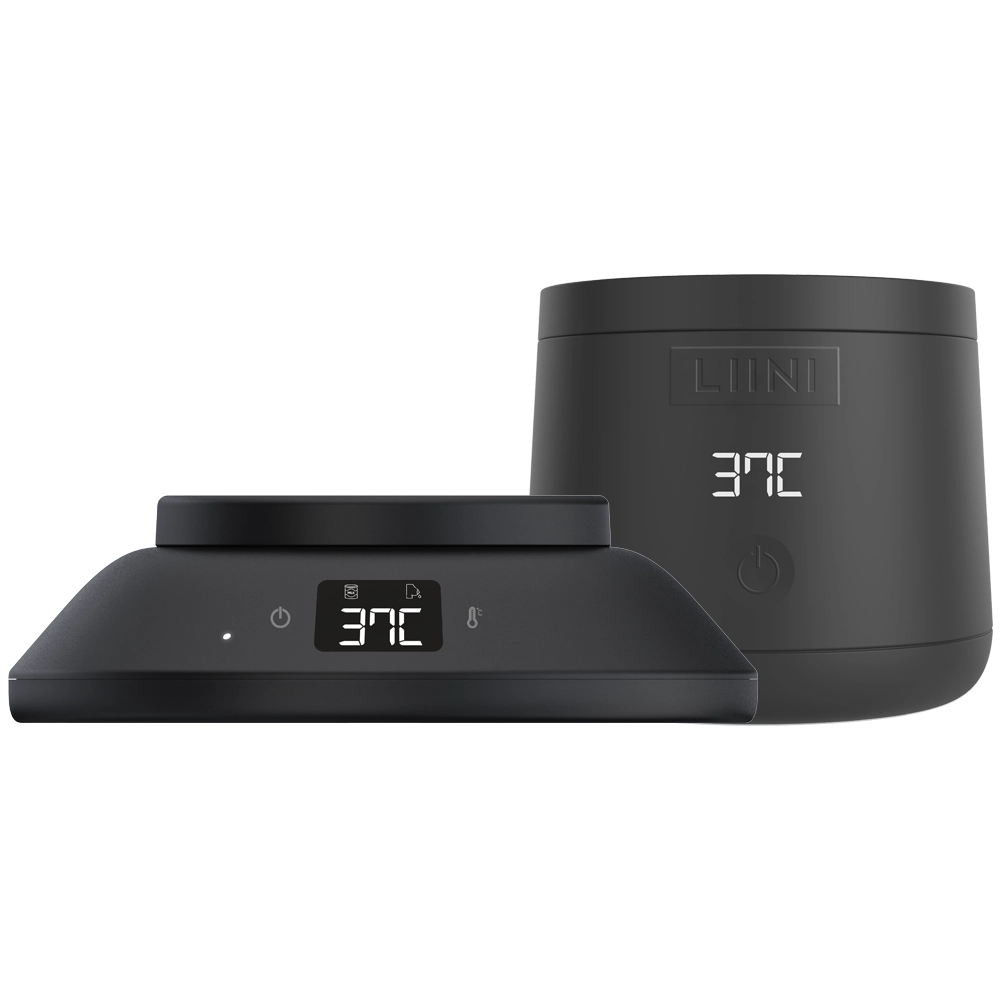
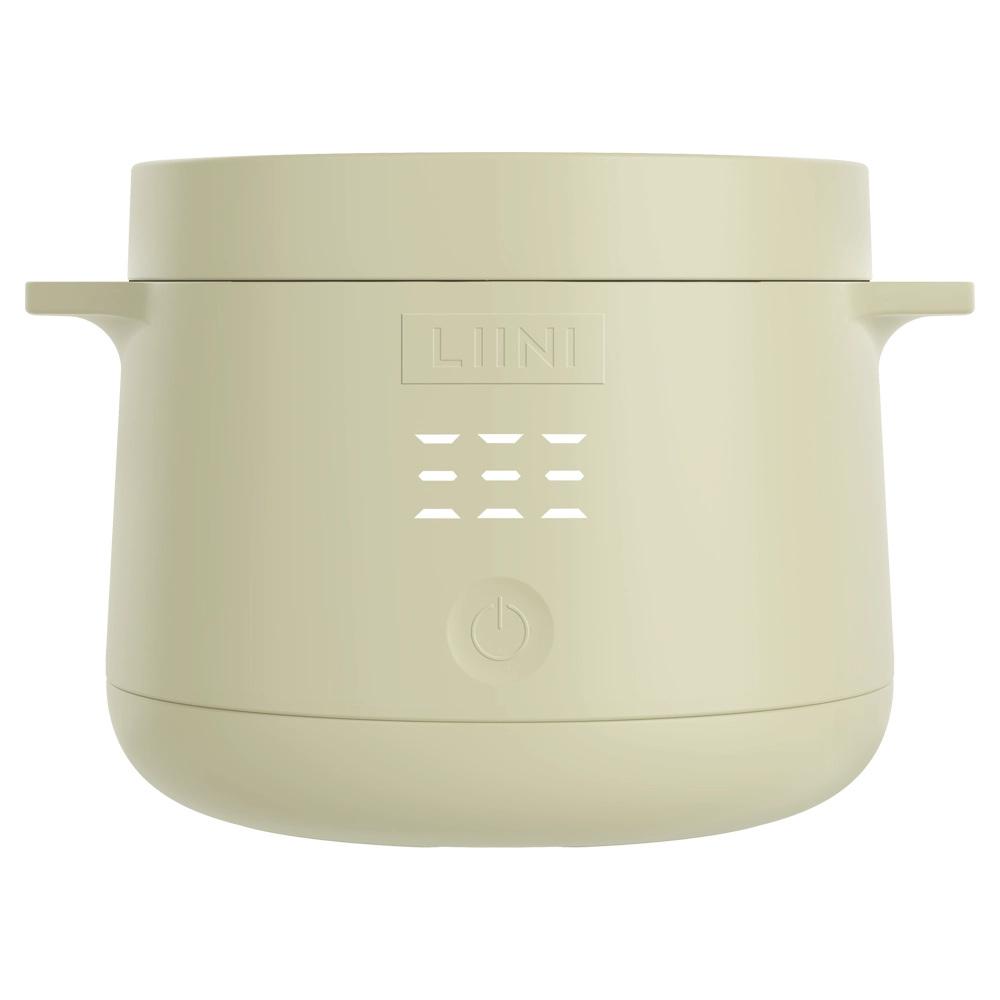
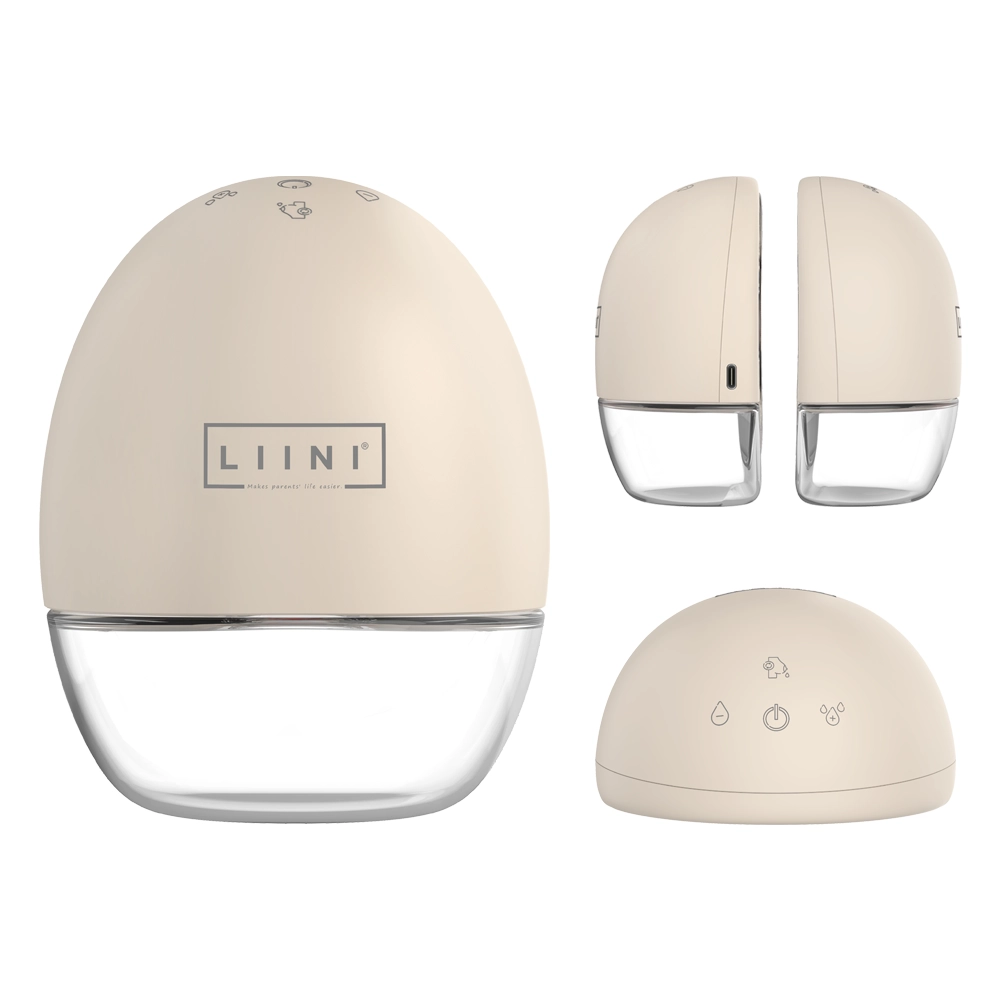
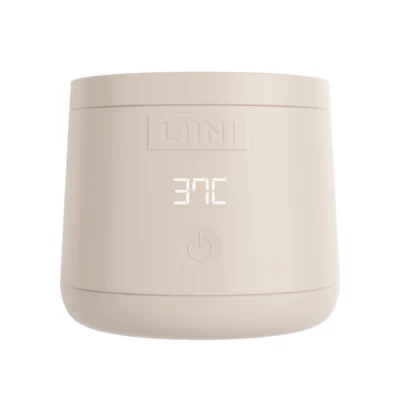
Rechargeable bottle warmer: A bottle warmer with a rechargeable battery is the most flexible solution if you’re often out and about. For example, the LIINI® 4.0 PRO has a 15,000 mAh battery, a 37 °C setting for breast milk, and settings of 40, 45, and 50 °C for formula. It is dust- and water-jet-resistant in accordance with IP66. The number of bottles you can fill on a single battery charge depends on the quantity, the starting temperature, and the weather. You can find models and differences under ” Bottle Warmers for On the Go.” If your bottle brand doesn’t fit directly onto the device, adapters are available for bottle warmers, including those for MAM, Medela, NUK, Tommee Tippee, and Twistshake.
Thermos: To prepare formula, fill the bottle partially with boiled, cooled water at home, and then add hot water from the thermos while on the go until you reach the correct amount. For breast milk, the hot water serves as a water bath.
Attention
Ready-to-drink milk does not belong in a thermos. Germs can multiply quickly in warm, mixed baby formula.
Water bath at the café: With Pre-Nahrung, you simply place the bottle of water you brought with you in the water bath and add the powder afterward.
Car and Outlet: Traditional bottle warmers with a cord work in hotels, vacation rentals, or at the grandparents’ house; some models also work with a car’s 12-volt outlet.
Formula: Try at home to see if your baby will drink ready-to-feed formula at room temperature. If you’re using a different type than usual, talk to your pediatrician or the parenting counseling service first. Use opened packages according to the manufacturer’s instructions.
Step by Step: Preparing Baby Food on the Go
Here’s how to prepare a bottle of formula on the go, whether using a battery-powered warmer, a thermos, or a water bath. You can find the basics for making it at home in the guide “Making Baby Formula: Step by Step.”
- Preparing Water: At home, fill a clean bottle with boiled water or suitable baby water and seal it tightly. Bring a separate bottle for each meal.
- Measure out the powder. Keep the powder portions dry and separate—for example, in a four-compartment milk powder dispenser or a small container.
- Warming Water: Only when your baby is hungry should you warm the milk in the rechargeable bottle warmer at the setting specified on the package, using hot water from a thermos or in a water bath.
- Add the powder: Open the bottle and pour in the powder as described on the package.
- Shake: Attach the suction tip and protective cap, then shake until no lumps are visible.
- Check the temperature. Put a few drops on the inside of your wrist. The milk should feel pleasantly lukewarm, not hot.
- If you’re about to feed them, throw away any leftovers. Rinse the bottle briefly and clean it thoroughly at home.
From LIINI

Step by Step: Warming Breast Milk on the Go
- Transport Refrigerated: Pumped breast milk should be placed in a clean, sealed bottle and put in a cooler bag with an ice pack.
- Do not remove it until just before feeding.
- Gently warm the bottle in the cordless bottle warmer on the breast milk setting—which is 37 °C on the LIINI® 4.0 PRO—or in a water bath with warm, not boiling, water. No microwave.
- Swirl the pan. The fat will rise to the top. Gently swirl the bottle so that it mixes back in.
- Check the temperature. Even a device with a fixed temperature setting is no substitute for testing on your wrist. For the 4.0 PRO, LIINI specifies tolerances of up to ±2.5 °C, depending on the bottle material, the environment, and the milk. The guide “How Warm Should Baby Milk Be ?” explains how warm the milk should be.
- Do not save leftovers. Do not put warmed breast milk back in the refrigerator, and do not reheat it a second time.
Tip
Start warming the food before your baby gets really hungry. Milk from the cooler takes longer to warm up than water at room temperature.
In a car, on a train, on a plane—what to keep in mind
In the car: Feed your pet during a break, not while driving. Keep the cooler out of the sun, and store a thermos in a way that prevents it from tipping over and keeps it out of your child’s reach. A battery-powered device or a heater that plugs into a 12-volt outlet frees you from having to stop at rest areas.
On the train: Hot water is rarely available, and even the onboard bistro doesn’t always have it on every route. So be sure to bring a battery-powered warmer, a thermos, or ready-to-drink milk.
On the plane: Milk and liquid baby food for your baby are generally allowed through security, as long as you need them for the trip. You demonstrate them separately. The rules vary depending on the airport and airline, so be sure to check with both before your flight. Devices with rechargeable batteries and power banks should generally be packed in your carry-on luggage. According to LIINI®, the 4.0 PRO is permitted as carry-on luggage on all flights; a printable IATA confirmation is available. Check with the airline to see if you’re allowed to use it on board.
Packing List: Bottles and Feeding Bottles for On the Go
- clean bottles, one more than planned
- Suction cup with protective cap
- boiled water or baby water, one bottle per meal
- Powdered milk, pre-portioned
- Ready-to-drink pre-food as a reserve
- Pumped breast milk in a cooler bag with an ice pack
- Heat source: a charged rechargeable bottle warmer with a compatible adapter, or a thermos filled with hot water
- Charging cable or power bank for long days
- Disinfectant wipes for baby products, such as the heating plate of a bottle warmer
- Burp cloth (Nuscheli), bib, wet wipes
- Bag for Used Bottles
- Is your child already eating baby food? Baby food jars or homemade baby food, a spoon, and possibly a baby food warmer
Frequently Asked Questions
How can I warm up milk on the go without electricity?
You can manage just fine without electricity by using hot water from a thermos, a water bath at a restaurant or café, or ready-to-drink formula, which many babies drink at room temperature. A bottle warmer for on the go works without a power outlet—it uses a rechargeable battery to warm the milk right in the bottle.
Can I mix the formula at home and keep it warm in a thermos?
Better not. Germs can multiply quickly in warm, stirred milk. Bring the water and powder separately, and don’t mix them until your baby is ready to drink.
Can I warm breast milk in the microwave?
No. The microwave heats unevenly, creating hot spots where your baby could get burned, even if the bottle feels only lukewarm on the outside. Gently warm breast milk in a water bath or in a bottle warmer set to the breast milk setting.
Does my baby’s milk even need to be warm?
Not necessarily. Many babies drink breast milk or ready-to-feed formula at room temperature, while others prefer it at body temperature. Try out at home what your baby will eat. For powdered infant formula, follow the water temperature instructions on the package.
How long can breast milk be left unrefrigerated when you’re out and about?
The recommendations vary and depend on the ambient temperature. Breastfeeding Promotion Switzerland states that freshly pumped breast milk can be stored for three to four hours at 16 to 29 °C, while the German National Breastfeeding Commission states that it can be stored for no more than four hours at 25 to 32 °C. When stored in a cooler bag with ice packs, it will stay fresh at 15 °C or colder for up to 24 hours, as long as the cold chain is not broken. It’s best to discuss what applies to you with your midwife, a lactation consultant, or a parenting support service.
What kind of water should I use for my baby’s bottle when I’m on the go?
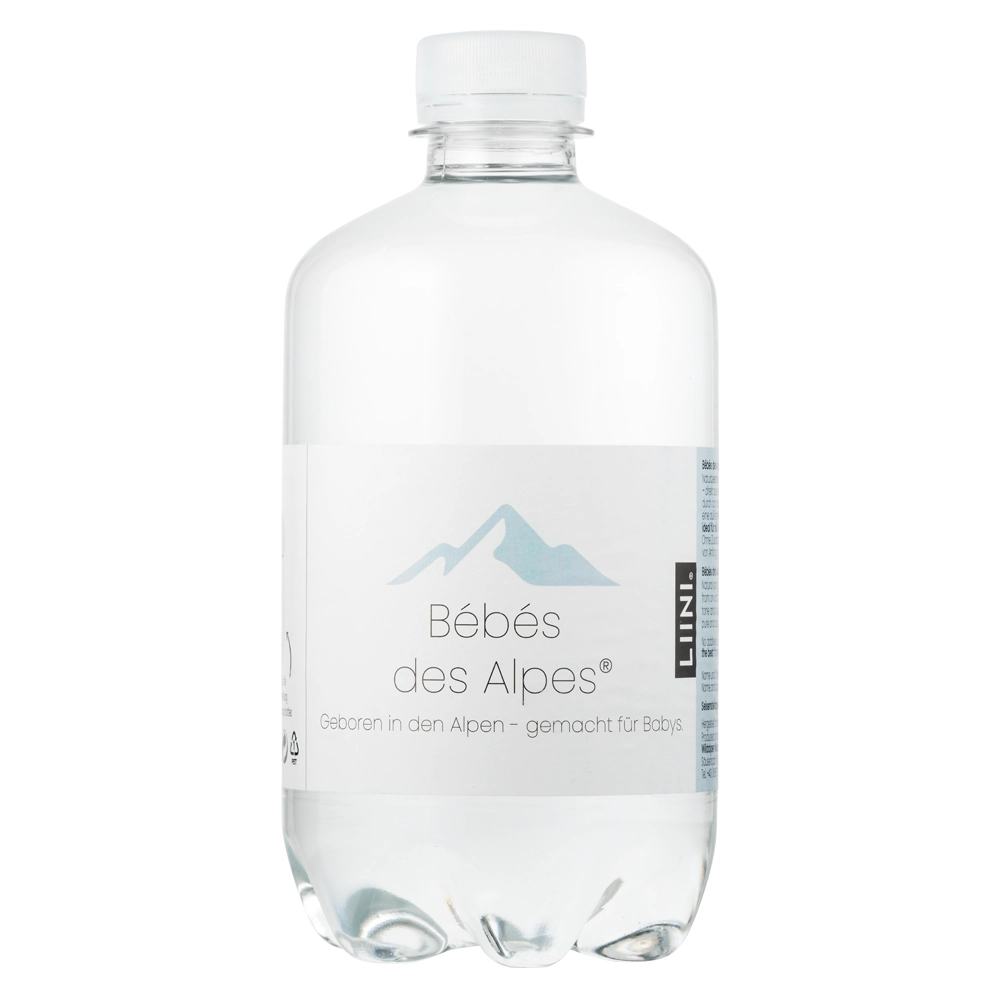
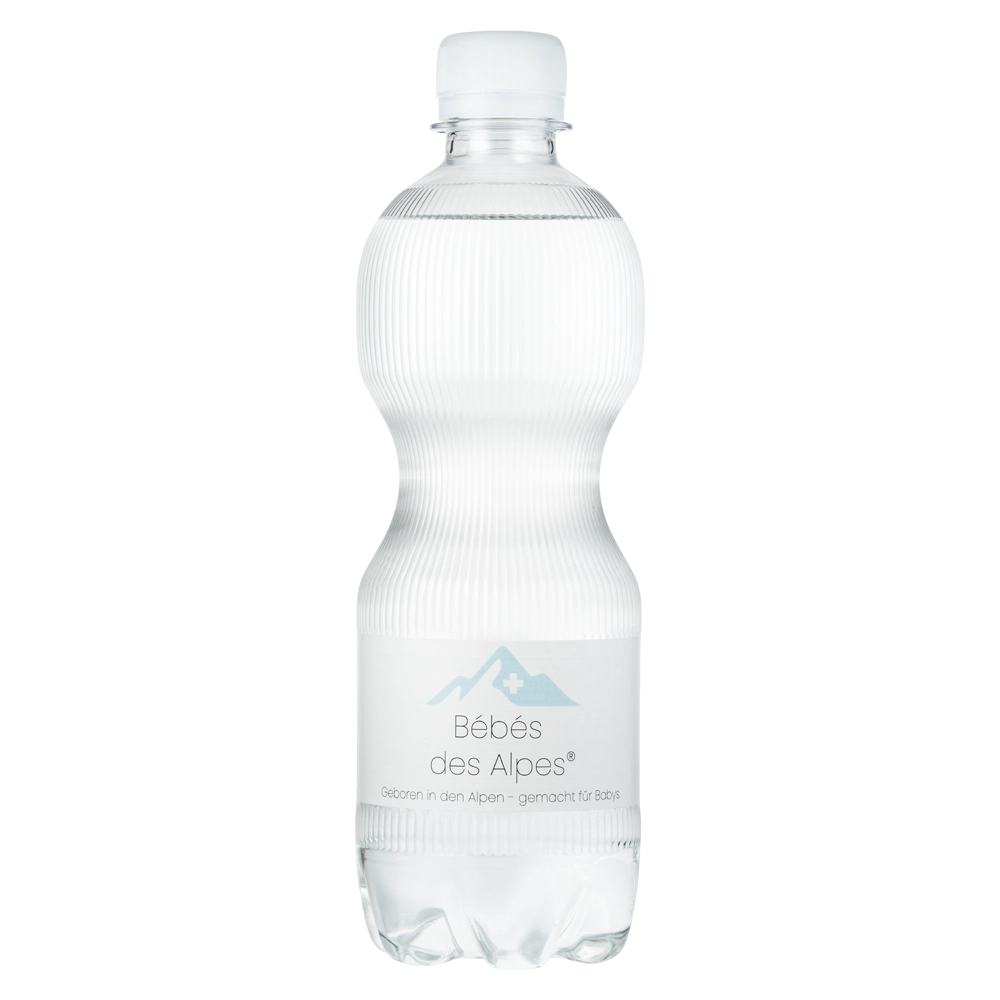
Use boiled tap water or water that is suitable for preparing infant formula. You should only drink mineral water if the label indicates that it is suitable for consumption. Whether you need to boil your tap water depends on where you live; if in doubt, ask the parenting counseling service or your pediatrician.
How long does a battery-powered bottle warmer take?
That depends on the starting temperature, the amount, the bottle material, and the surroundings: Milk from a cooler takes longer than water at room temperature. According to the manufacturer, it takes just a few minutes with the LIINI® 4.0 PRO; a beep signals when the desired temperature has been reached.
Can I bring baby formula and a bottle warmer on the plane?
Generally speaking, yes. Milk and liquid baby food for your baby are usually allowed through security, as long as you need them for the trip. Check with the airport and the airline beforehand. According to LIINI, you may carry the LIINI® 4.0 PRO in your carry-on luggage on all flights.
Sources
- Storing Breast Milk, Breastfeeding Promotion Switzerland
- Fact Sheet 3.1: Thawing and Warming Breast Milk, Parenting Counseling Service of the Canton of Bern
- Extraction, Storage, and Handling of Pumped Breast Milk for a Healthy Child at Home, National Breastfeeding Commission at the Max Rubner Institute
- Handbook “Eating and Drinking in the First Year of Life,” Swiss Society for Nutrition (SGE)
- Information Sheet on Preparing Infant Formula, Inselspital Bern
- Hygiene When Bottle-Feeding, kindergesundheit-info.de, Federal Institute for Public Health
- Preparing Infant Formula, kindergesundheit-info.de, Federal Institute for Public Health
- Traveling with Children at the Airport, SWISS