
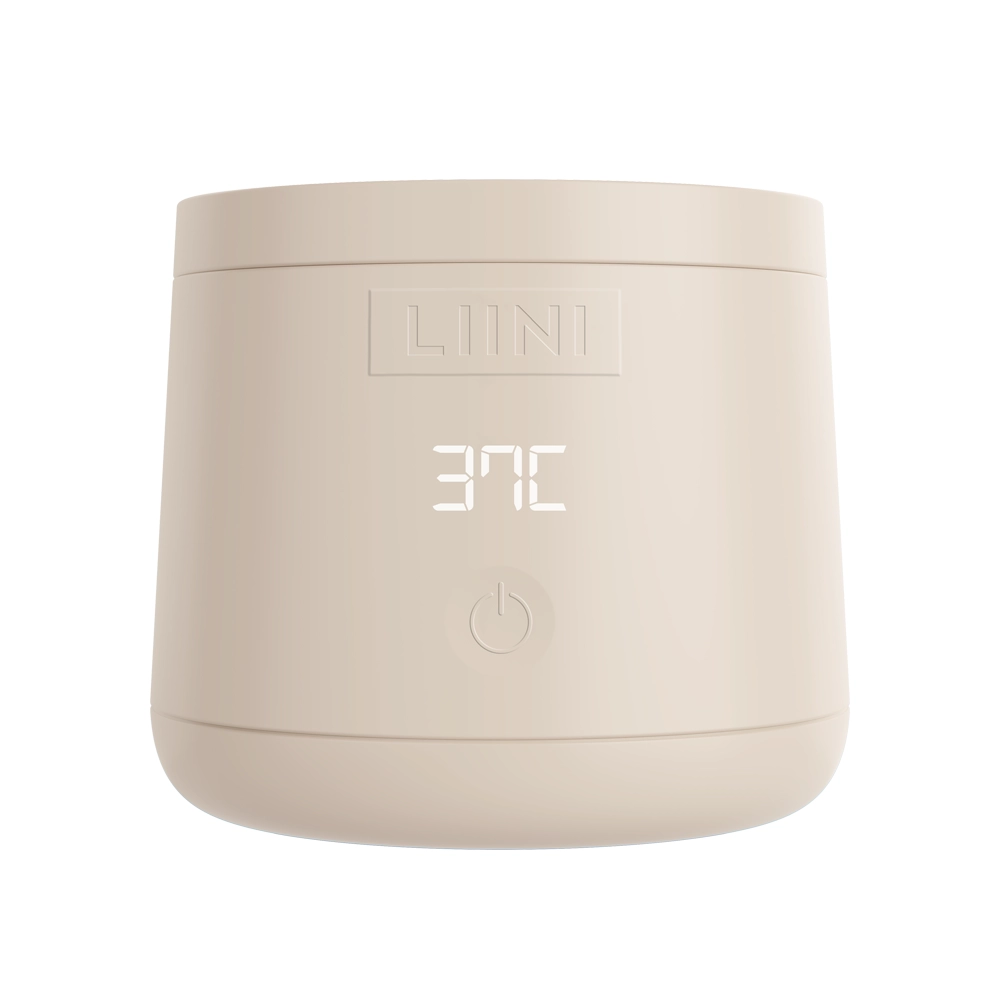
 4.0 PRObattery · on the go
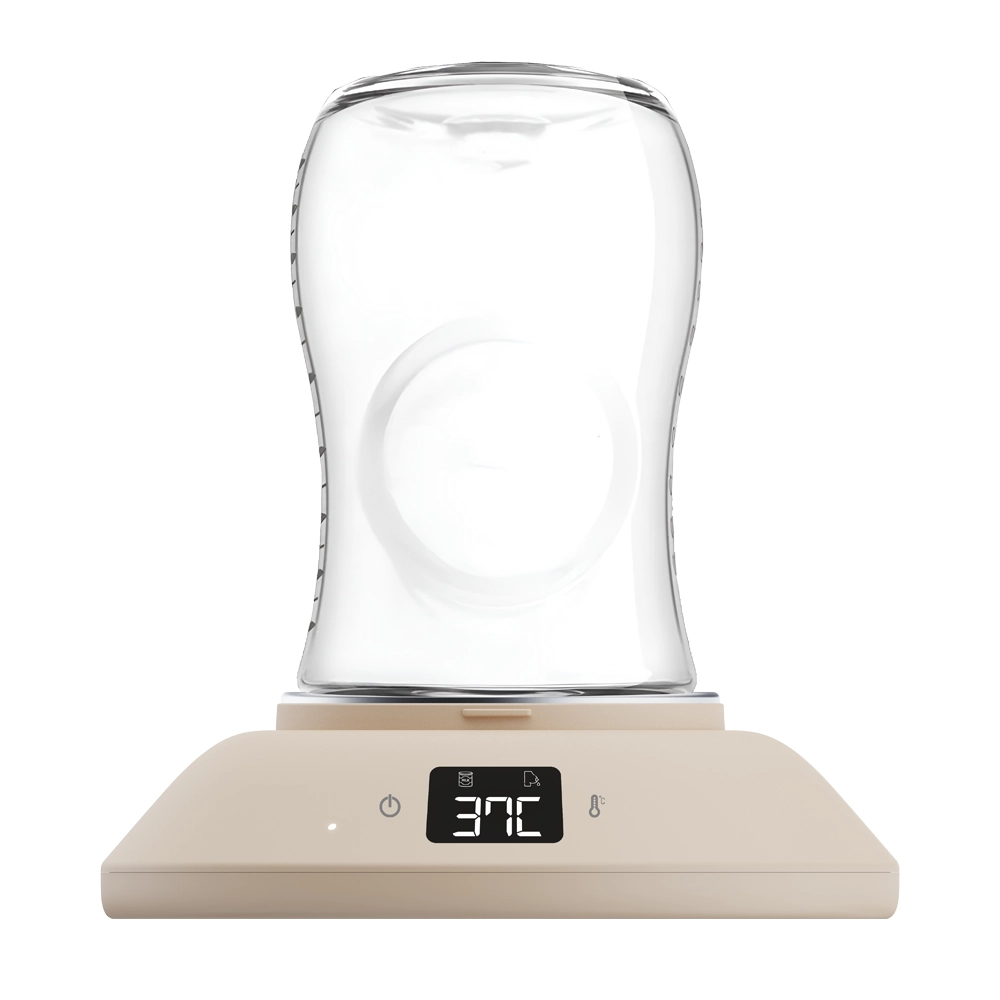 Home 230Vfor home
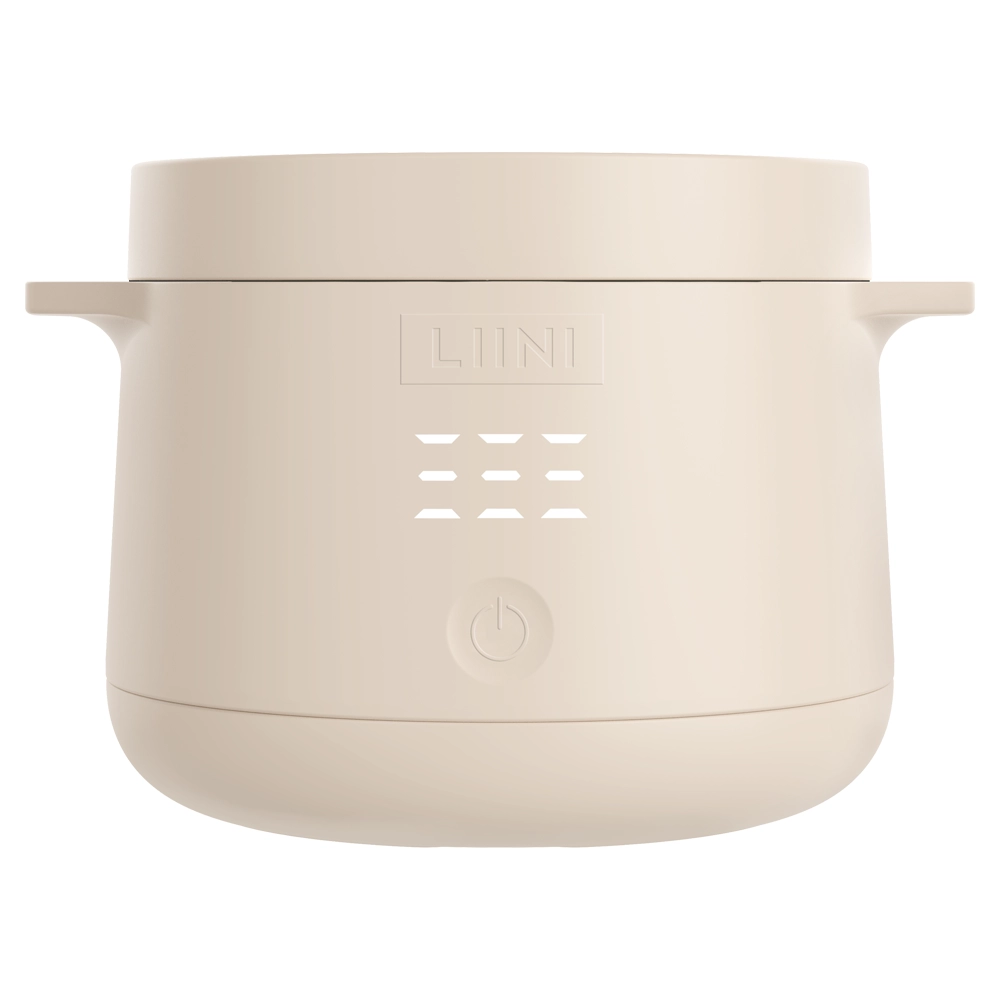 Baby food warmersfrom 6 months
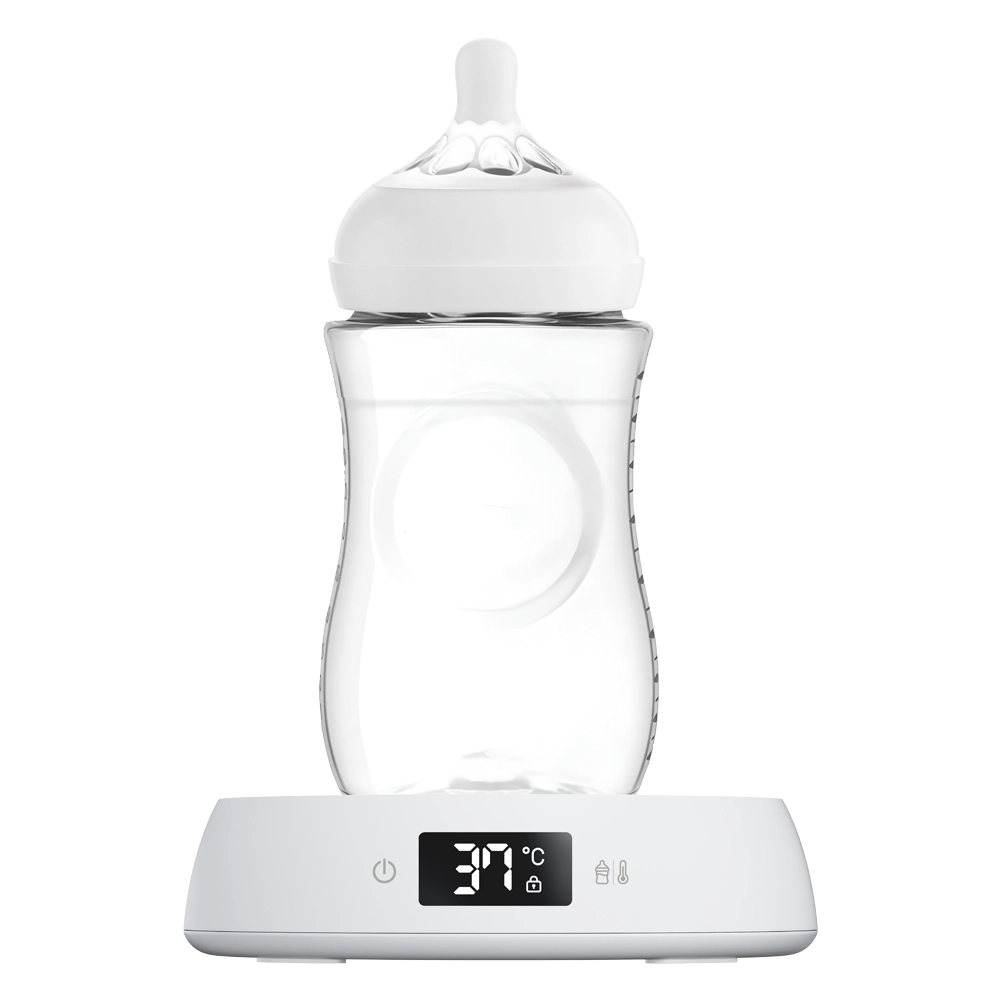 Night Stationfor the night





 Cleaning Wipes Monthly Pack
 Home & 2Go Bundle
 Formula Dispenser Avent
 Baby Bottle Bundle


















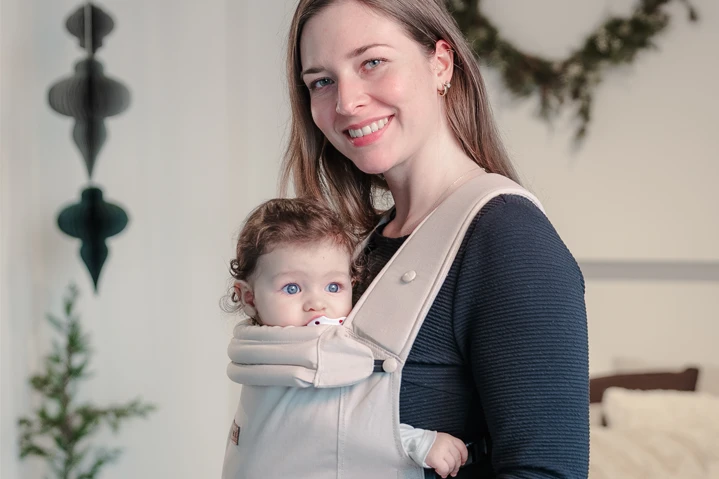
When Can You Start Using a Baby Carrier? Carrying Newborns Safely
From birth, if the carrier fits: Here's how to carry your newborn in the M-position while keeping their airways clear. Includes a TICKS checklist to work through.
Contents
In short
You can carry your baby from birth if the baby carrier is approved for your baby’s weight and can be adjusted to fit small enough. Three things are important: The legs form an “M,” the head and neck are supported, and the mouth and nose remain clear. You can check this every time you put your baby in the carrier using the TICKS rule. In the first few months, your baby will face you, not forward. If your baby was born prematurely, is very light, or has breathing problems, check with your pediatrician first.
When can you start using a baby carrier? Many parents ask themselves this question even before the baby is born. The good news: You can carry a newborn right from the start, as long as the carrier and your posture are correct. Here, you’ll learn what’s important when choosing a baby carrier for newborns, how to keep their airways clear, and what to keep in mind after a C-section.
When can you start using a baby carrier? From birth, as long as the carrier fits
When you can start using a baby carrier depends less on your baby’s age than on the carrier itself: A baby carrier for use from birth must be suitable for your baby’s weight. Each carrier comes with the manufacturer’s specifications. The Professional Association of Pediatricians (BVKJ) advises checking the user manual to see what weight range the carrier is suitable for. According to the BVKJ, carriers without an adjustable waist strap or a newborn insert should only be used for children who can sit up on their own.
According to the manufacturer, the LIINI® baby carrier is suitable from birth, for babies weighing 3.5 kg up to a maximum of 15 kg—which is about 2.5 years. For newborns weighing less than 4 kg, roll the carrying strap twice. The headrest is adjustable. According to LIINI, the carrier complies with the EN 71-3 and EN 13209-2:2005 standards. EN 13209-2 is the European safety standard for soft baby carriers.
Here’s what to look for in a baby carrier for newborns, such as when you’re choosing one for your initial baby gear:
| Criterion | What to look for |
|---|---|
| Weight | Your baby weighs at least as much as the manufacturer specifies. |
| Strap | Can be adjusted to a narrow width and extends from the back of one knee to the back of the other. |
| Backrest | Supports the back all the way up to the neck without forcing it to be straight. |
| Headrest | Supports the head while leaving the face uncovered. |
| Standard | EN 13209-2 for soft baby carriers |
| Adjustment | Also fits the second person who carries the baby. |
Attention
Babies under four months old, premature babies, low-birth-weight babies, and sick babies are at a higher risk of suffocation when placed in baby carriers and wraps. This is according to the Australian Raising Children Network. The American Academy of Pediatrics (AAP) advises against placing premature babies and babies with breathing problems in upright baby carriers. In these cases, consult your pediatrician or midwife before using a carrier for the first time.
The M-Position: How to Hold Your Newborn Correctly
Experts refer to this as the squatting-spread position; in everyday terms, it’s called the M-position. Your baby sits facing you, belly to belly. Their legs are bent and slightly spread apart. When viewed from behind, their knees and bottom form an M.
- Knees higher than the buttocks: The knees are slightly higher than the buttocks. According to the German Society for Orthopedics and Trauma Surgery (DGOU), they are bent to about the level of the navel.
- Thighs supported: The fabric extends from the back of one knee to the back of the other. This way, the thighs are supported up to the knees, as described by the International Hip Dysplasia Institute.
- Back slightly rounded: The torso and head need support so that the spine remains in a slightly rounded position (BVKJ). Do not straighten your back.
- Head supported, face free: For newborns, the headrest supports the head and neck. The LIINI instructions clearly state: The head must be free and able to move at all times. The nose and mouth must never be pressed flat against your body.
Why this is important: In the squat-and-spread position, the femoral heads maintain good contact with the acetabulum. According to the DGOU, when the thighs are extended, stress is placed on the acetabulum at its most vulnerable point.
Tip
Sit your baby’s bottom low in the carrier and gently tilt your baby’s pelvis toward you. Then the back will curve almost on its own, and the knees will rise.
Keep the airways clear: the TICKS rule to follow
The greatest risk when carrying a child is obstructed breathing. According to the British Lullaby Trust, this happens when the chin is resting on the chest or the mouth and nose are covered by skin or clothing. A simple mnemonic is the TICKS rule from British baby carrier manufacturers and retailers, which is also recommended by the Lullaby Trust.
Go through the five points every time you put the baby in the carrier:
- T – Tight: The carrier fits snugly against you. Your baby doesn’t slump.
- I – In view: You can see your baby’s face just by looking down.
- C – Close enough to kiss: If you tilt your head, you can kiss the top of their head.
- K – Keep chin off chest: Thechin isn’t resting on thechest. The mouth and nose are clear.
- S – Supported back: The baby’s belly and chest are pressed against you, and theback issupported in its natural shape.
Attention
According to the Lullaby Trust, breastfeeding or bottle-feeding in a baby carrier while you’re walking around and doing other things isn’t safe, especially for babies under four months old. Take your baby out of the carrier to feed. If your baby does end up feeding in the carrier, make sure to return them to an upright position with their face uncovered afterward.
If you need to pick something up, bend your knees instead of bending over (AAP). And be mindful of the heat: Babies can’t regulate their body temperature very well yet, and your body heat adds to it (BVKJ). So dress your baby a little more lightly when using a baby carrier.
Putting a Newborn in a Baby Carrier: Step by Step
The exact order is outlined in your carrier’s instructions. Here’s how it works for most buckled baby carriers:
- Adjusting the Carrier: Before using it for the first time, adjust the shoulder straps and back panel to fit your baby’s size. With the LIINI® baby carrier, roll the shoulder strap twice for babies weighing less than 4 kg.
- Fasten the hip belt. Position the hip belt fairly high, roughly at waist level. This way, your baby will be close enough for kisses later on.
- Pick up your baby: Hold your baby upright against your chest, belly to belly. Use one hand to support their head and neck.
- Position the legs in an “M” shape. Place the baby’s bottom deep into the fabric. The knees should be higher than the bottom, and the fabric should extend from the back of one knee to the back of the other.
- Putting on the Back Panel and Straps Pull the back panel up and fasten the straps. Keep one hand on your baby at all times.
- Adjust the headrest: The headrest supports the head and neck. The face remains uncovered and is turned slightly to the side.
- Tighten and check: Pull all straps evenly tight and go through the TICKS checklist.
Tip
The first few times, when your baby is full and content, practice this together in front of a mirror.
It’s perfectly normal to feel unsure at first. If you have a LIINI® baby carrier, our experts will check your fit during a free carrying check. Just send us your order number and three photos: one from the front, one from the side down to your hips, and one from the back with your hair tied back. Babywearing classes are also offered by babywearing consultants and, in some cantons, by maternal and paternal counseling services—for example, in the Canton of Bern.
From LIINI
 LIINI® Baby carrier beigeOriginal price was: 129.99€.103.99€Current price is: 103.99€.incl. VATView product
 LIINI® Baby carrier oliveOriginal price was: 129.99€.103.99€Current price is: 103.99€.incl. VATView product
 LIINI® Baby carrier blackOriginal price was: 129.99€.103.99€Current price is: 103.99€.incl. VATView product
How long at a time, and when can you start carrying your baby facing forward?
How long can you carry your newborn?
The expert organizations do not specify a fixed maximum duration. Midwife Martina Höfel writes that there is no limit for a properly tied baby sling. With baby carriers, it depends on how the child is positioned inside. For newborns, breastfeeding, bottle-feeding, and diaper changes naturally interrupt the carrying process anyway.
Pay attention to your baby and yourself when you’re out and about:
- If your baby slumps or is sitting crooked, readjust the carrier.
- If they’re sweating heavily, are restless, or are crying, take them out.
- If they fall asleep, check their chin and face especially often.
Wait to face forward
During the first few months, you’ll carry your baby facing you. The International Hip Dysplasia Institute considers this to be better for the hips, especially during the first six months of life. The Austrian Midwives’ Association recommends carrying small babies belly-to-belly because looking forward can overwhelm them with stimuli. The instructions will tell you whether your carrier allows for a forward-facing position later on and, if so, when.
Carrying After a C-Section and During the Postpartum Period
Pregnancy and childbirth place a heavy strain on the pelvic floor and abdominal muscles, according to the Austrian health portal. After a C-section or significant birth injuries, a longer period of rest may be necessary. According to familienplanung.de, your midwife or physical therapist can show you how to pick up and carry your baby in a way that’s gentle on your pelvic floor.
- First, the second person carries the baby: The Austrian Midwives’ Association recommends that, during the postpartum period, the father carry the baby first to give the mother a break.
- Be gentle with the scar: If the hip belt presses on your C-section scar, ask your midwife how you can adjust the carrier.
- Listen to your body: If you feel pain or pressure in your pelvis, stop and talk to your midwife.
Good to Know
When to start carrying your baby after birth and for how long is very individual. Ask your midwife, the parenting counseling service, or your doctor, especially if you’ve had a C-section.

Frequently Asked Questions
At what age can a baby start using a baby carrier?
From birth, provided the carrier is approved for your baby’s weight and can be adjusted to be small enough. According to the manufacturer, the LIINI® baby carrier is suitable for babies weighing 3.5 kg or more. According to the BVKJ, you should only use a carrier without an adjustable support panel or newborn insert once your child can sit up on their own. For premature babies or babies with breathing problems, consult your pediatrician first.
How long can I carry my newborn at a time?
There’s no set maximum time limit. The key is that your baby is sitting properly and breathing freely. You’ll take them out regularly anyway for feedings and diaper changes. If they seem restless or are sweating, take a break.
When can my baby start facing forward in the carrier?
Not until later. According to the International Hip Dysplasia Institute, facing you is better for your baby’s hips, especially during the first six months. The instructions will tell you whether your carrier allows a forward-facing position and, if so, when.
Can my baby sleep in the carrier?
Many babies fall asleep in the carrier. When this happens, check especially often to make sure their chin is free and their mouth and nose aren’t covered. For longer periods of sleep, put your baby in their crib.
Is carrying my baby good for their hips?
Yes, if done in the correct position. According to the DGOU, the spread-squat position while carrying promotes healthy hip development in babies. It’s important to keep the legs bent, the thighs supported, and the back slightly rounded. If your baby has a hip condition, discuss carrying them with your pediatrician.
Baby carrier or wrap: Which is better for newborns?
Both options can work from birth, as long as your baby is positioned correctly. A wrap can be adjusted very precisely, but it takes some practice. A baby carrier is quicker to put on. You can find a detailed comparison in the guide “Baby Carrier or Wrap?”
Sources
- Baby Slings and Carriers, The Lullaby Trust
- Safe Babywearing: Choosing and Using Baby Carriers, Slings, and Backpacks, Raising Children Network
- Baby Carriers: Backpacks, Front Packs & Slings, HealthyChildren.org, American Academy of Pediatrics (AAP)
- Baby Carriers: The “Most Natural” Way to Carry a Baby—Understanding the Risks (KinderPraxis 4/16), Professional Association of Pediatricians (BVKJ)
- The “squatting-spread” position when carrying promotes healthy hip development in babies, German Society for Orthopedics and Trauma Surgery (DGOU)
- Baby Wearing, International Hip Dysplasia Institute
- The Revival of Babywearing—Why You Should Carry Your Baby, Austrian Midwives’ Association
- Postpartum Period (Puerperium), gesundheit.gv.at, Austria’s Public Health Portal
- Pelvic Floor, familienplanung.de, Federal Institute for Public Health
- How Long Can My Baby Stay in a Baby Carrier Each Day? Expert Forum: Midwife (Martina Höfel), rund-ums-baby.de
- Infant Deaths Prompt CPSC Warning About Sling Carriers for Babies, U.S. Consumer Product Safety Commission (CPSC)
- Basics of Safe Babywearing, Parenting Counseling Service, Canton of Bern
- EN 13209-2 Baby Carriers – Safety Requirements and Test Methods – Part 2: Soft Carriers, CEN (iTeh Standards Catalog)