
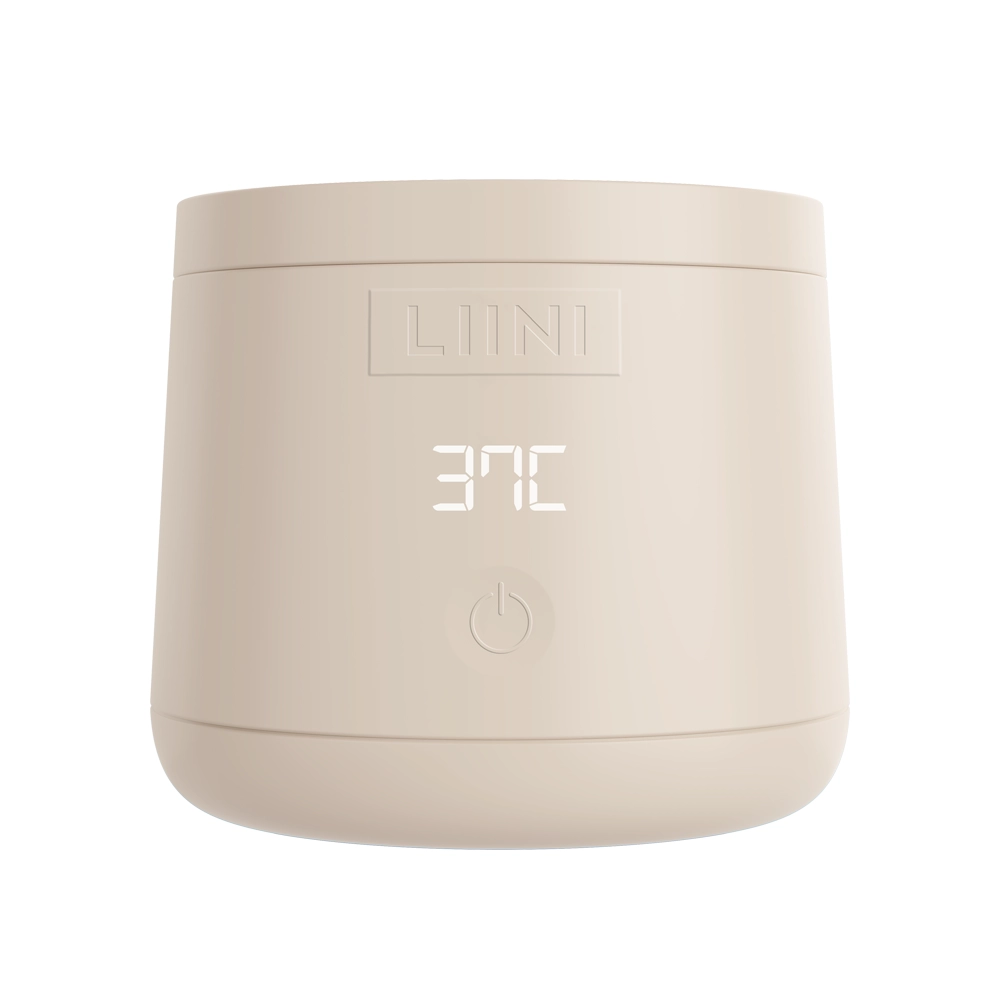
 4.0 PRObattery · on the go
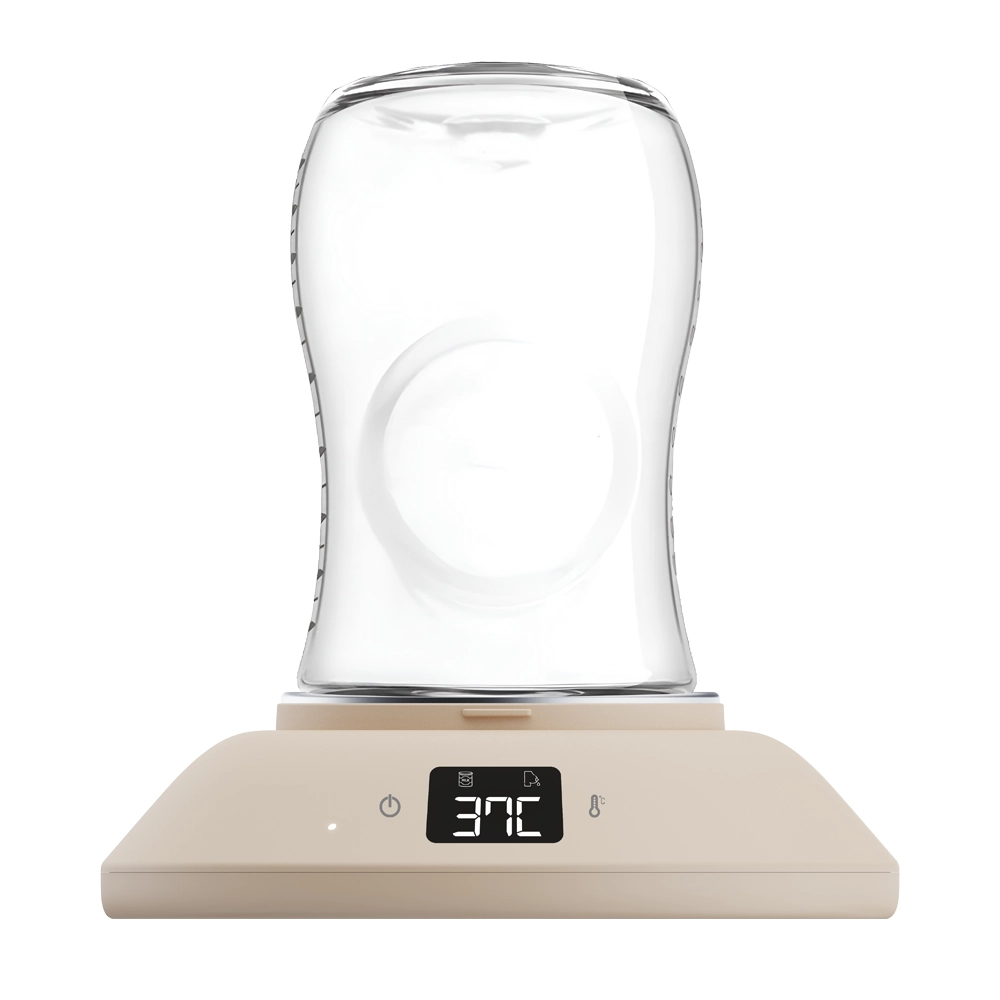 Home 230Vfor home
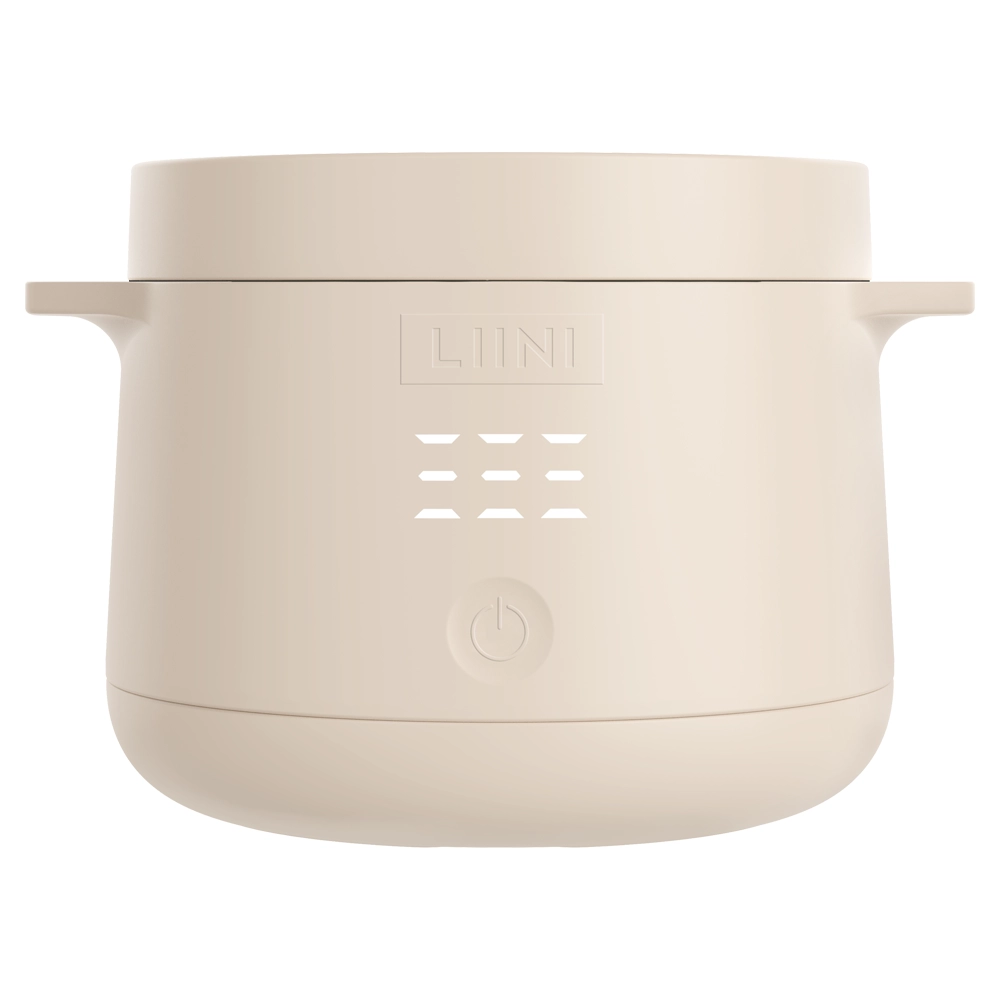 Baby food warmersfrom 6 months
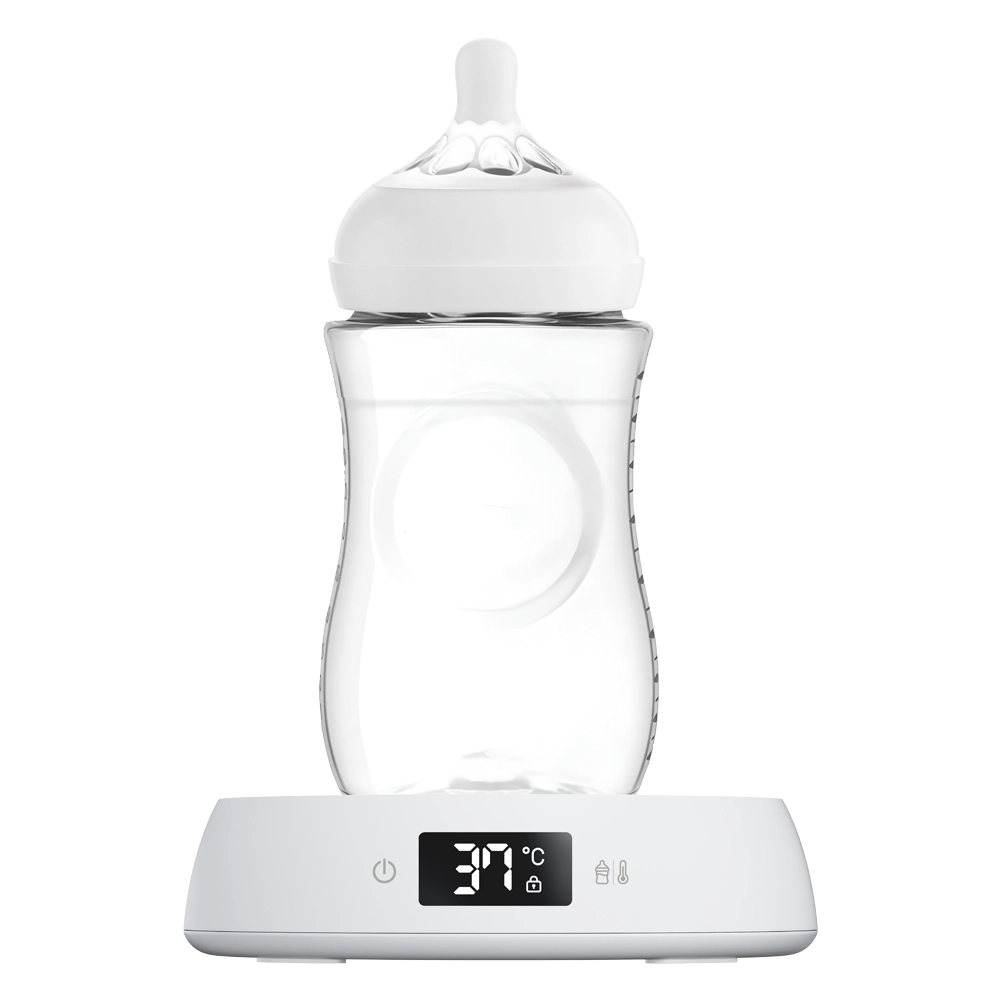 Night Stationfor the night





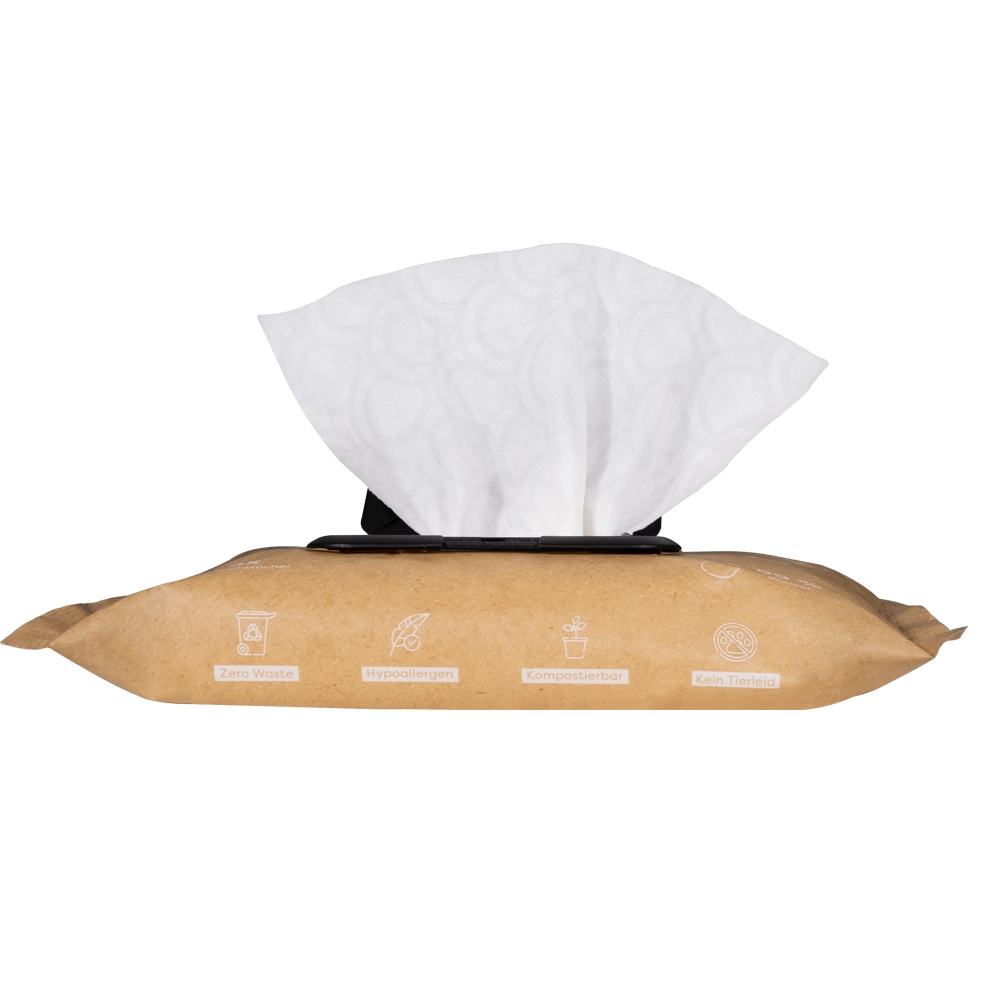
 Cleaning Wipes Monthly Pack
 Home & 2Go Bundle
 Formula Dispenser Avent
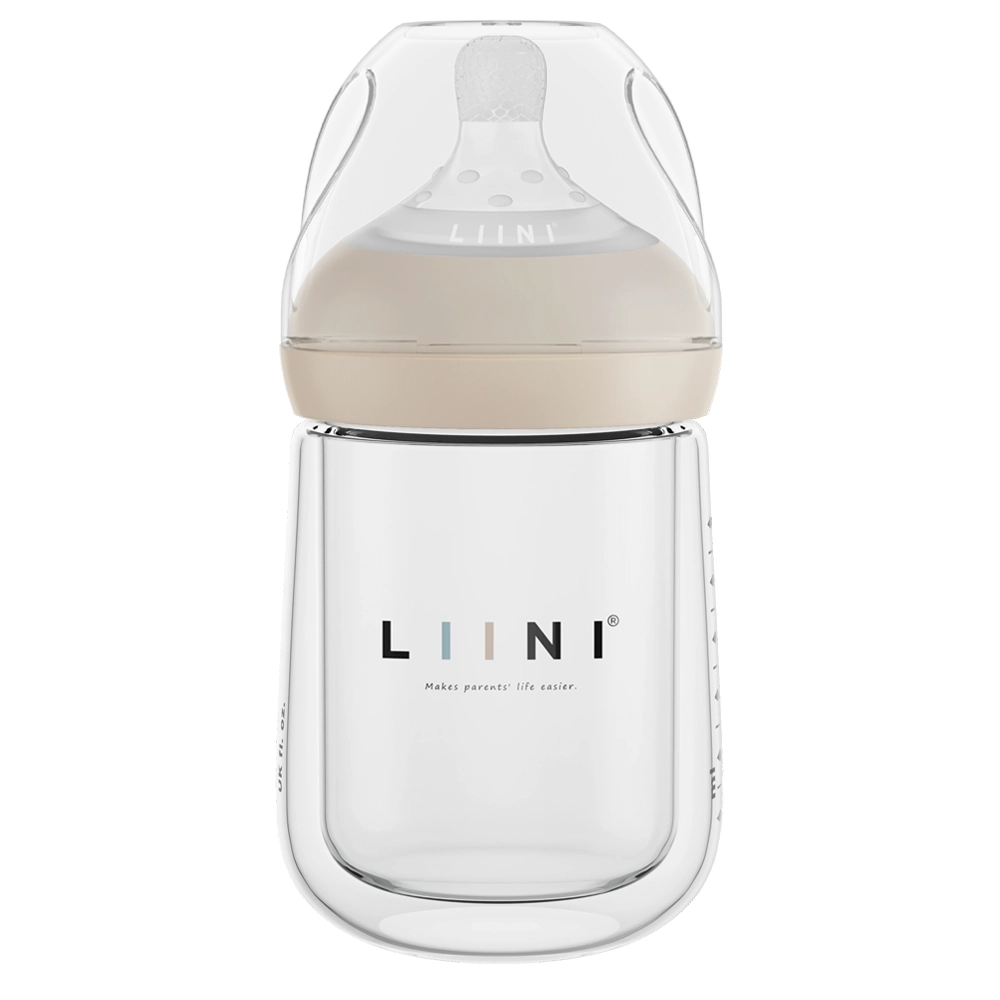
 Baby Bottle Bundle











Essentials for Your Newborn: A Checklist for the First Few Months
What do you need for a baby? This checklist for your baby’s first essentials shows you what you really need, what can wait, and what you can skip. Ready to check off and print.
Contents
In short
You’ll need less for your initial baby supplies than many lists suggest. The essentials include a safe place to sleep with a firm mattress and a sleep sack, a few outfits in sizes 50/56 and 62/68, diapers and baby care items, the essentials for breastfeeding or bottle-feeding, a car seat, and a stroller or baby carrier. You can take your time adding everything else after the birth. A good time to start planning is around the 30th week of pregnancy.
Gathering everything you need for your baby can often feel like a mountain to climb: long lists, well-meaning advice, and overflowing shelves. But what a newborn really needs most of all is closeness, food, a safe place to sleep, and clean diapers. This baby essentials list is organized by category, separates the necessities from the “nice-to-haves,” and shows you what you can safely do without.
Baby Essentials: An Overview of 6 Categories
The easiest way to plan is to divide the essentials into categories. That way, you can quickly see where something is still missing and where you already have enough.
- Sleeping: a bed of your own with a firm mattress, sleeping bags, and sheets.
- Clothing: bodysuits, onesies, socks, and something warm for outside.
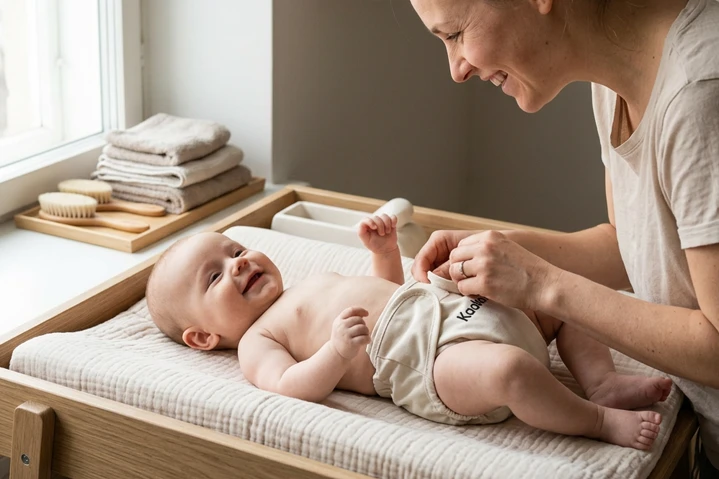
- Diaper Changing & Care: Diapers, changing pad, washcloths, cream, and a thermometer.
- Feeding: Supplies for breastfeeding or bottle-feeding, i.e., the bottle.
- On the Go: Car seat, stroller, or baby carrier; diaper bag.
- Nursery & Safety: A sturdy changing table, smoke detectors, and a soft night light.
Here’s a short checklist for you, because the postpartum period also requires some preparation.
When to Start Gathering Your Baby’s Essentials
Many parents start putting together the baby’s initial supplies around the 30th week of pregnancy. This leaves enough time to compare options, borrow items, and gather suggestions. However, babies don’t always stick to the due date: If a baby is born before the end of the 37th week of pregnancy, it’s considered a preterm birth according to the WHO. So plan ahead to ensure that the essentials are ready a few weeks before your due date.
- Go through the list and check off what you already have or will be getting from friends and family.
- Clarify your wishes: Anyone who wants to give you a gift can find ideas in the “Gifts for a Newborn” guide. This will help you avoid duplicate gifts.
- First things first: Start by getting a crib, an infant car seat, a few outfits, and diapers.
- Wash and set up: Wash the clothes before putting them on for the first time, set up the crib, and test fitting the infant car seat.
- Add the rest later —you’ll realize many things only once you’re in the daily routine with your baby. That can wait.
Baby Starter Kit List: A Checklist to Tick Off
The quantities are approximate guidelines for the first few months. How much you’ll need also depends on how often you do laundry. You can check off the list and print it out.
Sleeping
According to the University Children’s Hospital Zurich, the safest place for your baby to sleep is in their own crib in the parents’ bedroom. An alternative is a crib that attaches to the parents’ bed. Place a firm mattress inside and avoid using pillows or fur blankets. Your baby sleeps safest in a sleeping bag. According to the German Federal Institute for Public Health (BIÖG), you can calculate the right length as follows: body height minus head length, plus 10 to 15 cm to allow for growth and kicking.
- Crib or co-sleeper with a firm, well-fitting mattress
- 2–3 fitted sheets
- Waterproof mattress pad
- 2 baby sleeping bags in the right size and warmth for the season
- Night light or dimmable lamp for nighttime feedings
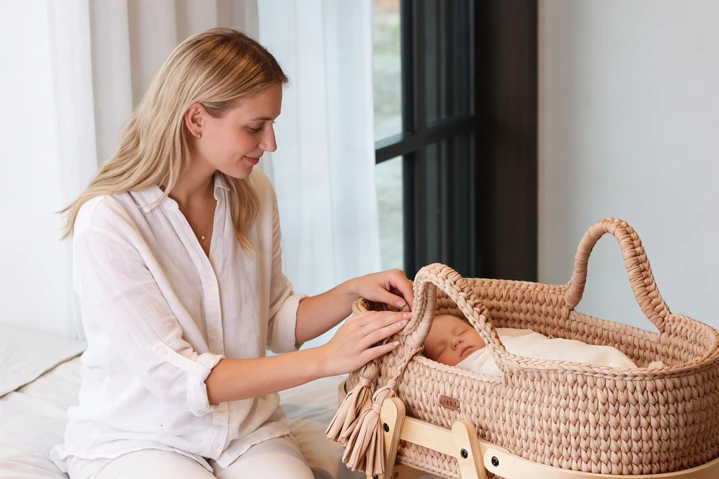
- Optional: Moses basket or baby cradle for daytime naps
Good to Know
According to the Children’s Hospital Zurich, the ideal room temperature for sleeping is 18 °C. To check if your baby is too warm, place the back of your hand on the back of their neck.
Clothing (sizes 50/56 and 62/68)
Baby clothes are labeled according to body length in centimeters. Some babies only wear size 50 for a short time—or not at all. So buy just a few items in size 50, a few more in size 56, and a couple of pieces in size 62/68. Wrap-around onesies that open at the side—instead of having to pull them over the head—are practical for the beginning.
- 6–8 onesies, short- or long-sleeved depending on the season
- 5–7 onesies or pants
- 3–5 tops or jackets
- 3–4 pairs of socks
- 1–2 thin hats for outdoors
- 1 warm onesie or snowsuit for a winter baby
- 6–10 burp cloths
Tip
Your baby doesn’t need a hat to sleep. According to the Children’s Hospital Zurich, it’s not necessary to put a hat or gloves on a child when they sleep.
Diaper Changing & Care
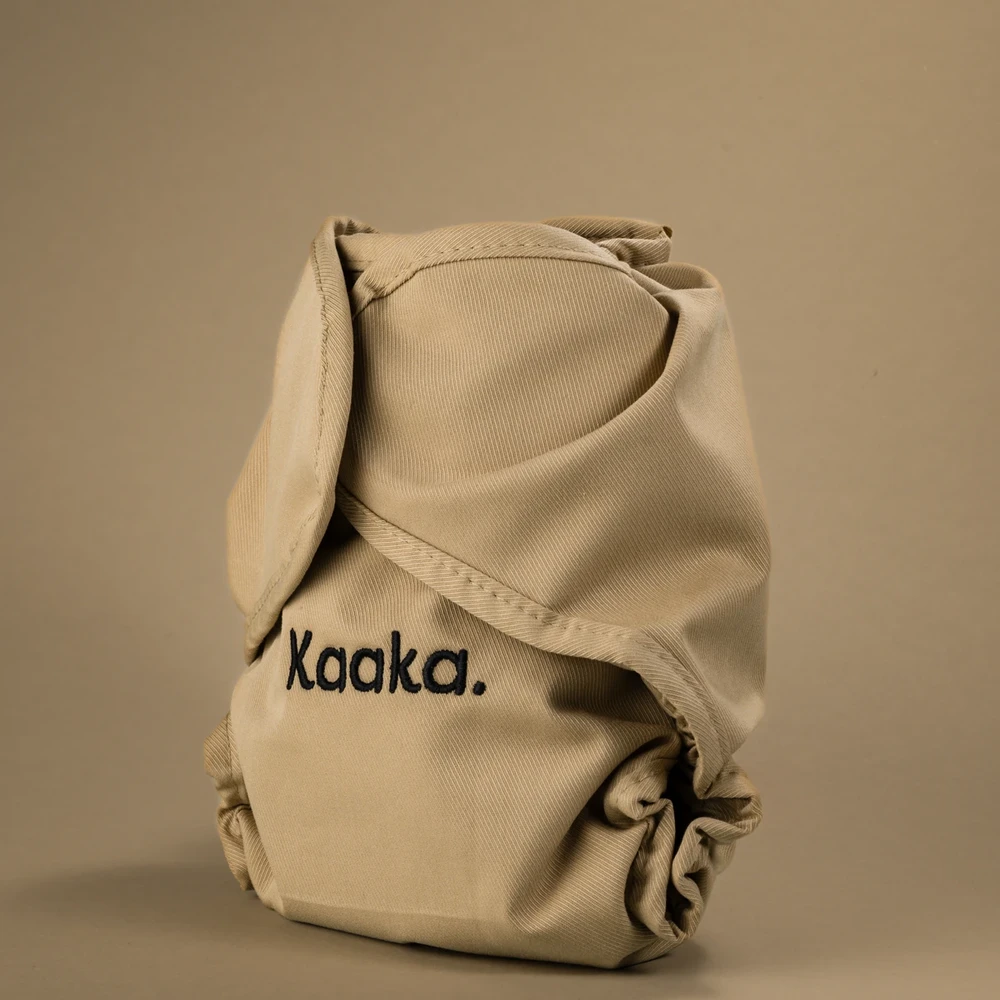
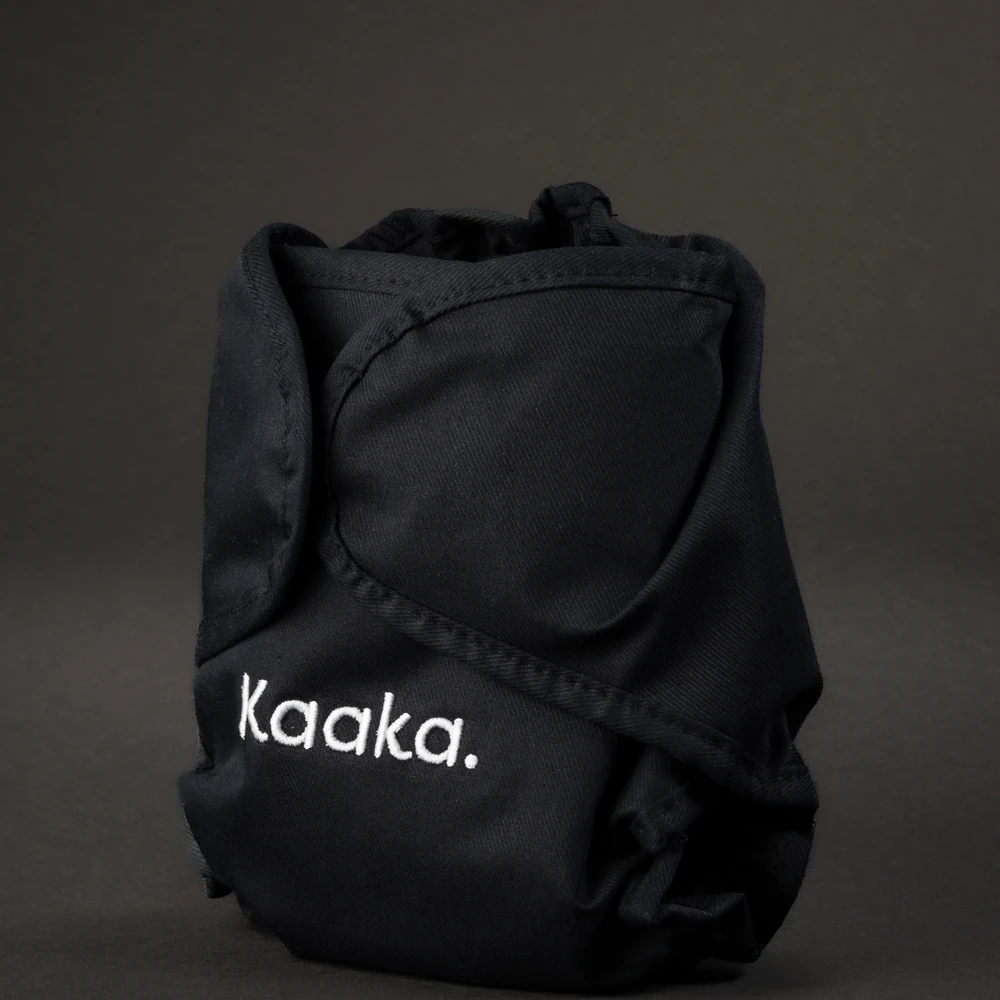
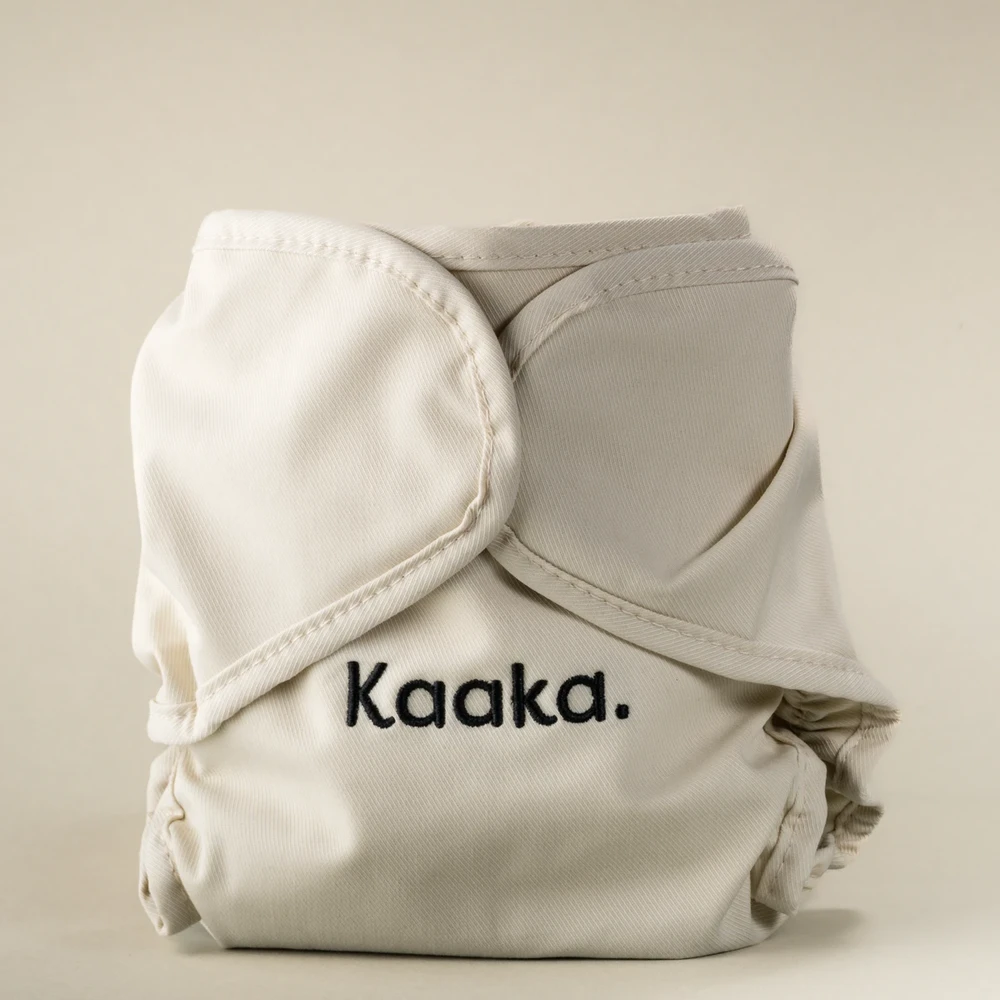
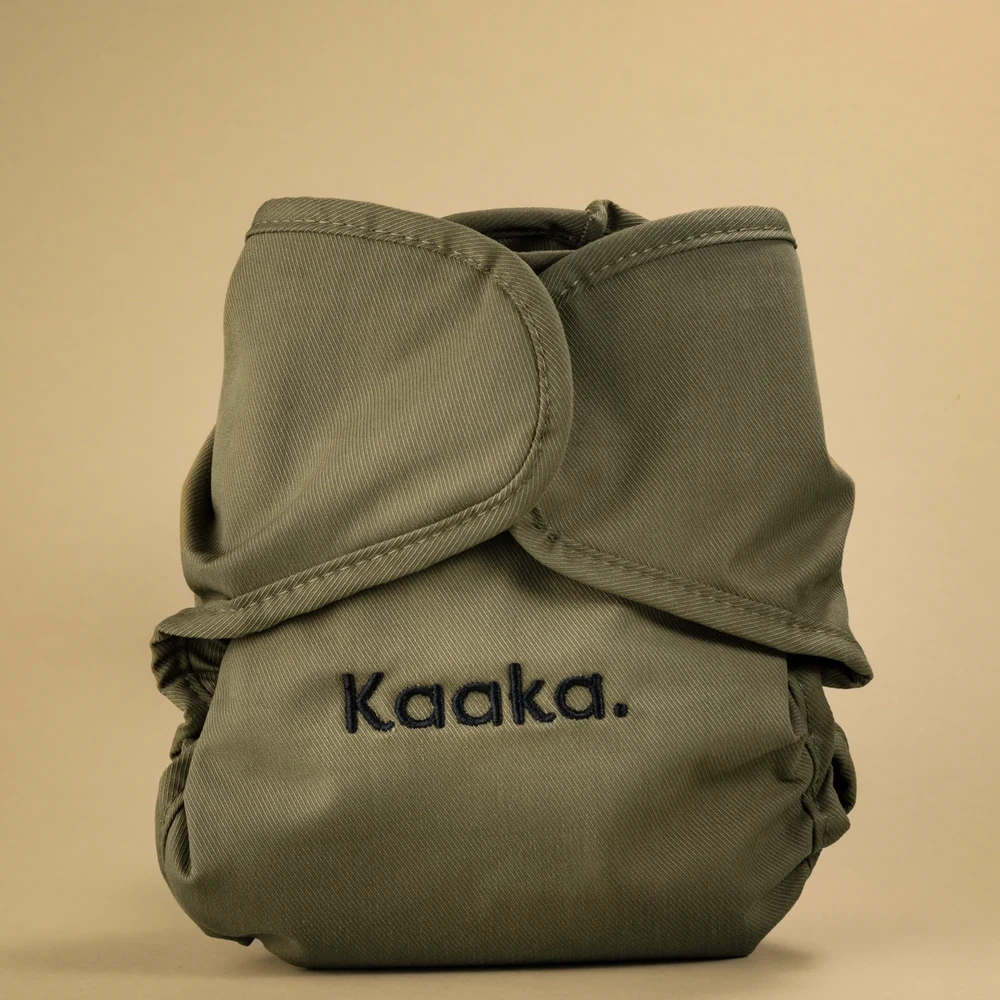
- Newborn-sized diapers or cloth diapers
- Washable changing pad
- Washcloths or cotton pads, plus wet wipes for when you’re on the go
- Diaper rash cream
- Diaper pail or bucket with a lid
- Baby bathtub or bath bucket
- Bath thermometer
- 2–3 hooded bath towels
- Round-tipped nail scissors or nail file
- Digital thermometer
Warning
According to BIÖG, falls from the changing table are a major cause of accidents during a child’s first year of life. By about three months of age, a child can already roll over on their own—often unexpectedly. Keep everything within reach and never leave your baby alone on the changing table.
Feeding: Breastfeeding or Bottle-Feeding
Whether you breastfeed, bottle-feed, or do both: the options are straightforward. It’s best to discuss which infant formula is right for you with your midwife, the parenting counseling service, or your pediatrician.
For Breastfeeding
- Nipple Pads
- Nipple ointment
- A nursing pillow or a large, firm pillow
- a few burp cloths within reach
For a glass or a bottle
- 4–6 baby bottles with nipples for newborns
- Bottle brush
- Infant formula (pre-formula) as agreed
- Pot or sterilizer for cleaning bottles and nipples
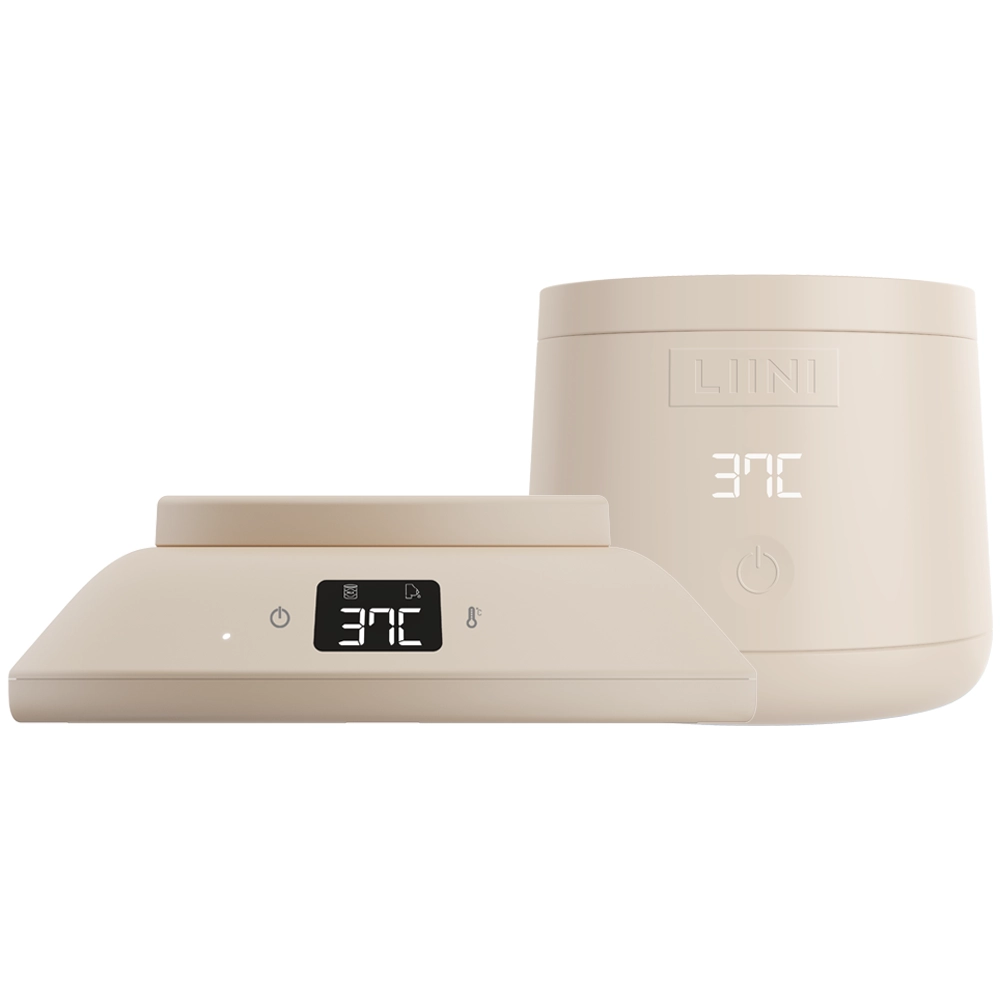
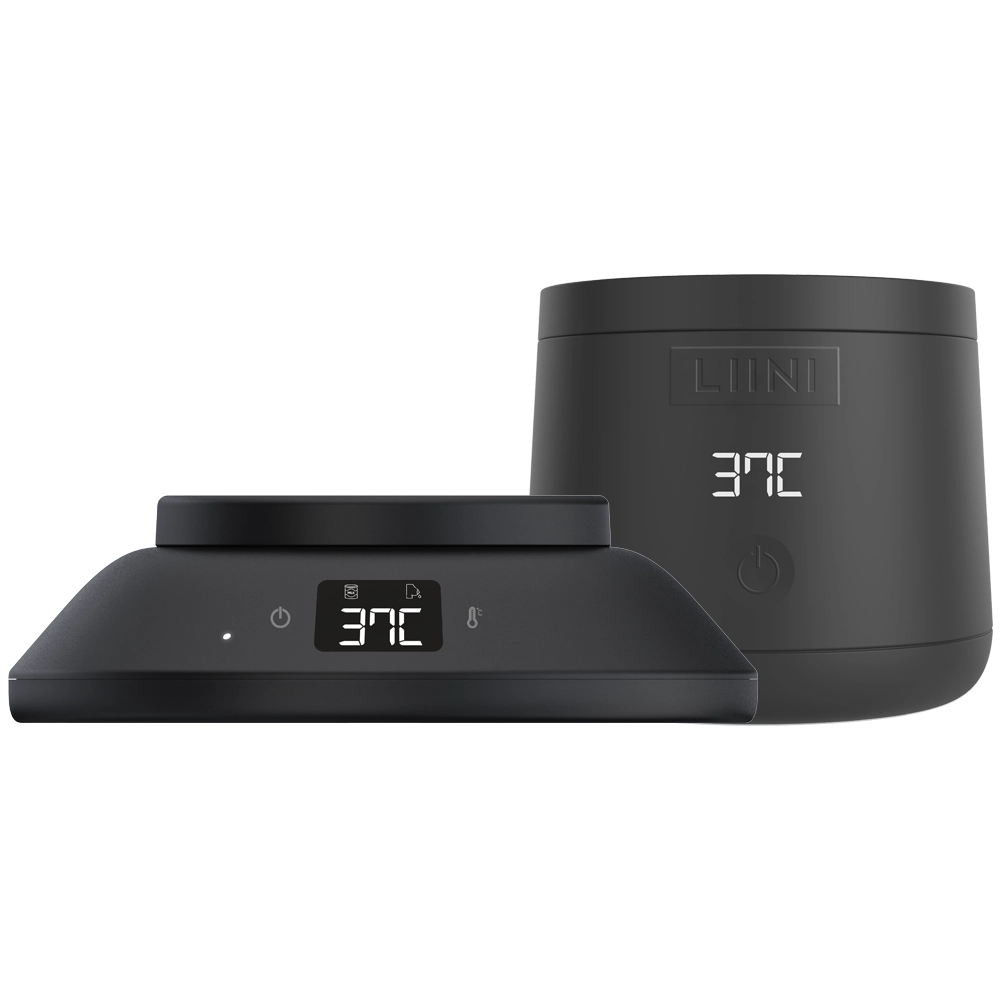
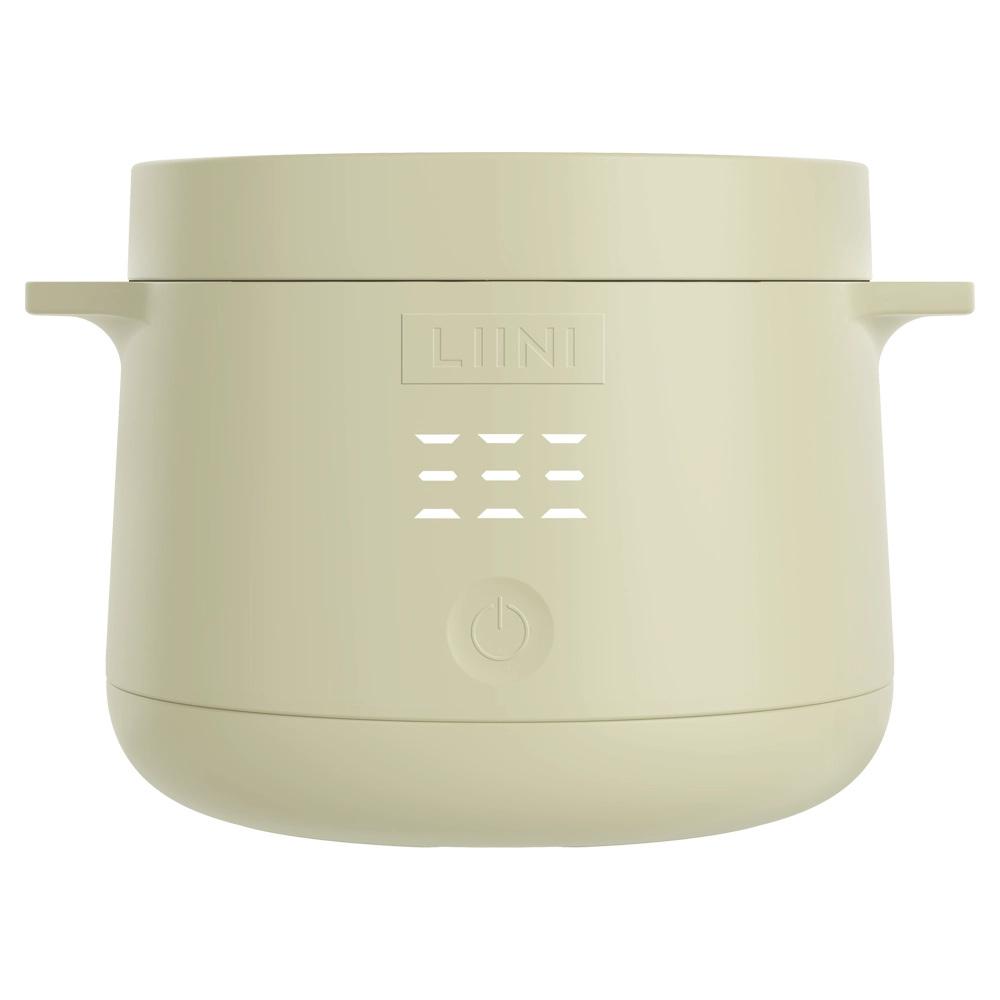
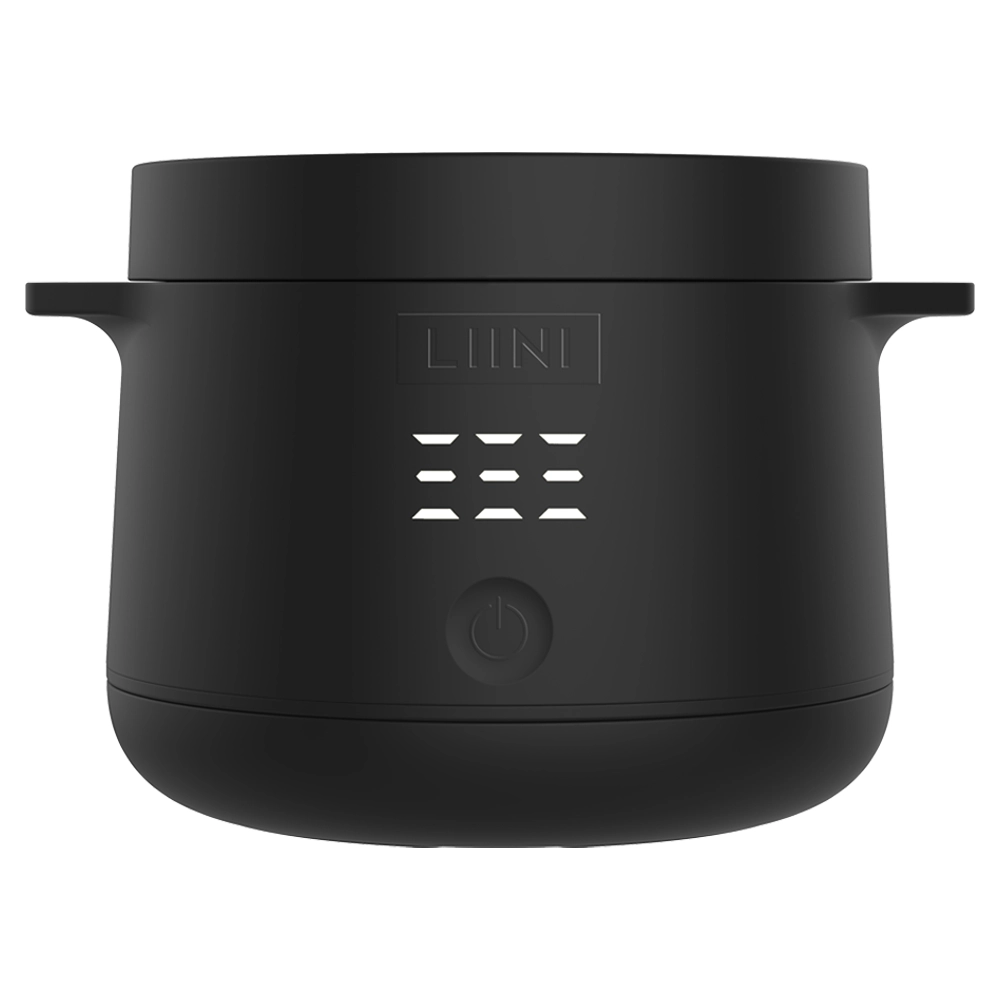
- Thermos or bottle warmer for nighttime and on the go (optional)
On the Road
If you’re driving home from the hospital or birthing center, you’ll need an infant car seat right from the very first ride. The Swiss Council for Accident Prevention (BFU) advises: Always install the infant car seat facing backward and deactivate the front airbag if it’s on the front passenger seat. You can identify approved car seats by the orange certification label (ECE R44 or R129).
- Infant car seat, installation practiced before the birth
- Stroller with carrycot or all-in-one stroller
- Baby carrier or sling
- Diaper bag or diaper backpack with changing pad
- Sun and rain cover for the stroller
- Footmuff for the stroller if the baby is born in winter
The ” Packing the Diaper Bag” checklist lists everything you need to carry in your bag for everyday use.
Baby’s Room & Safety
If your baby sleeps in your room at first, a fully furnished nursery isn’t a must. More important are a safe changing area and a smoke-free environment, because according to the Children’s Hospital Zurich, smoke from cigarettes, cigars, and pipes poses a risk to your child.
- Changing table or changing pad on a sturdy dresser
- Baskets or compartments to keep diapers and baby care items within easy reach
- Smoke detectors in the bedroom and hallway
- Room thermometer in the bedroom
- Baby monitor for daytime naps when you’re in another room (optional)
- Blackout curtains for daytime naps (optional)
For You
It’s also a good idea to make a short list for the postpartum period. Ask early on for a midwife who can support you at home after the birth.
- Postpartum Pads
- Mesh panties or soft cotton panties
- 2–3 nursing bras or comfortable bustiers
- Comfortable clothing that opens in the front
- Large water bottle for breastfeeding
- Packed bag for the hospital or birthing center
- Midwife requested for the postpartum period
What You Really Need and What’s Just a Nice-to-Have
Not everything has to be ready before the baby is born. This overview will help you prioritize.
| Category | Really Necessary | Nice to have |
|---|---|---|
| Sleeping | Own bed with a firm mattress, 2 sleeping bags | Bassinet or cradle for daytime use, night light |
| Clothing | Bodysuits, onesies, socks, hats for outdoors | Outfits for going out, sets, baby shoes |
| Diapering & Care | Diapers, changing pad, washcloths, cream, thermometer | Diaper pail with odor-sealing lid, changing tray with stand |
| Feeding | Nursing pads or bottles, nipples, brush | Nursing pillow, bottle warmer, vaporizer |
| On the Go | Infant car seat, stroller, or baby carrier | Baby carrier and stroller, diaper backpack |
| Safety | Sturdy changing station, smoke detector | Baby monitor, room thermometer |
| For you | Postpartum pads, nursing bra | Nursing clothes, nursing pillow |
From LIINI
 LIINI® Baby carrier beigeOriginal price was: 129.99€.103.99€Current price is: 103.99€.incl. VATView product
 LIINI® Changing backpack beige polyester made from recycled PETOriginal price was: 99.99€.69.99€Current price is: 69.99€.incl. VATView product
 LIINI® Baby cradle cream249.99€incl. VATView product
What You Don’t Need to Buy
Some products are popular but offer little benefit or don’t align with recommendations for safe infant sleep.
- Crib bumpers and bed rails: The BIÖG advises against using bed rails.
- Pillows, comforters, and fur blankets in the crib: The Children’s Hospital Zurich recommends avoiding them. A sleep sack is sufficient.
- Sleep positioners and wedge pillows: According to the American Academy of Pediatrics (AAP), a sleeping surface with an incline of more than 10 degrees is not safe.
- Products designed to prevent sudden infant death syndrome (SIDS): The AAP advises against them because there is no evidence to support these claims. This also applies to at-home breathing and heart rate monitors.
- Baby shoes: As long as your baby isn’t walking, socks are enough.
- Lots of size 50 clothes: Some babies outgrow them in just a few weeks.
- Baby scale and wet wipe warmer: Babies are weighed at the midwife’s office, the parenting counseling center, or the pediatrician’s office.
Tip
You can buy or borrow a lot of things in good used condition, such as clothes, a bathtub, or a stroller. When buying a used infant car seat, look for the orange safety label and ask if it has been in an accident. The mattress should be firm and fit the crib perfectly.
Frequently Asked Questions
What do you really need for a baby?
To start with, all you need is a crib with a firm mattress and a sleep sack, a few outfits, diapers, and baby care items, as well as the essentials for breastfeeding or bottle-feeding. If you drive, you’ll need an infant car seat starting with your very first drive. You’ll also need a stroller or a baby carrier. You can add everything else after the baby is born.
When should you have everything ready?
Many parents start preparing around the 30th week of pregnancy. The most important items should be ready a few weeks before the due date, because babies don’t always arrive on time. According to the WHO, a baby born before the end of the 37th week is considered premature.
What size clothes does a newborn need?
Baby clothes are labeled according to body length in centimeters. To start with, it’s best to buy a few items in size 50, a few more in size 56, and a few pieces in size 62/68. Some babies only wear size 50 for a short time—or not at all.
How many onesies does a baby need?
As a general guideline, 6–8 onesies should be enough for the first few weeks. If you wash them often, you’ll get by with fewer. It’s better to buy more later once you figure out which styles you like best for everyday use.
Blanket or sleeping bag for the baby?
A sleeping bag. According to the Children’s Hospital Zurich, it’s the safest option because your baby can’t slip with their head under a blanket. Pillows and fur rugs don’t belong in the crib.
Do I need a changing table?
A dedicated changing table isn’t a must. A changing pad on a sturdy dresser at a comfortable working height is sufficient. It’s important that everything is within reach and that you never leave your baby alone on the changing surface.
Sources
- Information for Parents: Safe and Healthy Sleep, University Children’s Hospital Zurich
- The Baby’s Sleep Environment, kindergesundheit-info.de, Federal Institute for Public Health (BIÖG)
- Common Accidents in the First Year of Life, kindergesundheit-info.de, Federal Institute for Public Health (BIÖG)
- Child Safety Seats, BFU – Swiss Council for Accident Prevention
- Preterm Birth, World Health Organization (WHO)
- How to Keep Your Sleeping Baby Safe: AAP Policy Explained, HealthyChildren.org, American Academy of Pediatrics (AAP)