
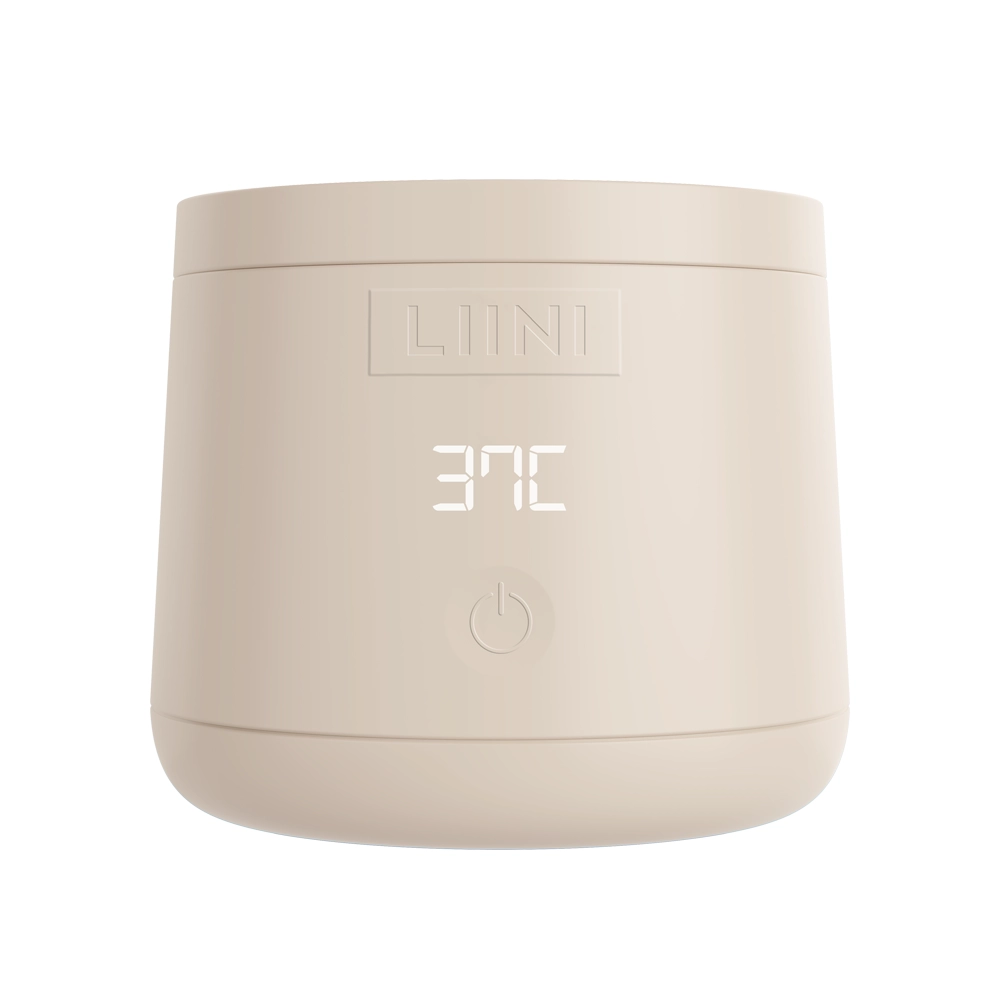
 4.0 PRObattery · on the go
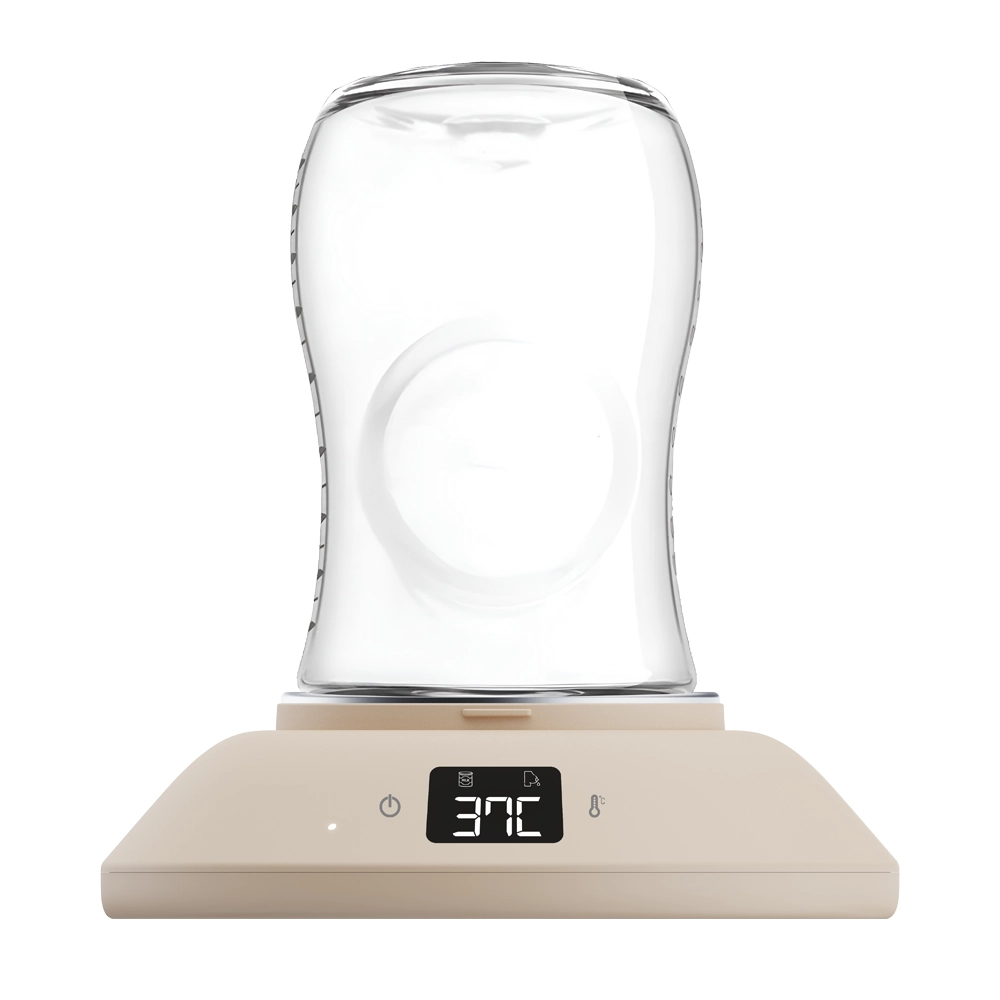 Home 230Vfor home
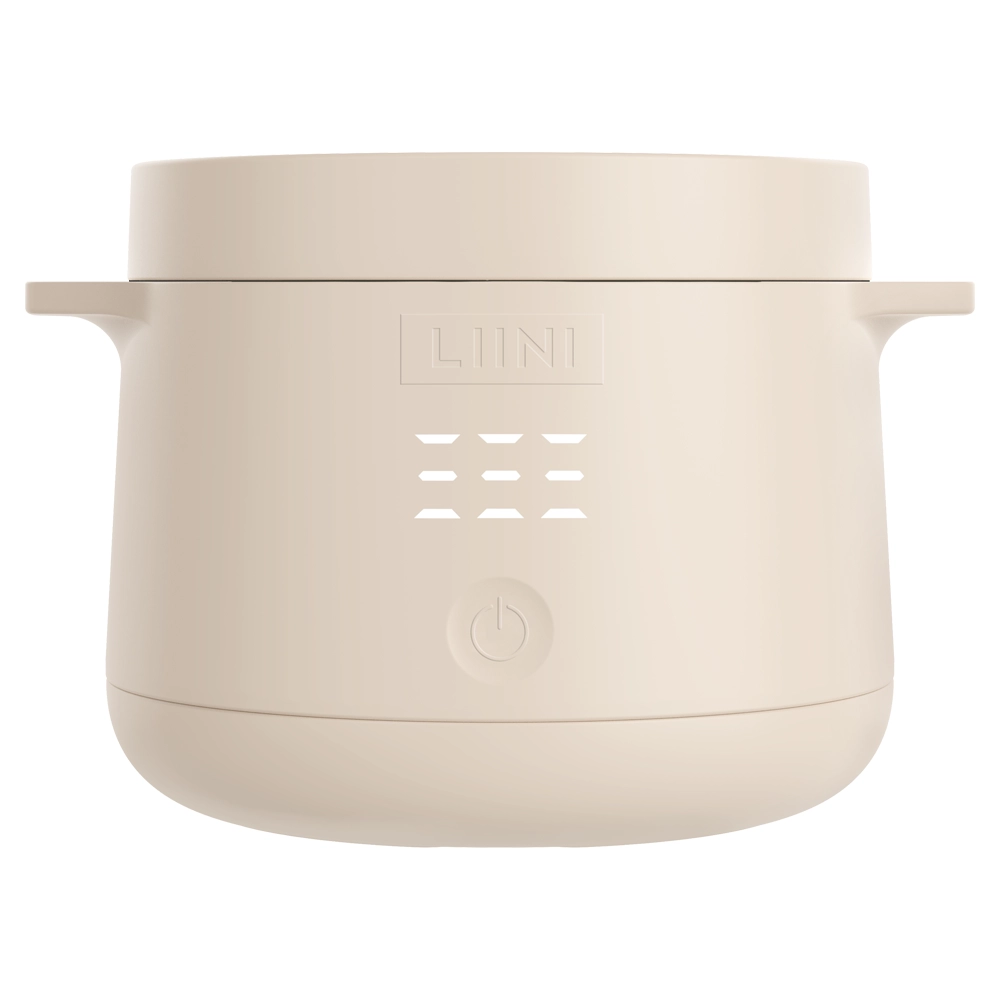 Baby food warmersfrom 6 months
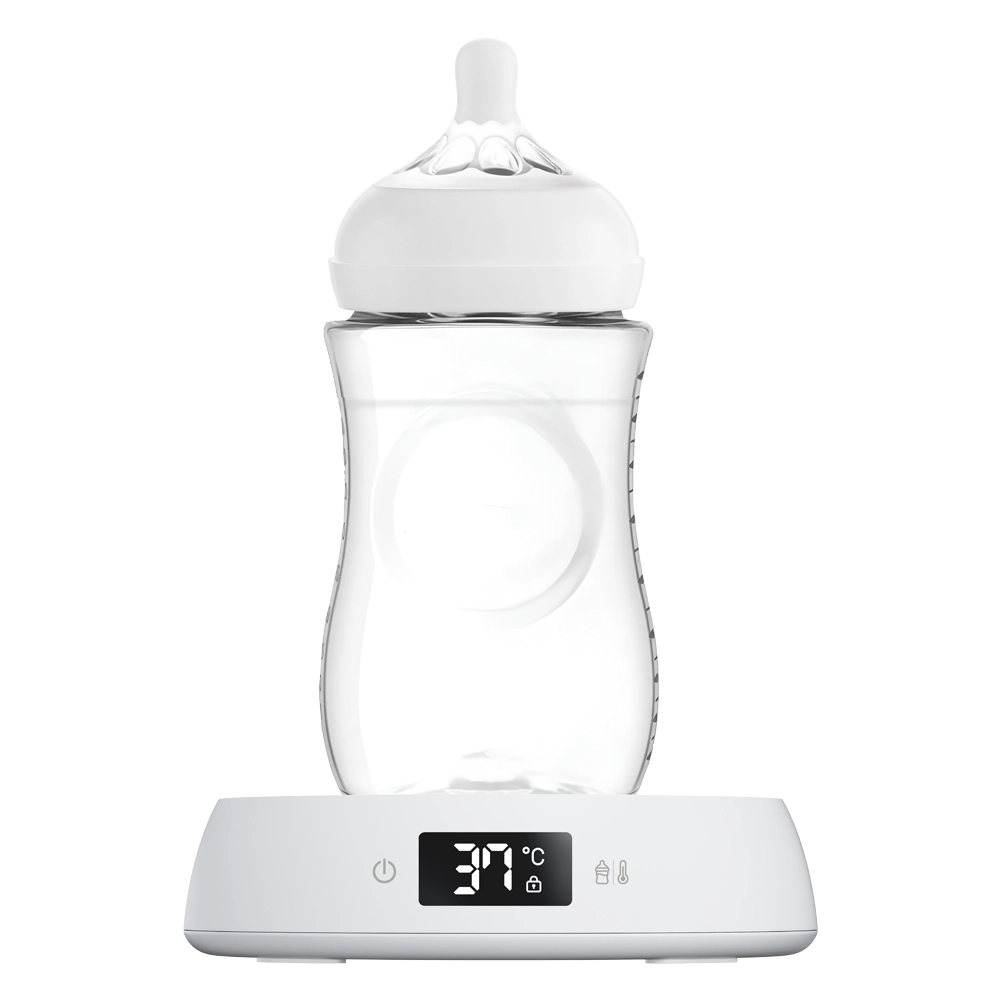 Night Stationfor the night




 Cleaning Wipes Monthly Pack
 Home & 2Go Bundle
 Formula Dispenser Avent
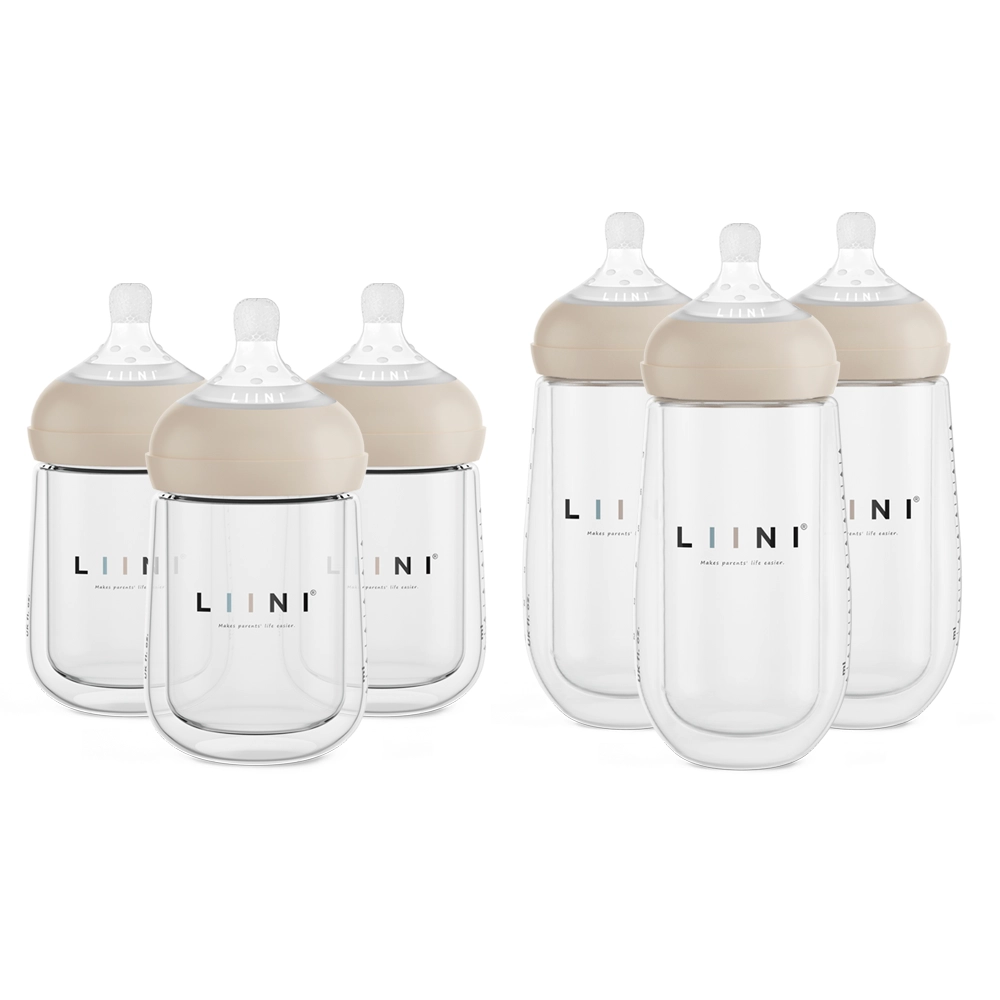 Baby Bottle Bundle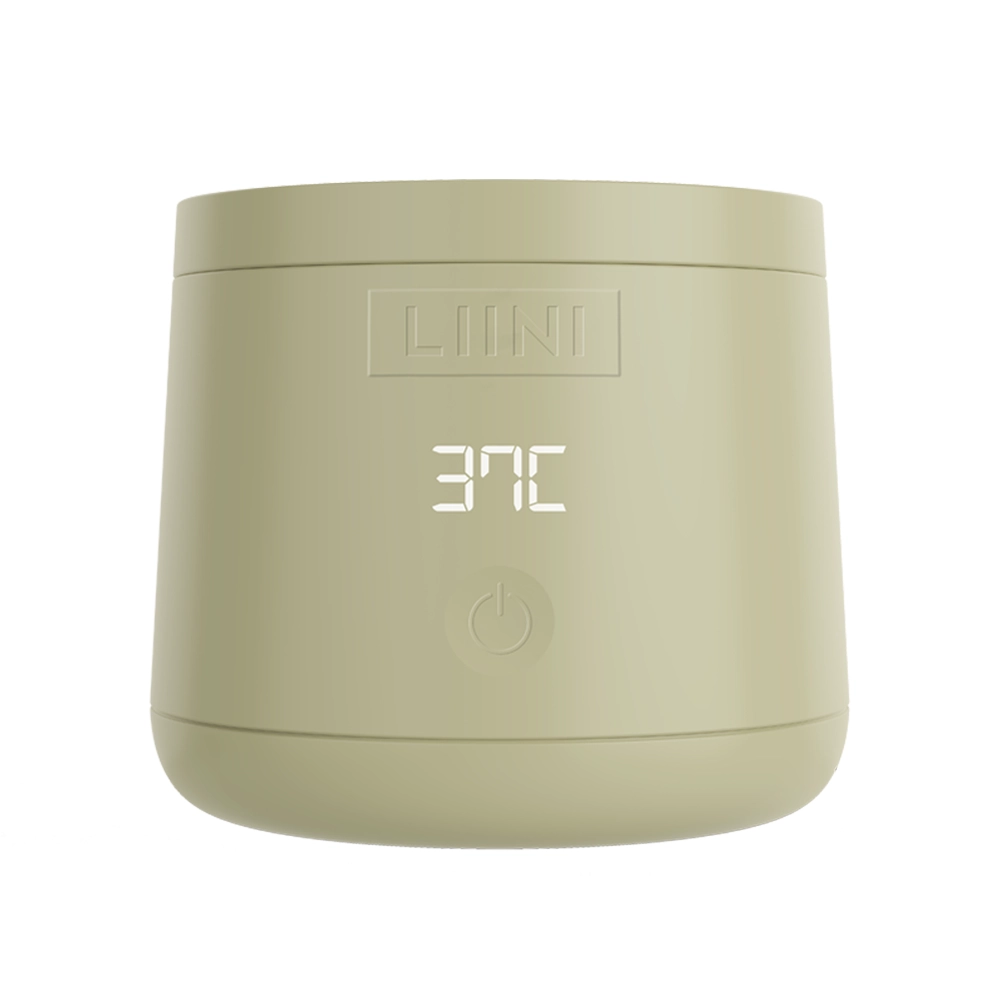










How to Keep Baby Food Warm on the Go: 4 Ways and Tips
Baby food warmers, insulated containers, water baths, or microwaves: Here’s how to keep baby food warm and hygienic while on the go. Includes a checklist to tick off.
Contents
In short
The easiest way to warm up baby food on the go is with a battery-powered food warmer, a preheated thermal container, a water bath at a restaurant, or a microwave. Even more important than warmth is hygiene: Transport homemade baby food in a cooler; reheat each portion only once, and throw away any leftovers. Stir well and check the temperature before your baby eats. Ready-to-eat baby food from jars can also be eaten at room temperature.
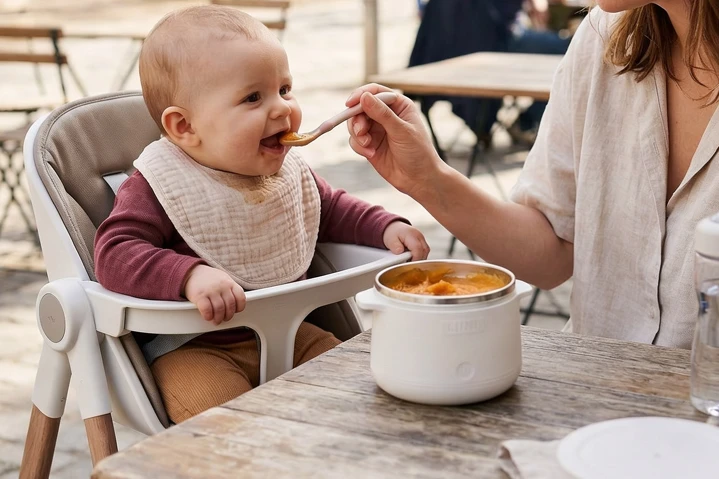
Your baby is already eating baby food, and you’re out and about all day: hiking, visiting the grandparents, riding the train. By lunchtime at the latest, you’ll be wondering how to warm up the baby food on the go—and whether it even needs to be warm. Here you’ll find a comparison of four methods, the most important hygiene rules, ideas for homemade baby food, and a checklist to work through.
Does baby food really need to be warm when you’re out and about?
Not necessarily. According to the Early Childhood Counseling Service for Mothers and Fathers (Frühe Kindheit Ost), ready-to-eat jars do not need to be refrigerated and can be served at room temperature. The German Federal Institute for Public Health (BIÖG) also states that room temperature is perfectly adequate for feeding. Some babies still prefer their baby food lukewarm, though. Try it out at home to see how your baby eats. Then you’ll know whether you even need a heat source when you’re out and about.
Hygiene is more important than temperature. Baby food that sits out at lukewarm temperatures for a long time is a breeding ground for germs. The Austrian program “Eating Right from the Start” therefore recommends keeping hot foods above 65 °C or cooling them quickly, and keeping baby food warm for as short a time as possible.
Heating Up Baby Food on the Go: A Comparison of 4 Methods
Which method works best depends on where you’re going and how long you’ll be away.
| How to | Here’s how | Advantages | Disadvantages | Fits |
|---|---|---|---|---|
| Rechargeable baby food warmer | Pour in the baby food, turn it on, and feed directly from it | No power outlet needed; no need to transfer food; tightly sealed | Battery must be charged; one more item to pack | Walking, hiking, traveling |
| Insulated container | Preheat the container, pour in hot baby food | No electricity required; inexpensive | Cools down over time; only for a short time | Short distances, such as to the playground |
| Water Bath at the Restaurant | Order a bowl of hot water and place the glass inside | No need for your own equipment | Depends on the staff; takes | Café, restaurant, vacation |
| Microwave with stirring | Pour the porridge into a bowl, heat it up, and stir well | Quick | May have hot spots; not available everywhere | Rest stop, hotel, grandparents’ house |
1. Rechargeable baby food warmer
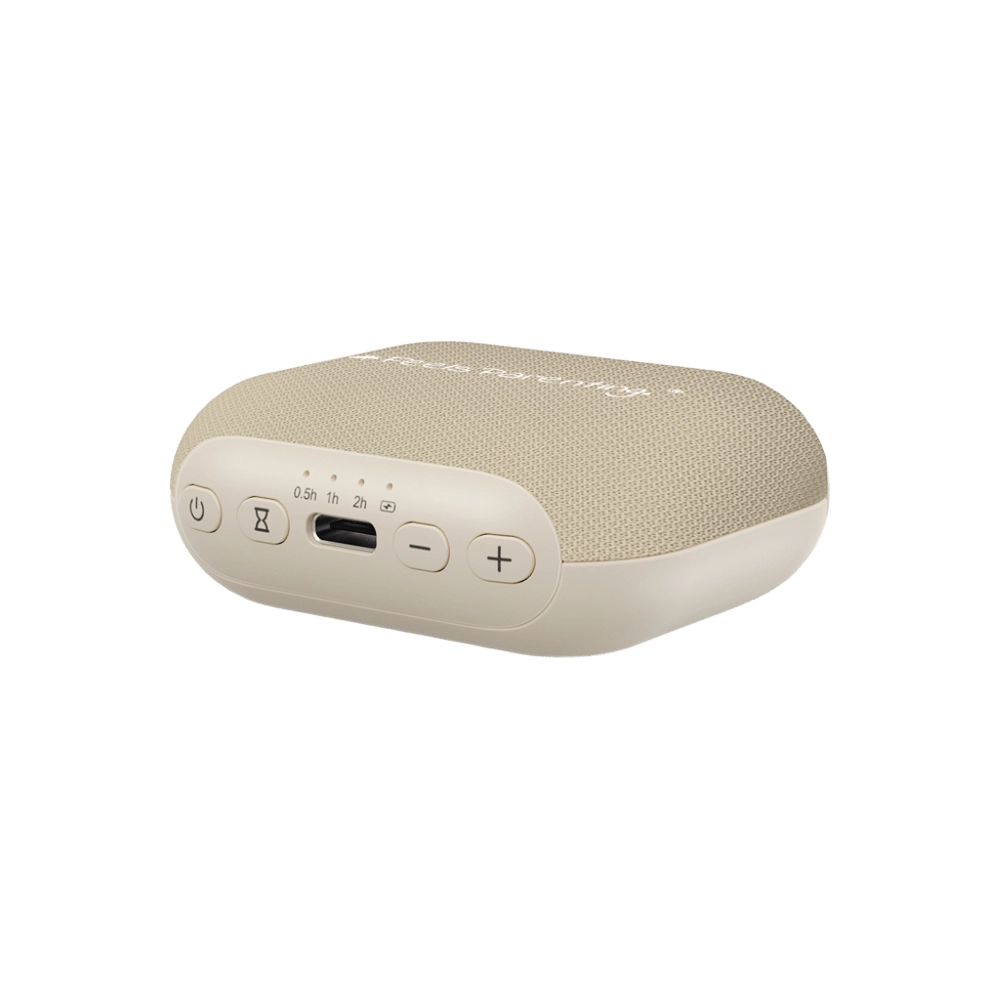
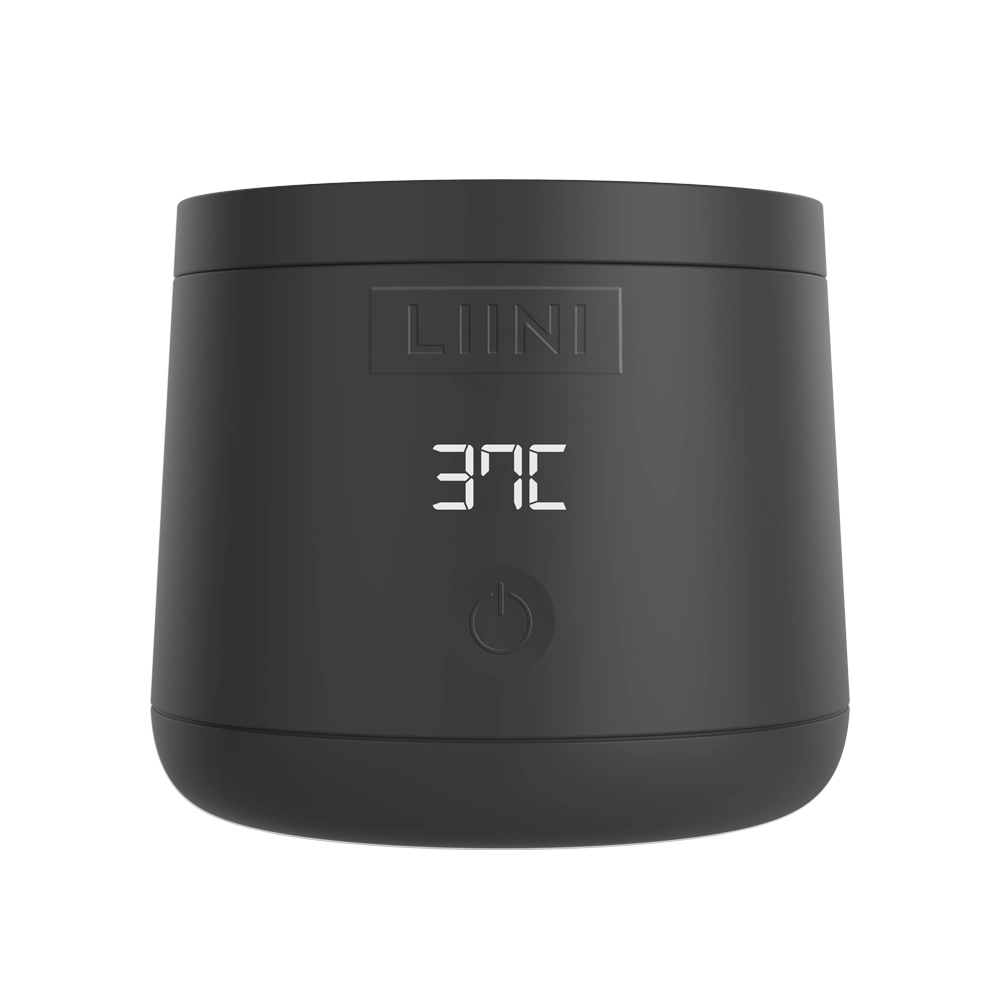
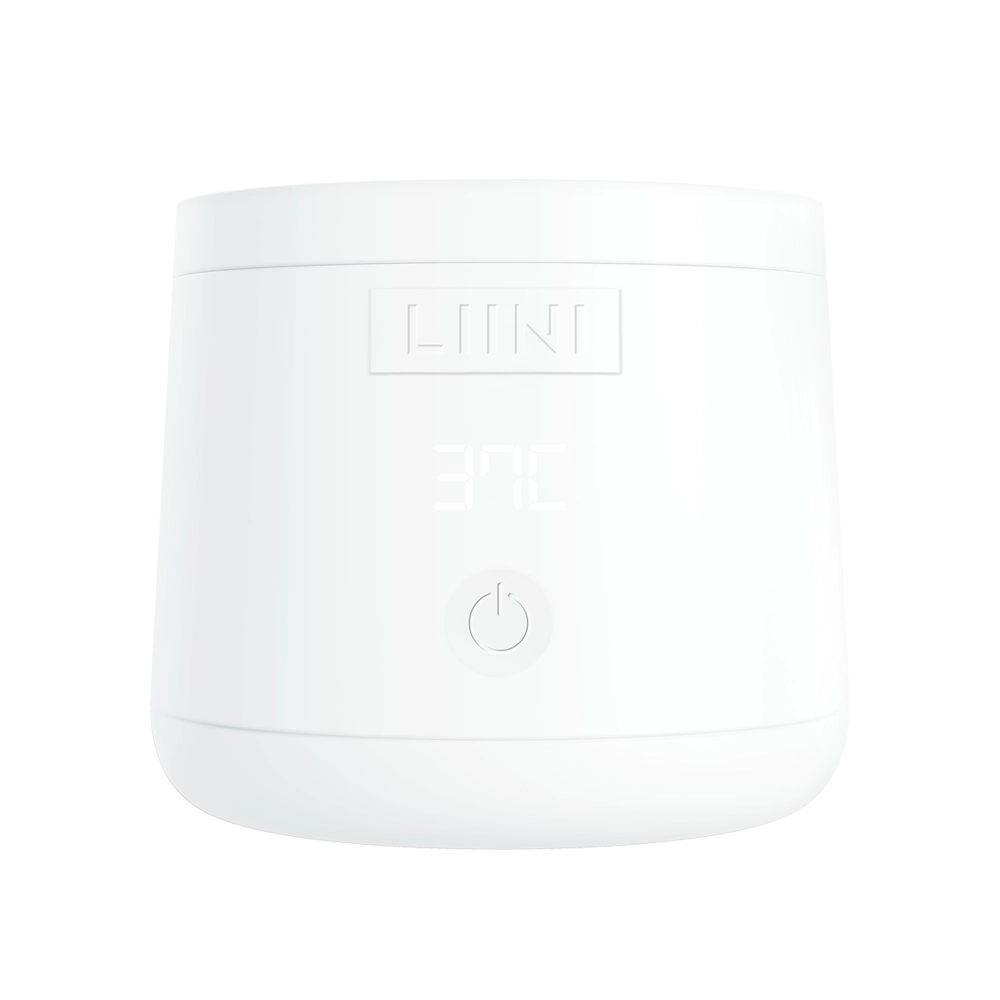
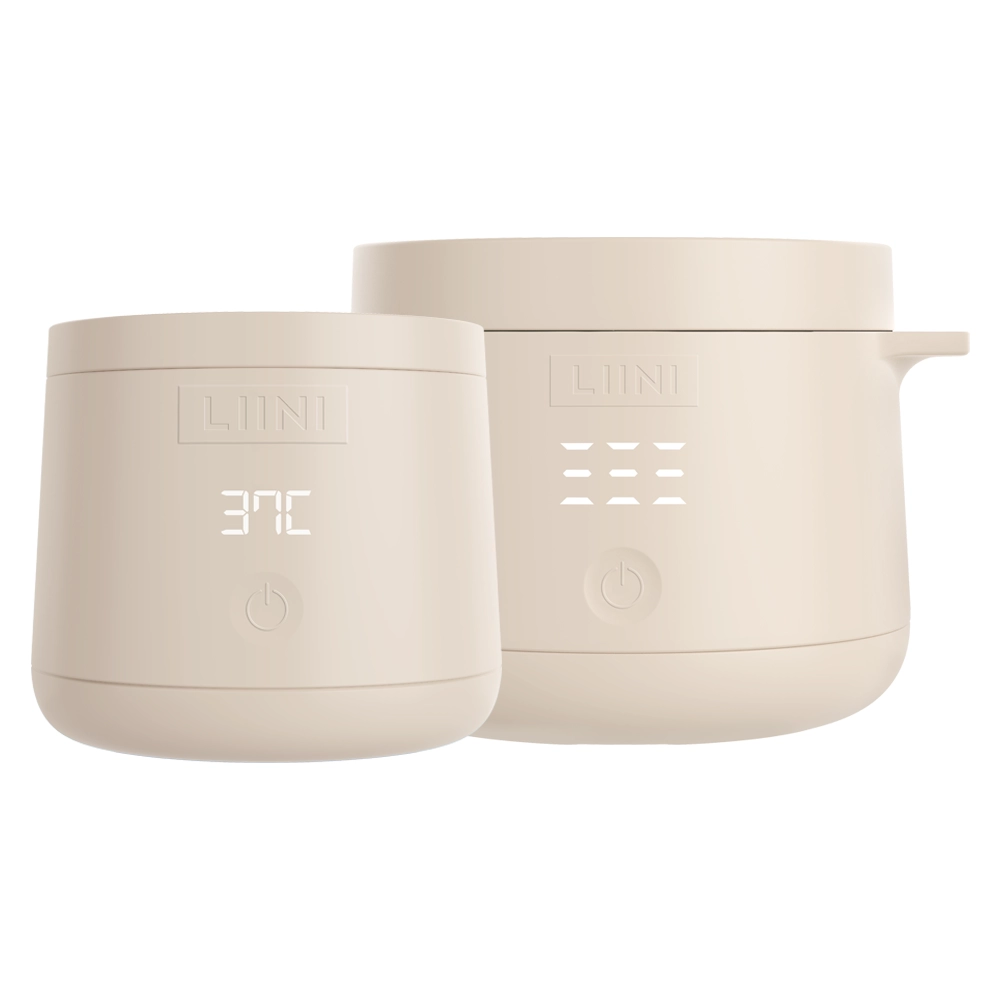
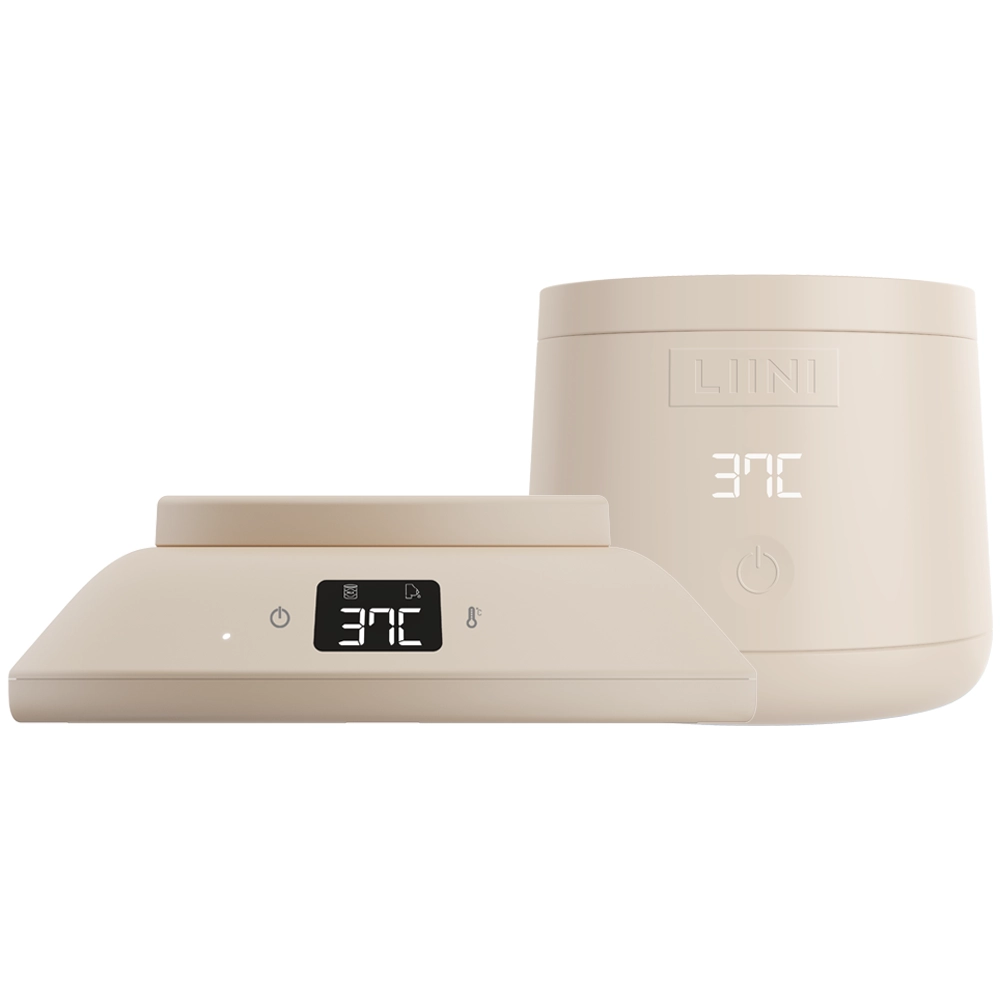
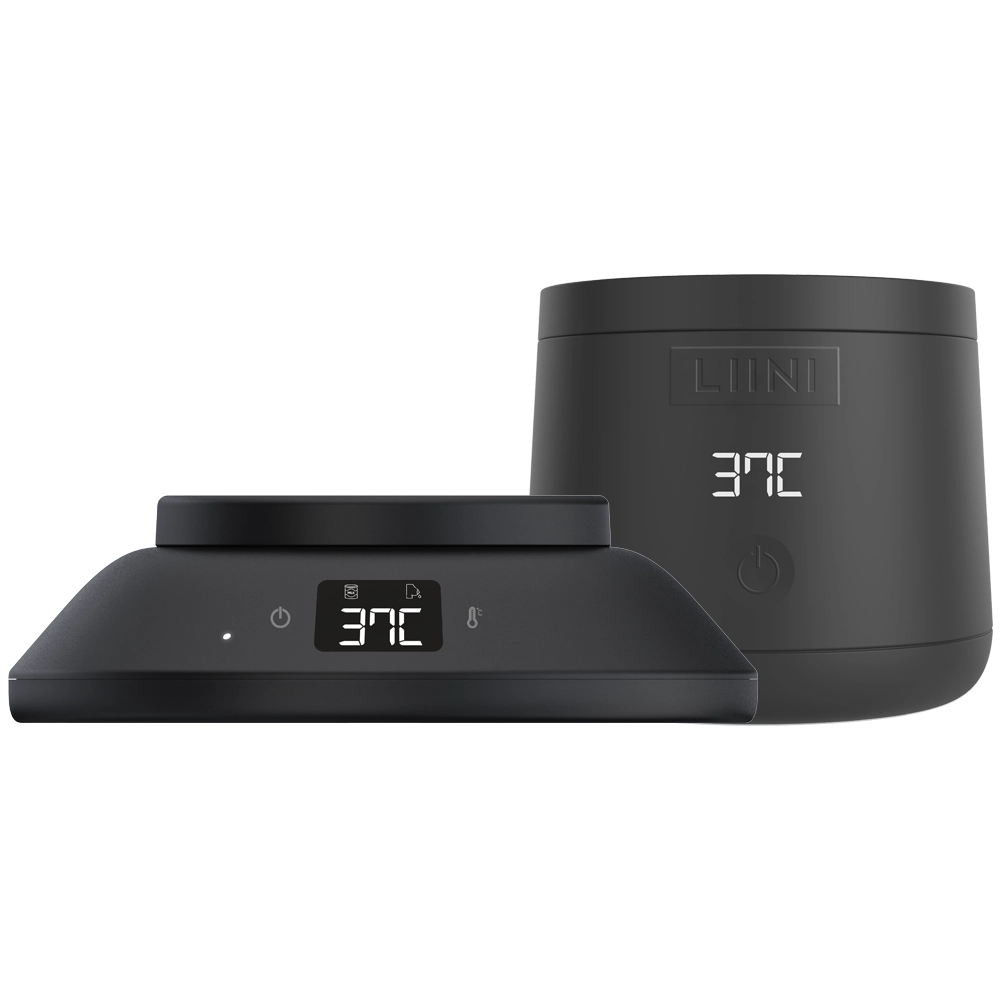
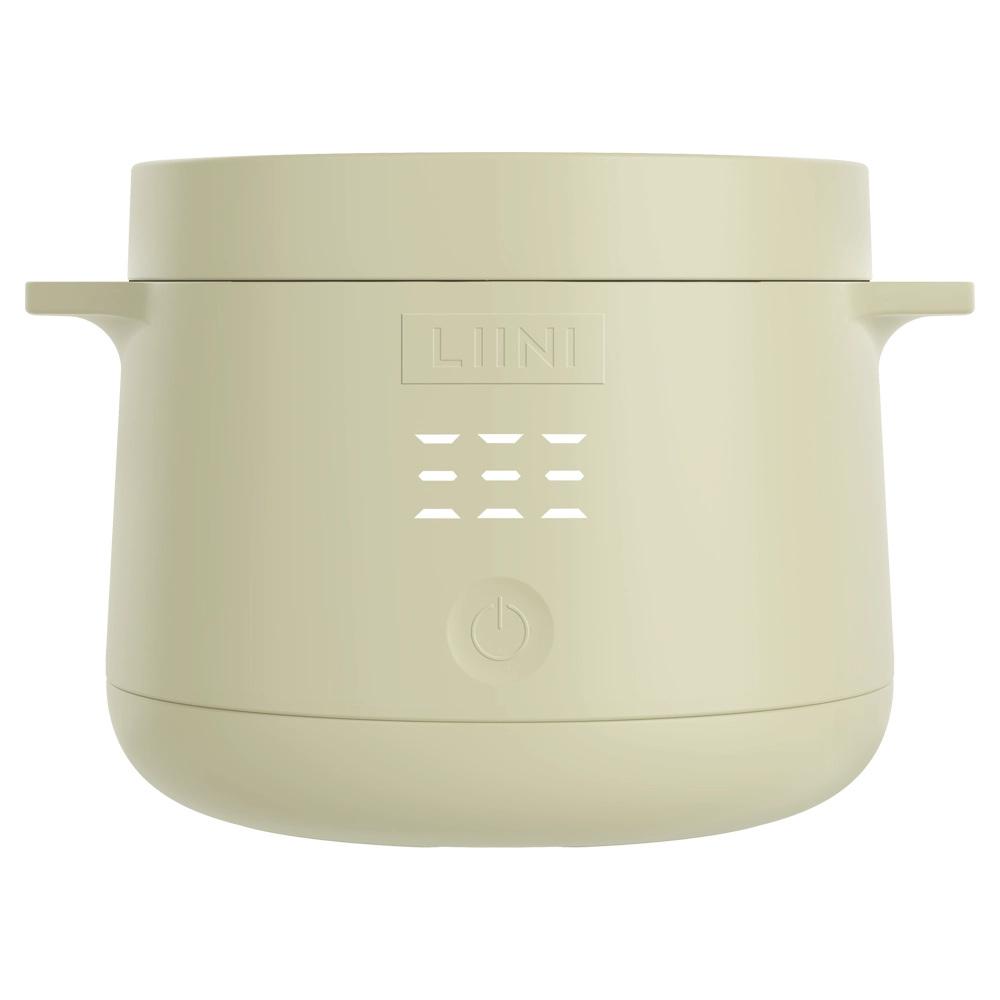
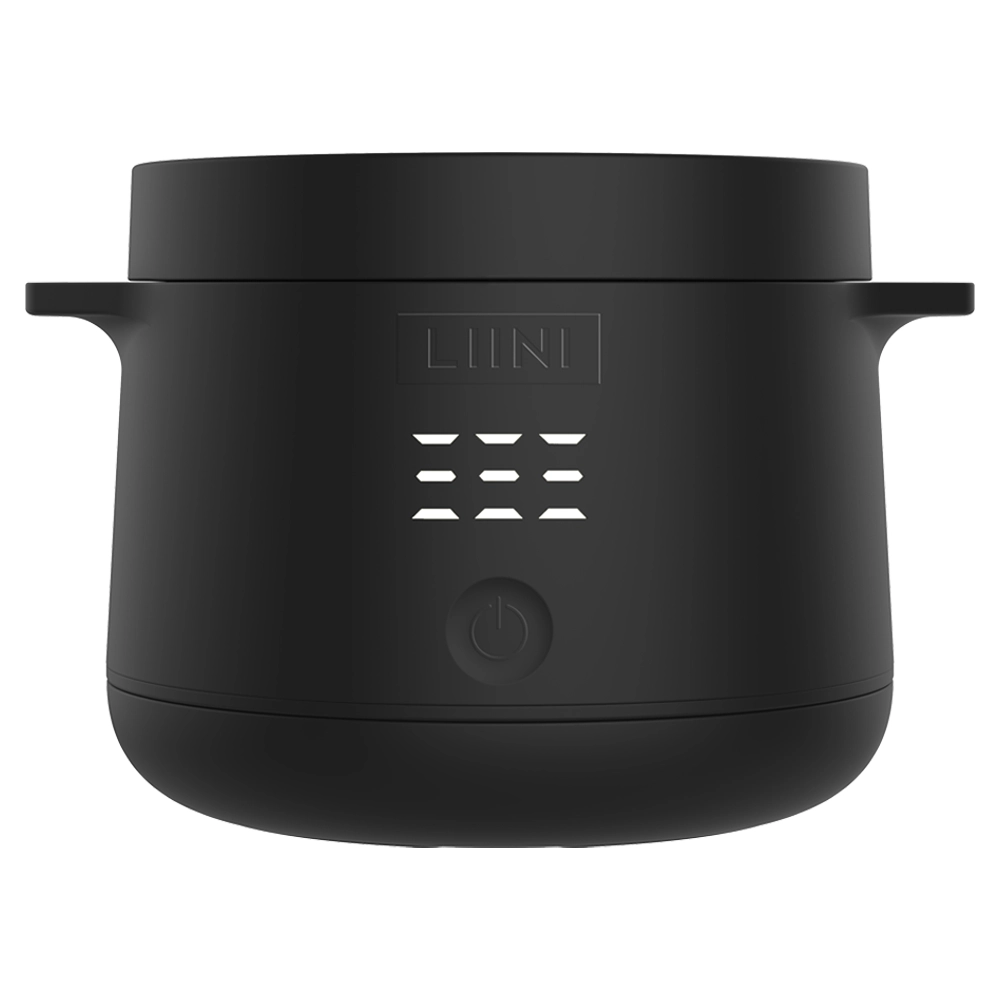
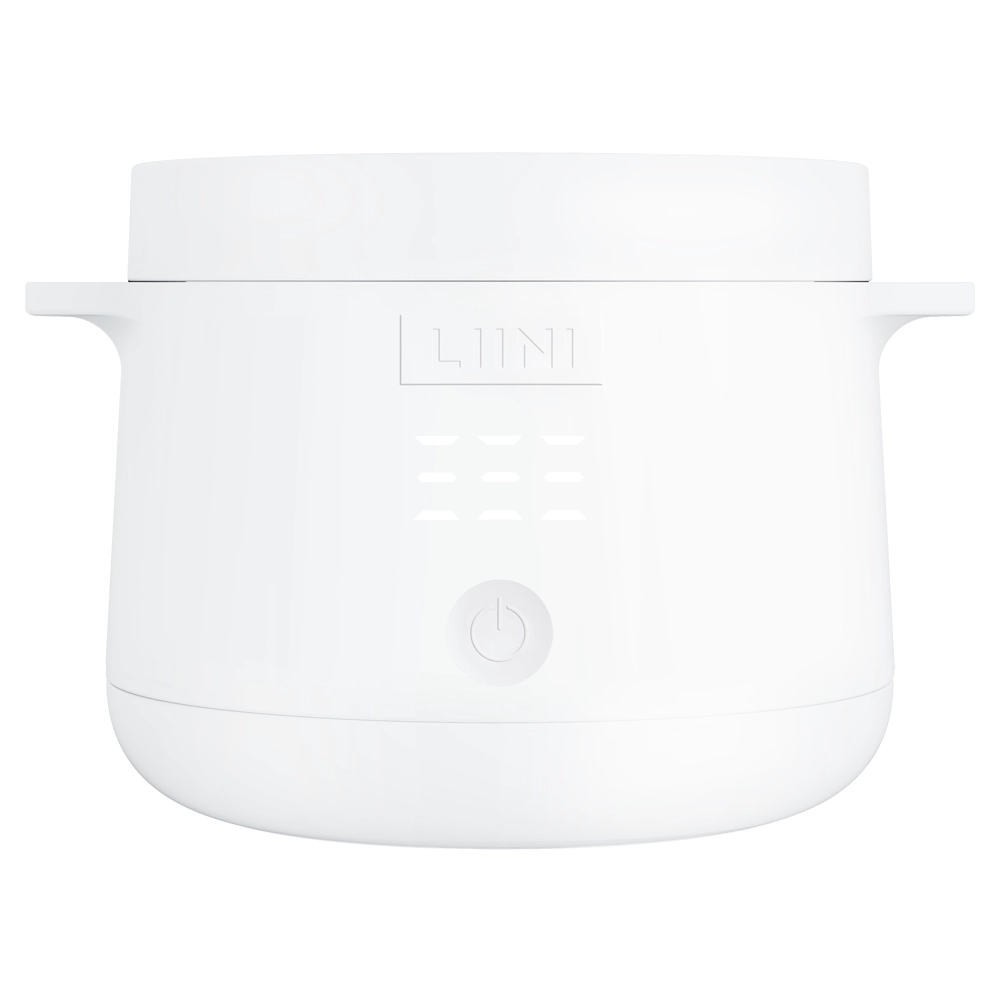
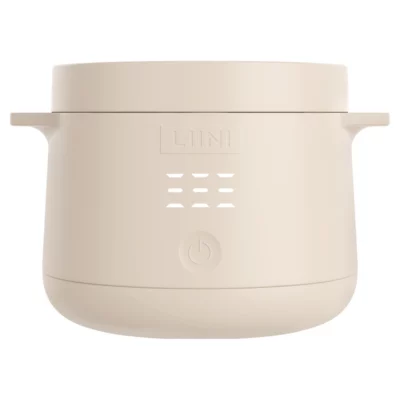
A battery-powered baby food warmer is a small heated bowl with a lid. You pour the baby food into it, turn on the device, and feed your baby directly from it. The LIINI® 2.0 PRO baby food warmer holds up to 350 g of baby food, heats it with 50 W via a stainless steel plate, and charges via USB-C. You don’t need to set a specific temperature. It is IP66-rated, meaning it is dustproof and protected against powerful water jets, and the lid is leak-proof. According to LIINI, it’s suitable for both store-bought and homemade baby food and is allowed in carry-on luggage on all flights. You can find all models under “Baby Food Warmers for On the Go.”
- Charging: Fully charge the baby food warmer the night before.
- Filling: Pour in the contents of a freshly opened jar or your baby food that was transported chilled, and close the lid.
- Heating: Turn on the device and wait until the baby food is warm. This takes a few minutes.
- Stir and check Stir with a clean spoon and check the temperature.
- Feeding: Feed directly from the baby food warmer. Discard any leftovers.
2. Insulated containers: Keeping baby food warm without electricity
A food thermos keeps baby food warm for a while without electricity. Rinse it with boiling water before filling it so that it’s preheated. Heat the baby food at home until it’s steaming hot all the way through, and fill the thermos immediately. However, the temperature in the container drops with every passing hour. It’s therefore best suited for short trips—such as from lunch at home to the playground—not for a full day of outings. For longer outings, it’s safer to pack the baby food chilled and reheat it once you arrive.
Attention
It’s best not to give your baby porridge that has been sitting in a thermos for hours at lukewarm temperature. Germs can multiply at lukewarm temperatures.
3. Water bath at a restaurant or café
You can warm up a jar of baby food on the go almost anywhere there’s hot water. Ask for a bowl of hot water at a restaurant. Open the jar, place it in the bowl, and stir occasionally. After a few minutes, the baby food will be lukewarm. It’s best to bring homemade baby food in a small jar with a screw-on lid—then the water bath works just the same. Keep the bowl and jar out of your child’s reach; both can be hot.
4. Microwave with stirring
There’s often a microwave at rest stops, in hotels, or at your grandparents’ house. It’s fast, but it heats food unevenly. According to BIÖG, your child could get burned by particularly hot spots. Therefore, transfer the baby food to a microwave-safe bowl, leaving the metal lid off the jar. Heat it in short intervals, stirring in between, and then stir thoroughly at the end and check the temperature.
Tip
Check the temperature with your own spoon: Scoop out a small portion and taste it. Don’t lick the baby spoon, or you could pass cavity-causing bacteria on to your child.
Hygiene on the Go: Leftovers and Reheating
When you’re on the go, you don’t have a refrigerator or a sink. That makes a few simple rules all the more important.
- Reheat only once: You should reheat ready-made baby food only once. This is recommended by “Eat Right from the Start” and the British National Health Service (NHS). Do not save jarred baby food that has already been heated.
- Throw away leftovers: Anything your baby hasn’t eaten should be thrown away. According to the NHS, you should never save or reheat partially eaten portions.
- Don’t feed directly from the jar: Saliva gets into the puree when using a spoon. Therefore, scoop a portion into a bowl. Depending on the product, you can store the untouched remainder in a sealed container in the refrigerator for one to three days.
- Do not reheat spinach: Due to its high nitrate content, jars of spinach should not be reheated a second time.
- Transport it chilled: After cooking, quickly cool homemade baby food and store it in the refrigerator for about 24 hours. When on the go, keep it in a cooler bag with an ice pack. If it isn’t refrigerated, the NHS recommends eating it as soon as possible, no later than 4 hours after preparation.
Attention
Don’t reheat baby food twice. If your baby isn’t hungry anymore, throw away the reheated leftovers, even if it seems like a waste.
Homemade or jarred: Which is more convenient on the go?
Both work. The biggest difference is in keeping the food cool.
| Criterion | Homemade baby food | Jars |
|---|---|---|
| Keeping food cool on the go | Required: Cooler bag with ice pack | Not necessary if unopened |
| Shelf life | About 24 hours in the refrigerator | Unopened, according to package |
| Reheating | Bain-marie, microwave, baby food warmer | Can be eaten at room temperature or reheated |
| Preparation | Cook, portion, refrigerate | None |
| Weight | Lightweight, dense cans are possible | Glass is heavier |
| Waste | Little | Glass and lids |
Many families do both: When they’re out and about, they bring one or two jars along as a backup, and otherwise feed their baby homemade food. You can freeze homemade baby food in individual portions; it will keep for up to two months at −18 °C. To thaw it, the BIÖG recommends using a water bath or the microwave. Even thawed baby food should only be reheated once.
Recipe Ideas for Baby Food on the Go
Purees that aren’t too runny and can be easily kept cool are ideal for on the go:
- Vegetable-potato puree: Can be cooked the night before or in the morning, cooled quickly, and packed in a cooler bag to take along.
- Cereal and fruit puree: such as millet or oatmeal with steamed apple or pear.
- Freshly mashed banana: requires neither refrigeration nor heating. Peel it, mash it with a fork—done.
You can find more recipe ideas at Cooking with LIINI. It’s best to talk to your maternal and child health clinic or your pediatrician about what your baby is already allowed to eat.
Tip
When packing for a trip, pack thicker porridge. It’s less likely to spill and can be thinned out on the spot with a little boiled water.
Packing List: Baby Food on the Go
- Baby food: Jars or homemade baby food in an airtight container
- Cooler bag with ice pack for homemade food
- Heat source: charged baby food warmer or preheated thermos
- Charging cable or power bank for long days
- Small bowl, if you’re feeding from a jar
- A clean, wrapped baby food spoon and a spare spoon
- Bib and burp cloth
- Wet wipes and disinfectant wipes for baby products
- Something to drink for your baby
- A bag for used spoons, bowls, and jars
- One more jar than planned
For milk feedings between meals, check out the guide on how to warm milk on the go. To find out what else to pack, see the diaper bag checklist.
Frequently Asked Questions
How do I warm up baby food on the go without electricity?
If you don’t have access to electricity, you can use a preheated thermos container—just pour the hot baby food into it—or use a water bath at a restaurant. A battery-powered baby food warmer doesn’t need an outlet, but it must be charged. You can also feed ready-made baby food from a jar at room temperature.
How long can baby food stay warm in a thermos?
As short as possible. “Eat Right from the Start” recommends keeping hot foods above 65 °C or cooling them quickly. A thermos loses heat over time, so it’s only suitable for short trips. For a full day out, it’s better to take the baby food with you chilled and reheat it when you get there.
Can I reheat baby food twice?
No. You should only reheat prepared baby food once; throw away any leftovers. Saliva gets into the baby food via the spoon, so for hygiene reasons, leftovers that have been touched by the spoon are off-limits. It’s better to portion out smaller amounts and bring more if needed.
Can I warm up a jar of baby food in the microwave?
Yes, as long as you transfer the baby food to a microwave-safe bowl first. The microwave heats food unevenly, so some areas may become very hot. Be sure to stir it thoroughly and check the temperature before your baby eats.
Does baby food from a jar have to be warm?
No. Ready-to-eat baby food from a jar can also be eaten at room temperature. You can figure out at home whether your baby prefers it lukewarm. This saves a lot of hassle when you’re on the go.
How do I transport homemade baby food?
Quickly cool the freshly cooked baby food, transfer it to an airtight container, and pack it in a cooler bag with an ice pack. Once you’re there, reheat it once—in a baby food warmer, in a water bath, or in the microwave. If it’s not kept cool, it should be eaten as soon as possible.
Can I take baby food and a baby food warmer on the plane?
According to SWISS, parents may carry milk and liquid baby food in their carry-on luggage in the amount they need for the duration of the flight. You must present these items separately at the security checkpoint. According to LIINI, you may carry the LIINI® 2.0 PRO baby food warmer in your carry-on luggage on all flights. Check with other airlines in advance.
Sources
- Nutrition for Infants Aged 0 to 12 Months, Early Childhood East (Parenting Counseling)
- Hygiene Related to Weaning Foods, kindergesundheit-info.de, Federal Institute for Public Health
- How long can I keep freshly cooked complementary foods warm?, Eating Right from the Start (AGES, Ministry of Social Affairs, Federation of Social Insurance Carriers)
- Storing and Reheating Food, NHS Best Start in Life
- Travelingwith Children at the Airport, SWISS