
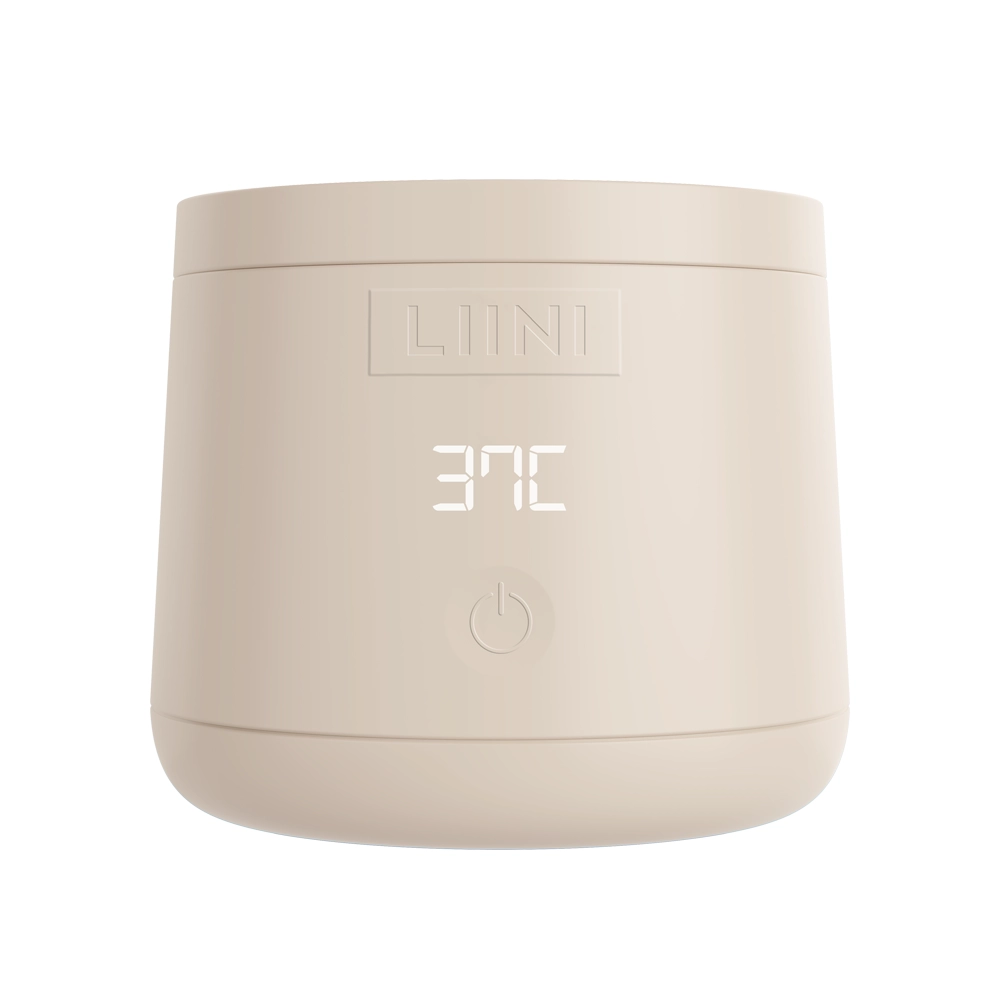
 4.0 PRObattery · on the go
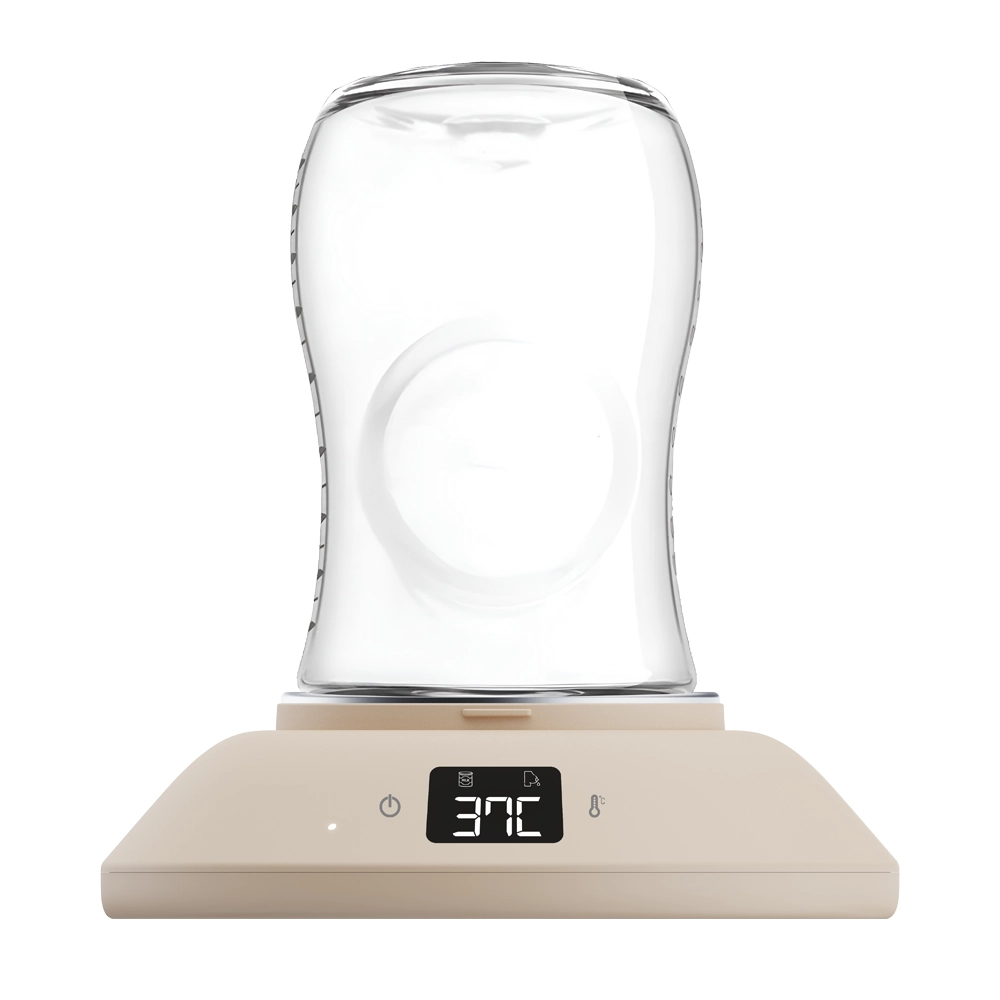 Home 230Vfor home
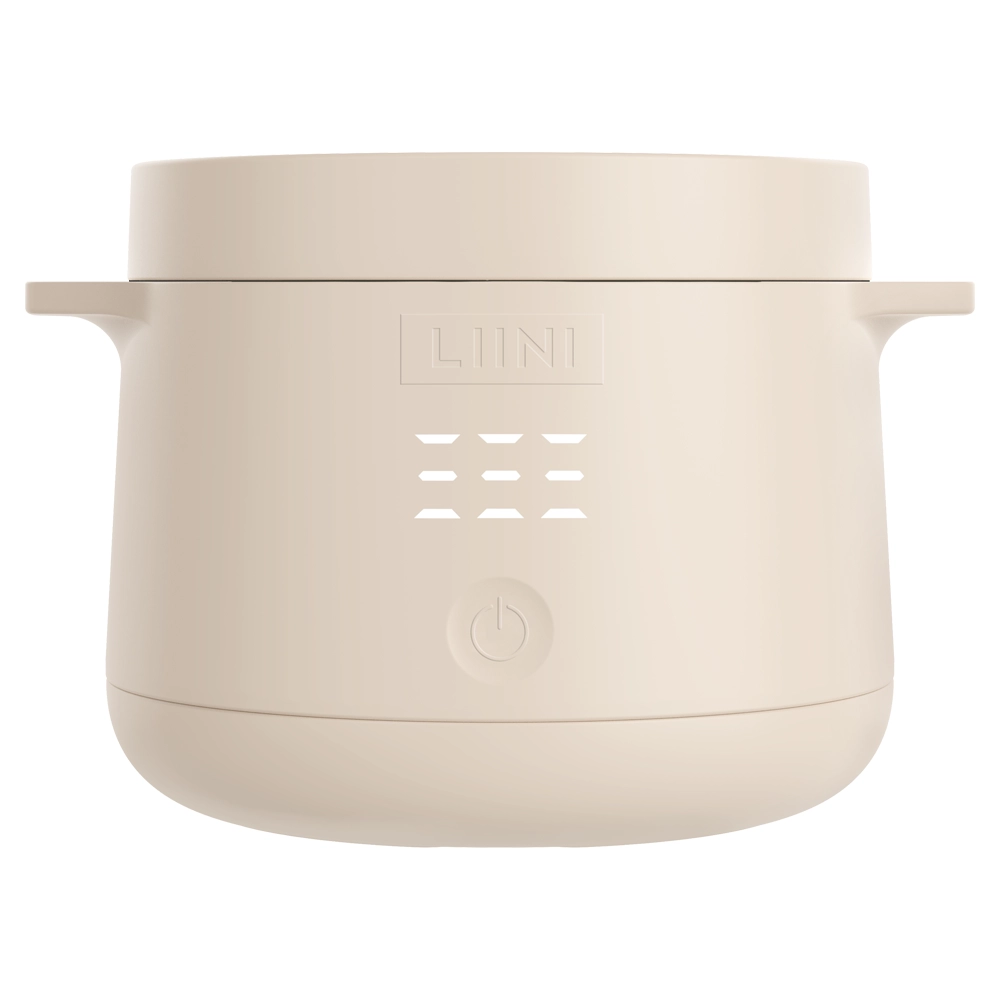 Baby food warmersfrom 6 months
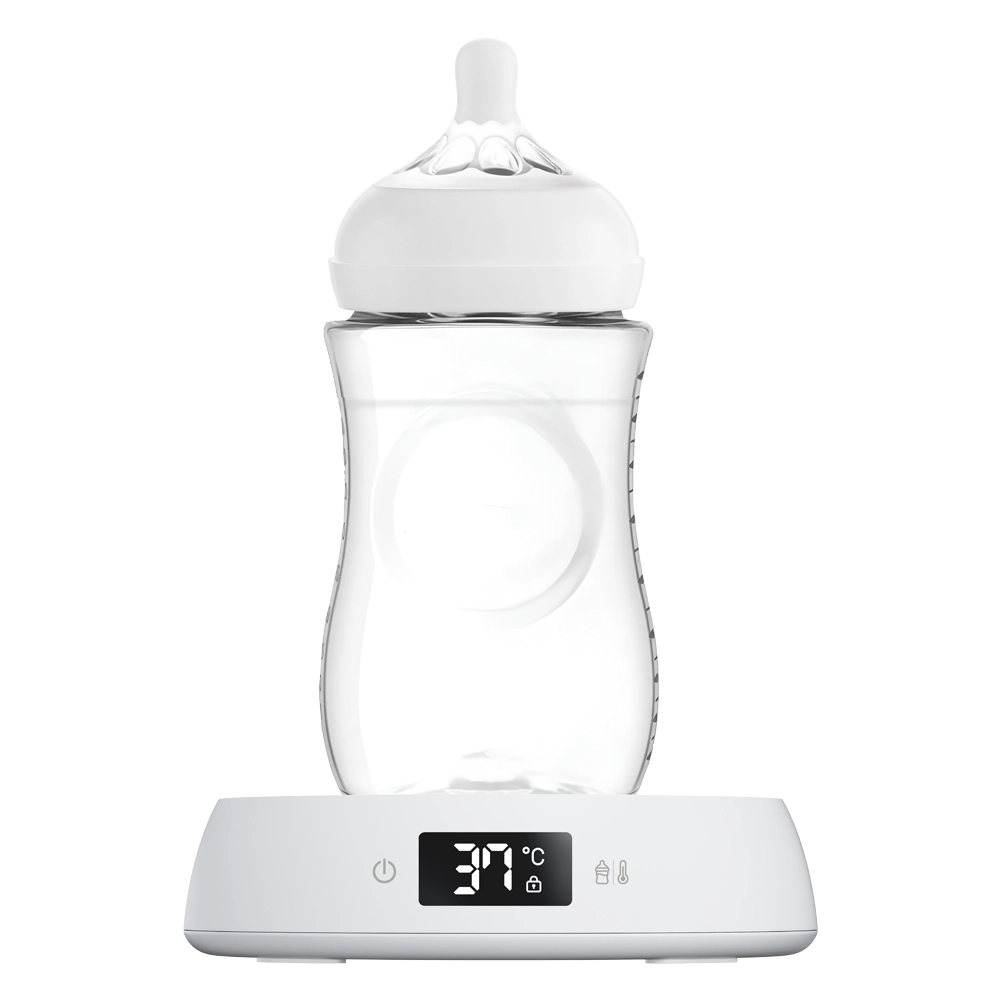 Night Stationfor the night




 Cleaning Wipes Monthly Pack
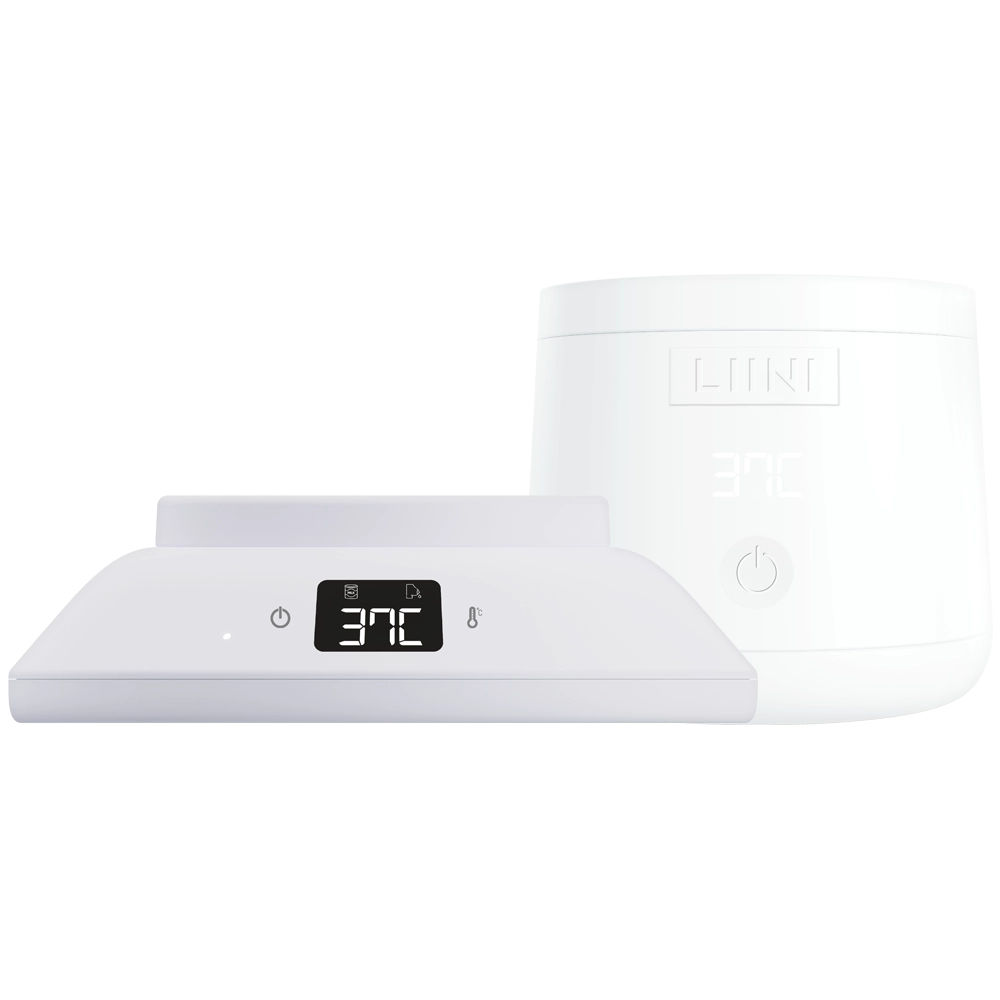 Home & 2Go Bundle
 Formula Dispenser Avent
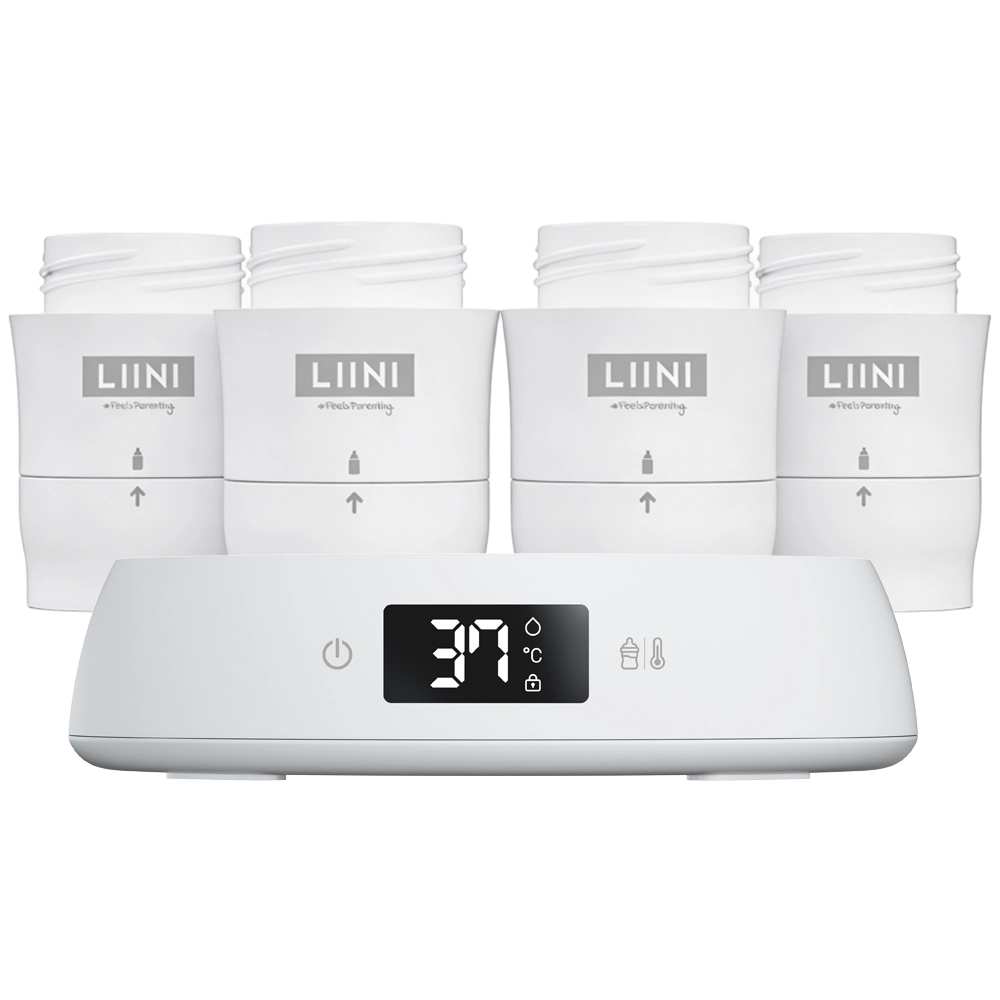
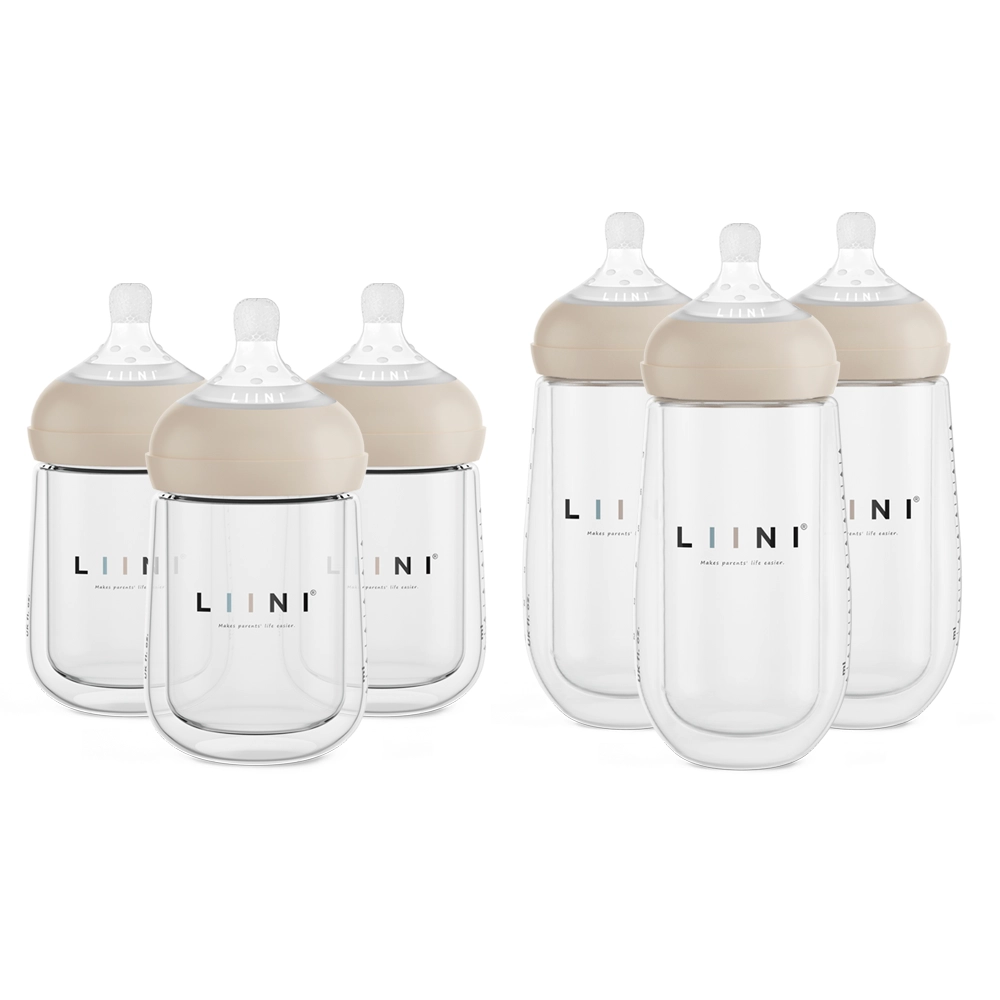 Baby Bottle Bundle










What kind of water should I use for baby food? Tap water, mineral water, baby water
Tap water, mineral water, or baby water? Whether you need to boil water for a baby's bottle and what to look for on the label, complete with a checklist.

Contents
In short
In Switzerland, fresh, cold tap water from the public water supply is suitable for baby bottles. According to the Federal Office for Food Safety and Veterinary Affairs (BLV), you don’t have to boil it. Let any water that has been sitting in the pipes for a while run out first until it comes out cold. You only need mineral water or baby water if your tap water isn’t suitable—for example, if it comes from an untested private well, through lead pipes, or when you’re traveling. In that case, use still water labeled “suitable for preparing infant formula.”
Almost all parents wonder which water is best for baby food when they prepare their baby’s first bottle. Tap water, mineral water, or baby water? And do you have to boil it? Here you’ll find recommendations from expert organizations in Switzerland and Germany, a comparison chart, and a checklist for the label.
Tap Water for Babies: The Top Choice in Switzerland
The BLV states: Tap water in Switzerland is safe and does not need to be boiled for baby bottles. According to the Swiss Society for Nutrition (SGE), tap water here is very strictly regulated and is suitable for mixing with powdered milk. Pediatrics Switzerland agrees: Mineral water is not necessary for hygienic reasons.
The only important thing is that the water is fresh. If water sits in the home’s plumbing for an extended period—such as overnight—its quality deteriorates. Here’s how to do it:
- Use cold water. Use only cold water. Tap water is not suitable for a baby’s bottle.
- Let the water run. Let the water run until it comes out of the faucet cold and at a consistent temperature.
- Bring to drinking temperature: Heat the water to drinking temperature, or bring it to a boil and let it cool to drinking temperature. According to Pediatrics Switzerland, both are possible.
- Prepare fresh. Add the powder according to the package instructions and feed immediately. Pour out whatever is left.
The instructions in ” How to Prepare a Bottle: Step by Step” show you the individual steps. The guide “How Warm Should Baby Formula Be ?” explains how warm the prepared formula should be.
Attention
Do not use water from filter jugs or other water filters. According to the BLV and the Swiss Society for Nutrition, germs and undesirable substances can accumulate in them.
You can find out about the composition of the water in your community by contacting your water utility. It must provide information on drinking water quality at least once a year.
Boiling water for babies: yes or no, and until when?
In Switzerland, it is not necessary to boil tap water from the public water supply. According to the SGE, this is only necessary in rare, exceptional cases, when the tap water is contaminated with bacteria. According to the SGE, the fact that many packages of milk powder still say “boil water” is due to liability concerns.
It makes sense to boil water when its quality is uncertain, such as when the water does not come directly from the public water supply. Then, according to the BLV, bring it to a boil once. If your municipality issues a water boiling advisory following a contamination incident, it also applies to the Schoppen.
How long should I boil it? There is no set age limit in Switzerland because boiling is generally not necessary. Some maternity hospitals still recommend it for the first few weeks of life; for example, the mother-and-child ward at Inselspital Bern does so in its informational brochure. In Germany, the Federal Institute for Public Health and the “Gesund ins Leben” network recommend boiling tap water during the first weeks or months of life and then letting it cool. If you’re unsure, talk it over with your midwife, the parenting counseling service, or your pediatrician.
Good to Know
On English-language websites, you often read that the water should be at least 70 °C when mixing the solution; this is recommended, for example, by the British National Health Service (NHS). Pädiatrie Schweiz, however, advises against using boiling water or water heated to 70 °C, due to the risk of scalding and because the nutrients in the milk may be adversely affected. If you’re not sure, ask your pediatrician.
Good to know: Boiling kills germs, but according to the German Federal Environment Agency, it does not remove lead.
Mineral Water for Babies: What You Need to Know
In Switzerland, you don’t need regular mineral water for a baby’s bottle. Pediatrics Switzerland even warns that, depending on the mineral content, it can be problematic for infants. The SGE advises against giving your baby water that’s high in minerals, because it could lead to your baby consuming too much salt.
If you do have to resort to bottled water, keep three things in mind:
- Still: The water must not contain carbonation.
- Low in minerals: This is what the SGE strongly recommends.
- The note on the label: The safest option is water labeled “suitable for preparing infant formula.”
In Germany, mineral water may bear this label only if it complies with strict maximum limits. The Federal Institute for Risk Assessment (BfR) specifies, among other things, a maximum of 20 mg of sodium, 10 mg of nitrate, 0.02 mg of nitrite, 240 mg of sulfate, and 0.7 mg of fluoride per liter. If this information is missing, you can compare the details on the label with these values.
Even bottled water is not sterile. An opened bottle belongs in the refrigerator. The German Federal Institute for Public Health recommends boiling mineral water as well during the first few months of life.
Checklist: Read the Label
- Still water, non-carbonated
- Label stating “suitable for preparing infant formula” is present
- Sodium: not more than 20 mg/l
- Nitrate: no more than 10 mg/l
- Nitrite: no more than 0.02 mg/l
- Sulfate: no more than 240 mg/l
- Fluoride: no more than 0.7 mg/l
- Bottle unopened, cap intact, best-by date not exceeded
- Put an opened bottle in the refrigerator
Baby Water: When It’s Worth It
Baby water is bottled, low-mineral water specifically designed for baby food. At home in Switzerland, you usually don’t need it. It comes in handy in these situations:
- When you’re on the go and don’t have fresh tap water on hand
- when traveling, especially in countries where tap water is not safe to drink
- if you get water from your own well that hasn’t been tested yet
- in the case of lead pipes inside the building, which may affect some older buildings outside Switzerland
- If your municipality temporarily advises you to boil your water
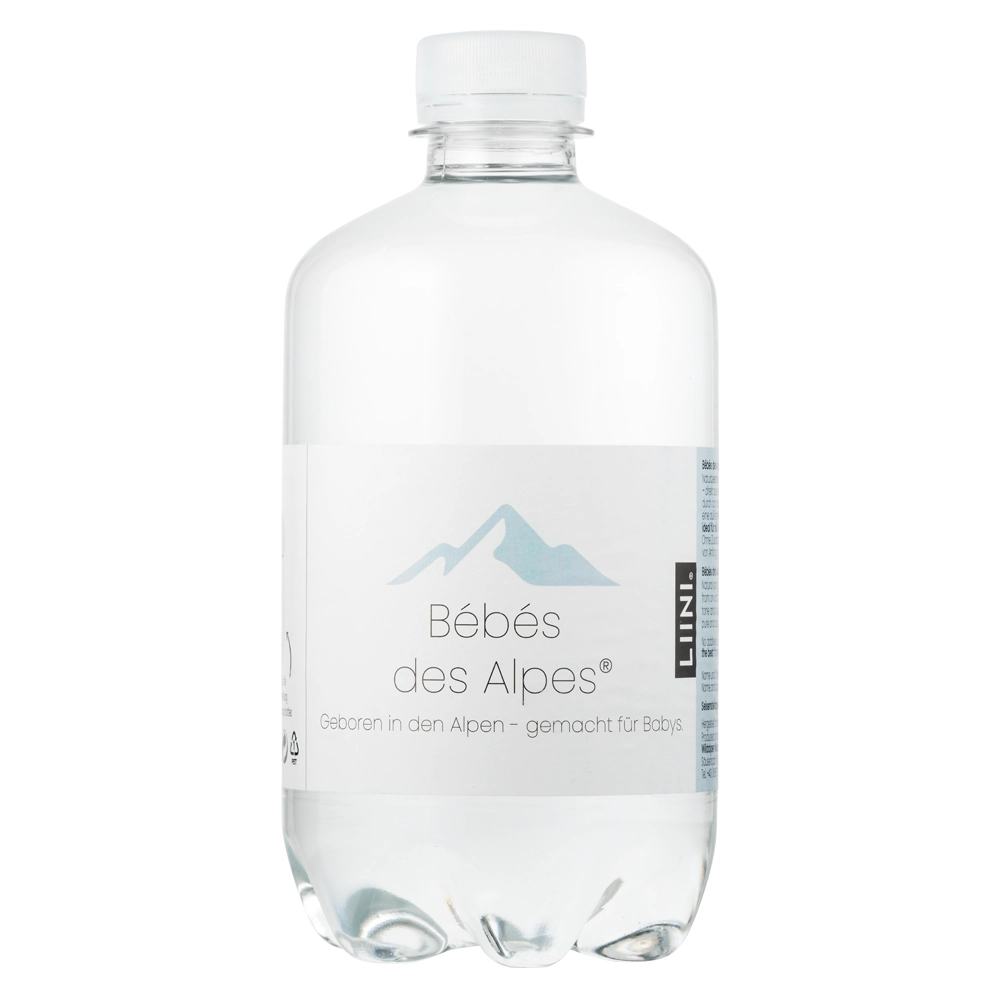
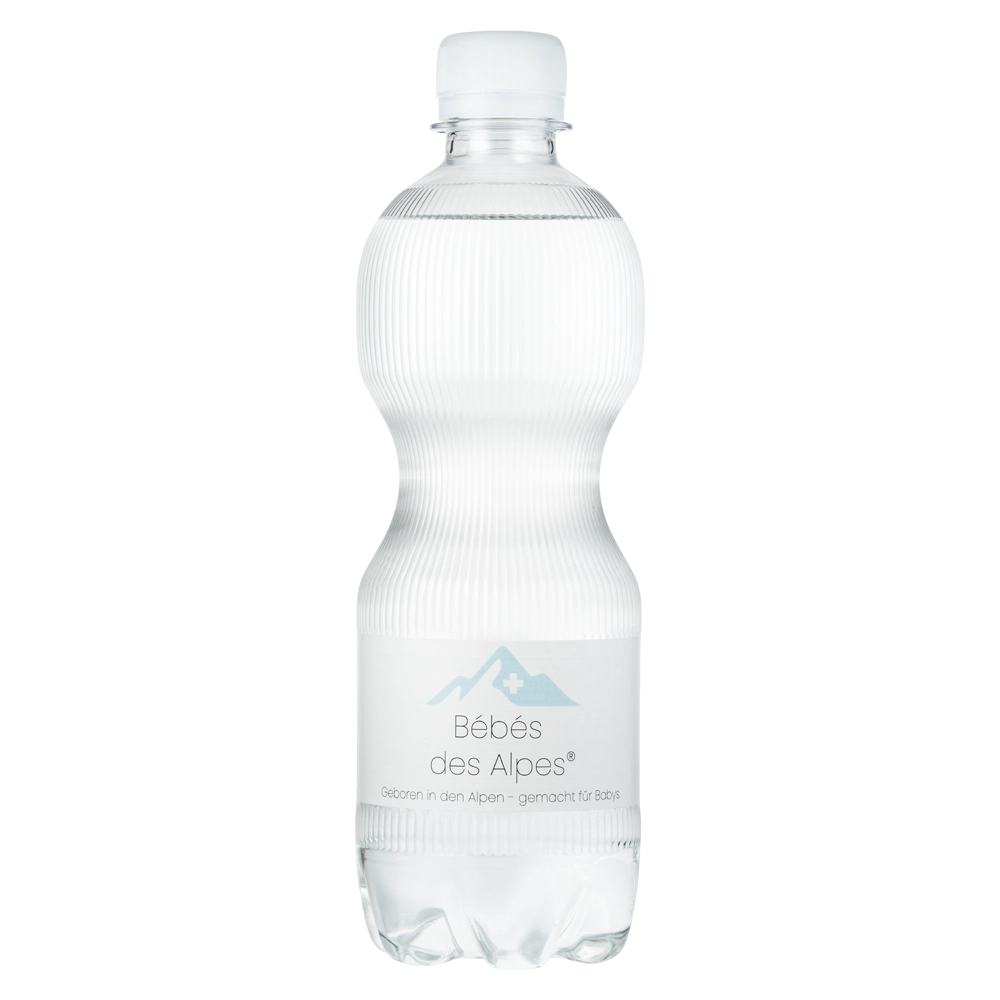
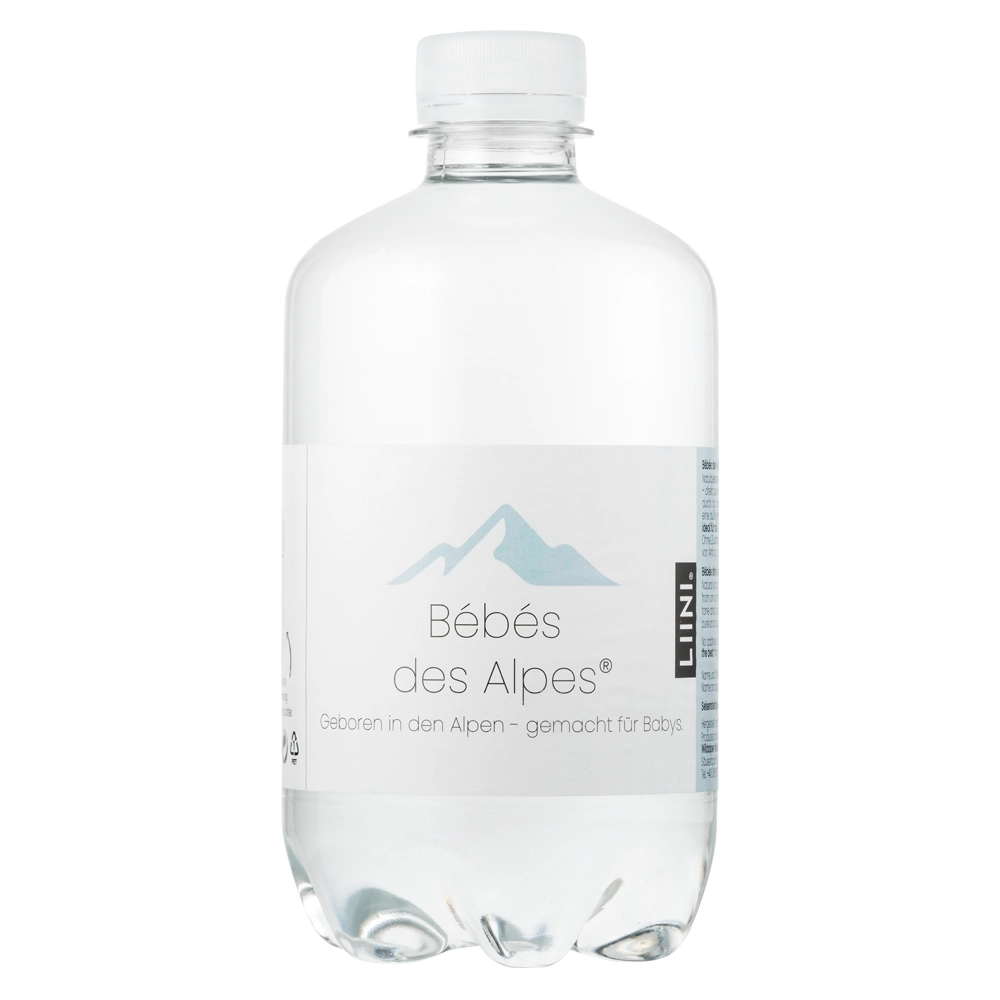
One example is the baby water from Bébés des Alpes®, which LIINI offers in Swiss, German, and Austrian editions. According to LIINI, it is low in minerals and sodium and is also suitable as drinking water for nursing mothers. The Swiss edition comes from the Grisons Alps. You can find the exact mineral content on the label. You can find all the editions under ” Baby Water.”
Tip
Baby wipes are no substitute for good hygiene. Open a fresh bottle each day, or put the opened one in the refrigerator, and prepare a fresh glass each time.
Lead pipes, private wells, and older buildings
Lead pipes: According to the Swiss Gas and Water Industry Association (SVGW), lead drinking water pipes have been banned in Switzerland since 1904. Lead in drinking water is therefore not an issue here. The situation is different in some older buildings abroad, such as in Germany: According to the Federal Environment Agency, lead pipes are found there primarily in houses built before 1973. They had to be removed or decommissioned by January 12, 2026. According to the Federal Institute for Public Health, water that has flowed through lead pipes should not be used for infant feeding. Boiling it, however, does not help. If you’re unsure, ask your landlord or your water utility. Until the matter is clarified, use bottled water labeled “suitable for preparing infant formula.”
Private wells: Water from private wells is not subject to public oversight. According to the Swiss Society for Nutrition, high nitrate levels are often found in private wells. The “Gesund ins Leben” network advises against using such water until an accredited laboratory has confirmed its quality.
Plumbing: If water has been sitting in the pipes for a long time—for example, in a vacation home—be sure to drain it thoroughly.
On the Go and While Traveling
When you’re on the go, fresh tap water isn’t always available. The Federal Institute for Public Health recommends bringing boiled water in a thermos and carrying the powder separately in a clean bottle. It is mixed just before the meal, rather than keeping prepared milk warm for hours.
Alternatively, you can bring baby water with you and warm it up when you get there. Our guide, “How to Keep Milk Warm on the Go,” shows you how to do this without a power outlet.
When traveling abroad, if the tap water is not safe to drink, do not use it for your baby’s bottle either. Choose still, bottled water—ideally one labeled for infant formula.
A Comparison of Water for Baby Food
| Water | For a glass? | Boil it? | Good to Know |
|---|---|---|---|
| Tap Water in Switzerland (Public Water Supply System) | Yes, the best choice | not necessary | Let it cool, then drain off the stale water |
| Tap Water in Germany | Generally speaking, yes | Recommended during the first few months of life | not made of lead pipes |
| Still water labeled for infant formula | Yes, if tap water isn’t suitable | Recommended in Germany during the first few months | Opened and placed in the refrigerator |
| Baby water | yes | like mineral water | Handy for everyday use and when traveling |
| Still mineral water with no label | only if low in minerals | like mineral water | Check the values on the label |
| Sparkling water or mineral-rich water | no | – | Carbonation, too many minerals |
| Uninspected House Well | only after laboratory analysis | Wait for the lab results | Nitrate Levels Often Elevated |
| Water from the filter pitcher | no | – | Germs can multiply |
| Hot water from the faucet | no | – | Always use cold water |
Frequently Asked Questions
Do I need to boil the water for the bottle?
Not in Switzerland, provided the water comes from the public water supply. The BLV and SGE consider boiling necessary only when the quality is unclear or there is bacterial contamination. Let the water run out first until it runs cold.
Until when do I need to boil water for the baby?
In Switzerland, there is no set age limit because it is generally not necessary to boil tap water. Some hospitals recommend it for the first few weeks of life. German health agencies recommend boiling food before feeding it to infants during their first few months of life. Ask your midwife or the parenting counseling service what works best for you.
Which mineral water is suitable for babies?
Still, low-mineral water labeled “suitable for preparing infant formula.” In Germany, maximum limits apply for these substances, such as no more than 20 mg of sodium and 10 mg of nitrate per liter. Sparkling water and mineral-rich water are not suitable.
Is baby water better than tap water?
Not necessarily. According to the BLV, Swiss tap water is safe and suitable for use in baby bottles. Baby water is convenient when you’re on the go, traveling, or if your tap water isn’t suitable—for example, because it comes from an untested well.
How much nitrate is allowed in water used for baby food?
In Germany, water labeled as suitable for infant formula may contain no more than 10 mg of nitrate per liter. The maximum limit for drinking water in Switzerland is 40 mg per liter, which, according to the SVGW, is generally met. Elevated levels are found primarily in household wells.
Can I use water from a filter pitcher?
No. The BLV advises against using water filters to prepare baby formula, as germs can multiply in them. Use fresh, cold water straight from the tap.
Can I get hot water straight from the faucet?
No. Hot water from the tap comes from the water heater and is not suitable for a baby’s bottle. Take some cold water and heat it in a kettle, bottle warmer, or pot until it reaches drinking temperature.
Sources
- Fact Sheet: Preparing a Baby Bottle, Federal Office for Food Safety and Veterinary Affairs (BLV)
- Nutrition for Infants and Toddlers: Bottle-Feeding, BLV
- Recommendations for Infant Nutrition (2017), Nutrition Committee of the Swiss Society of Pediatrics
- FAQ: Life Stages: Infants and Toddlers, Swiss Society for Nutrition (SGE)
- Handbook “Eating and Drinking in the First Year of Life,” Swiss Society for Nutrition (SGE) on behalf of Health Promotion Switzerland
- Information Sheet on Preparing Infant Formula, Inselspital Bern, Mother & Child Ward
- FAQ: Drinking Water, Swiss Association of the Gas and Water Industry (SVGW)
- Drinking Water, Canton of Zurich, Cantonal Laboratory
- Health Assessment of Very Low-Mineral Mineral Water (Statement 041/2020), Federal Institute for Risk Assessment (BfR)
- Drinking Water for Babies, kindergesundheit-info.de, Federal Institute for Public Health
- Preparing Infant Formula, kindergesundheit-info.de, Federal Institute for Public Health
- Hygiene When Bottle-Feeding, kindergesundheit-info.de, Federal Institute for Public Health
- Preparing Infant Formula, “Gesund ins Leben” Network
- Lead Pipes: Lead in Drinking Water Is Hazardous to Health, Federal Environment Agency
- Preparing Baby Formula, NHS