
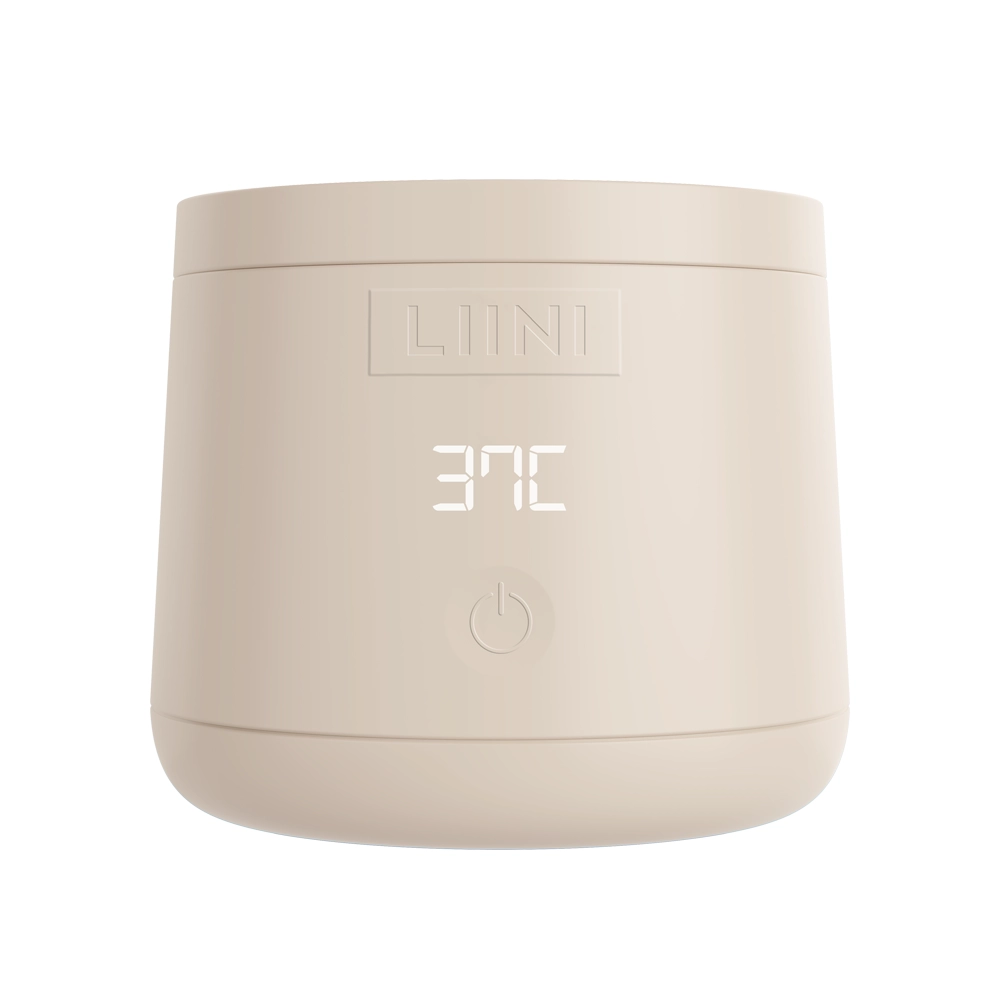
 4.0 PRObattery · on the go
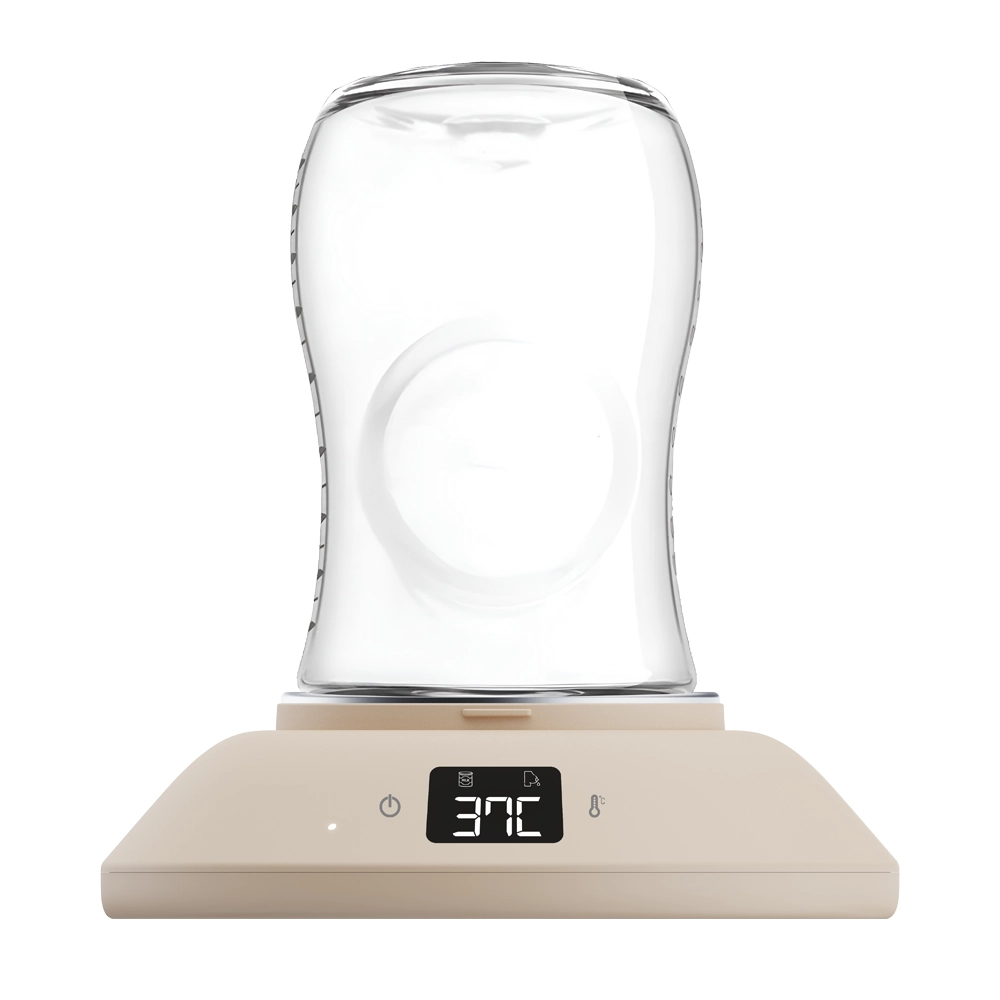 Home 230Vfor home
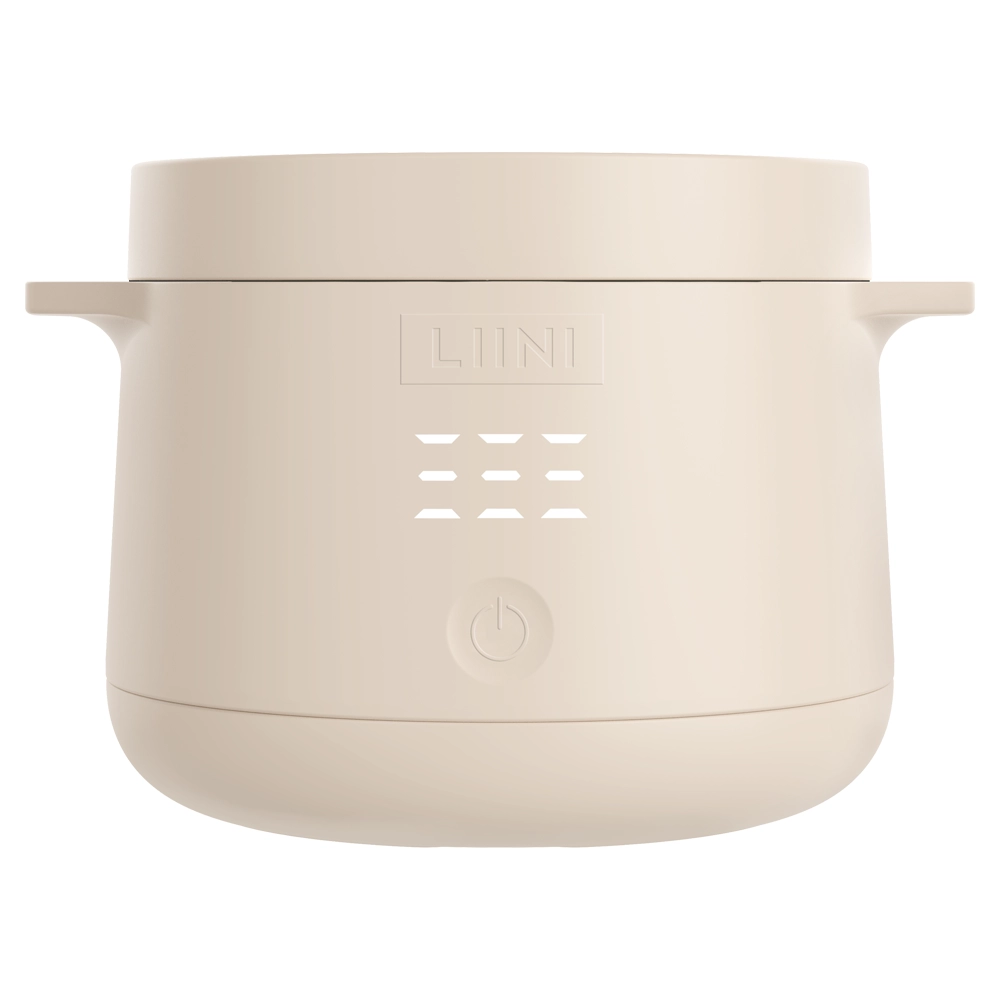 Baby food warmersfrom 6 months
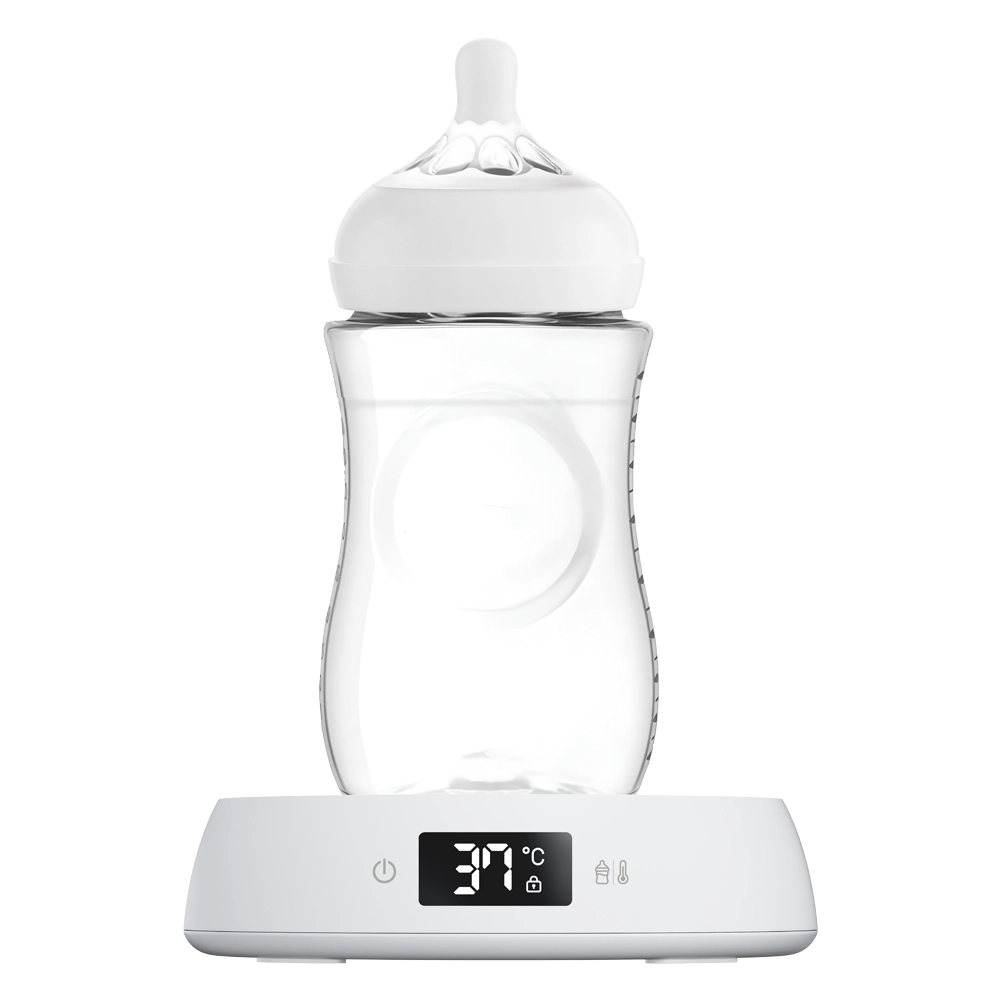 Night Stationfor the night




 Cleaning Wipes Monthly Pack
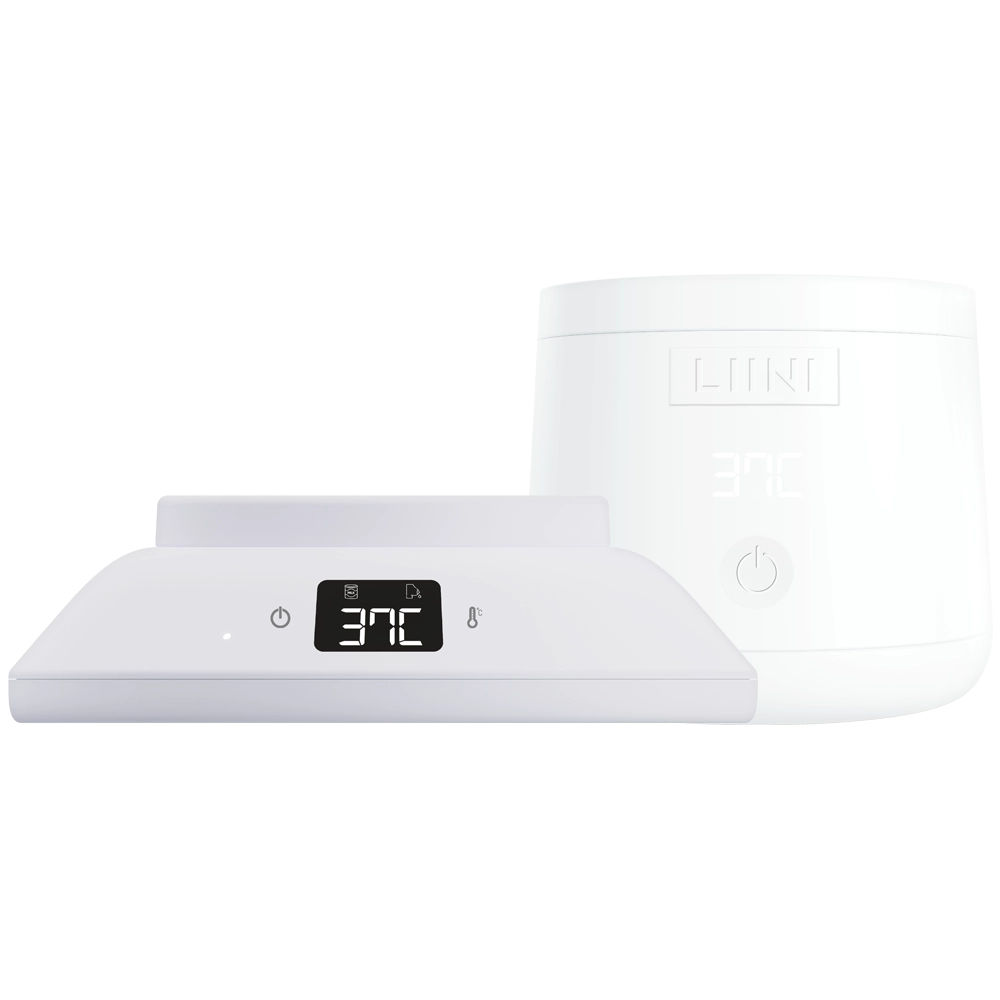 Home & 2Go Bundle
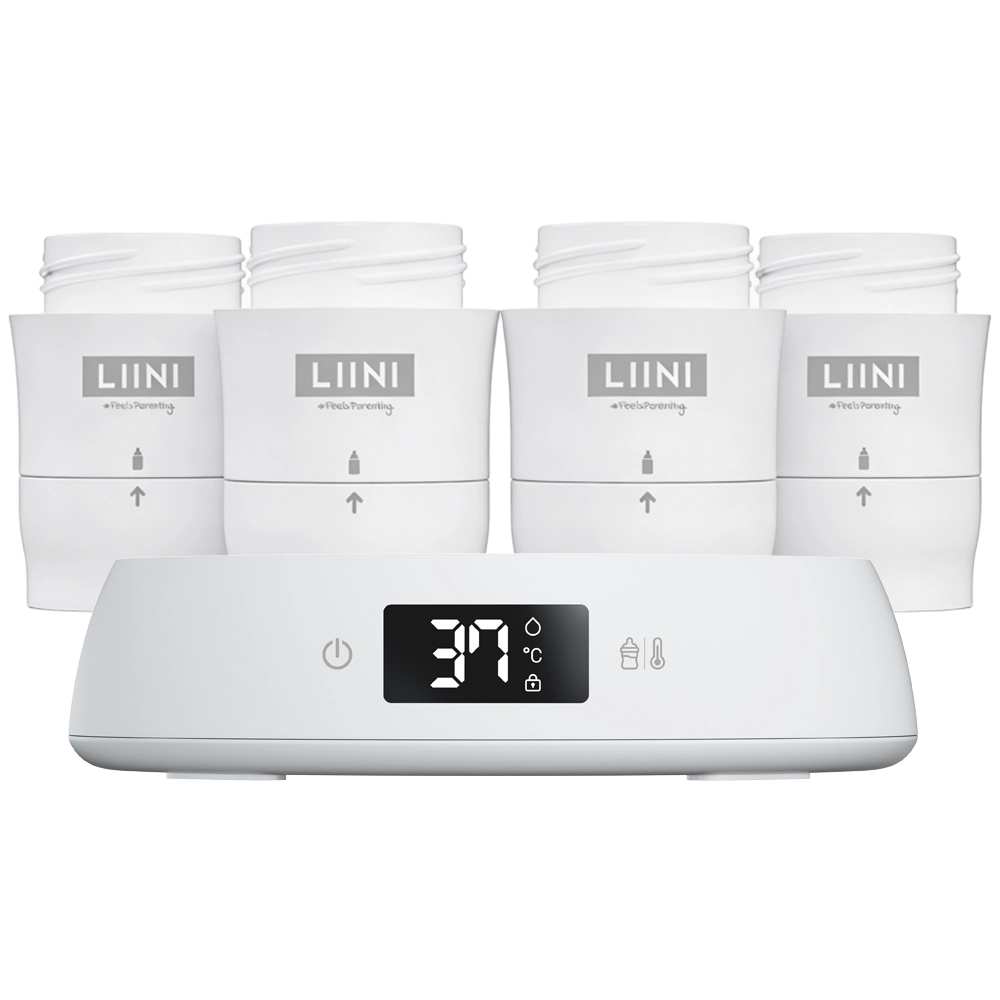 Formula Dispenser Avent
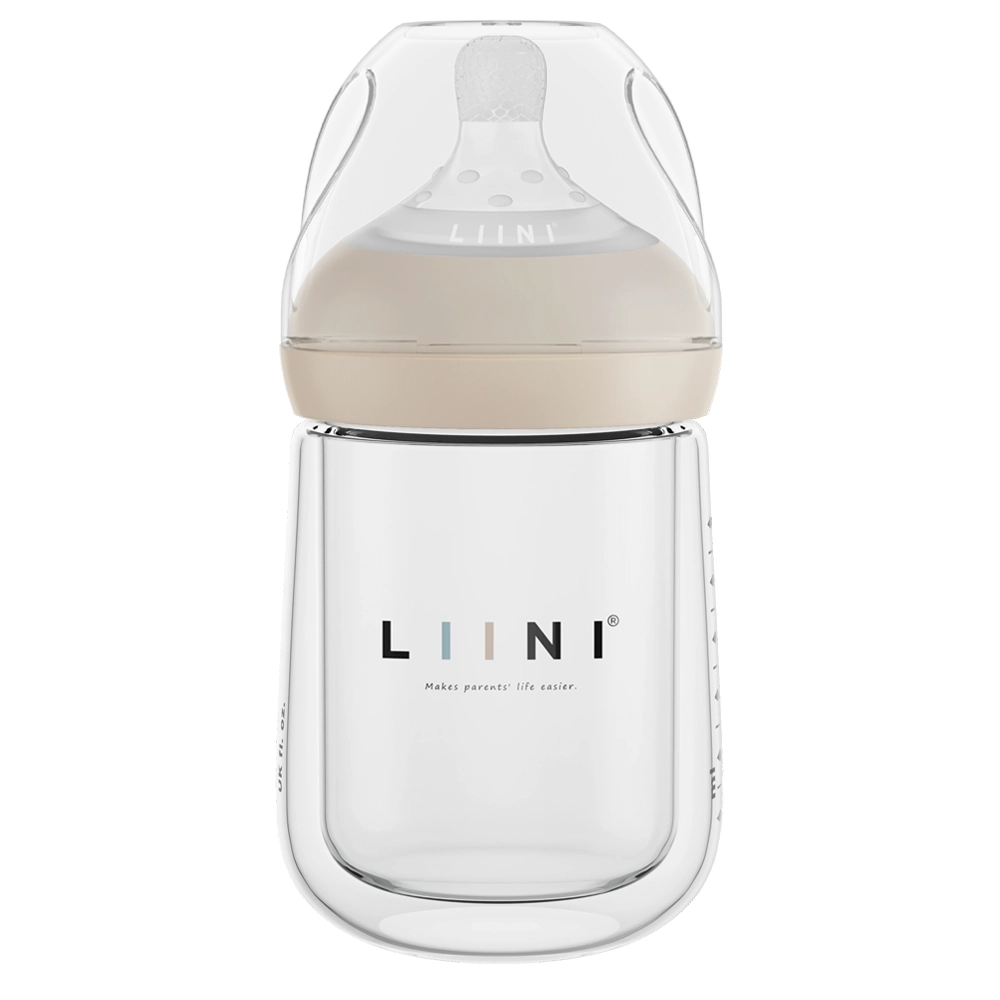
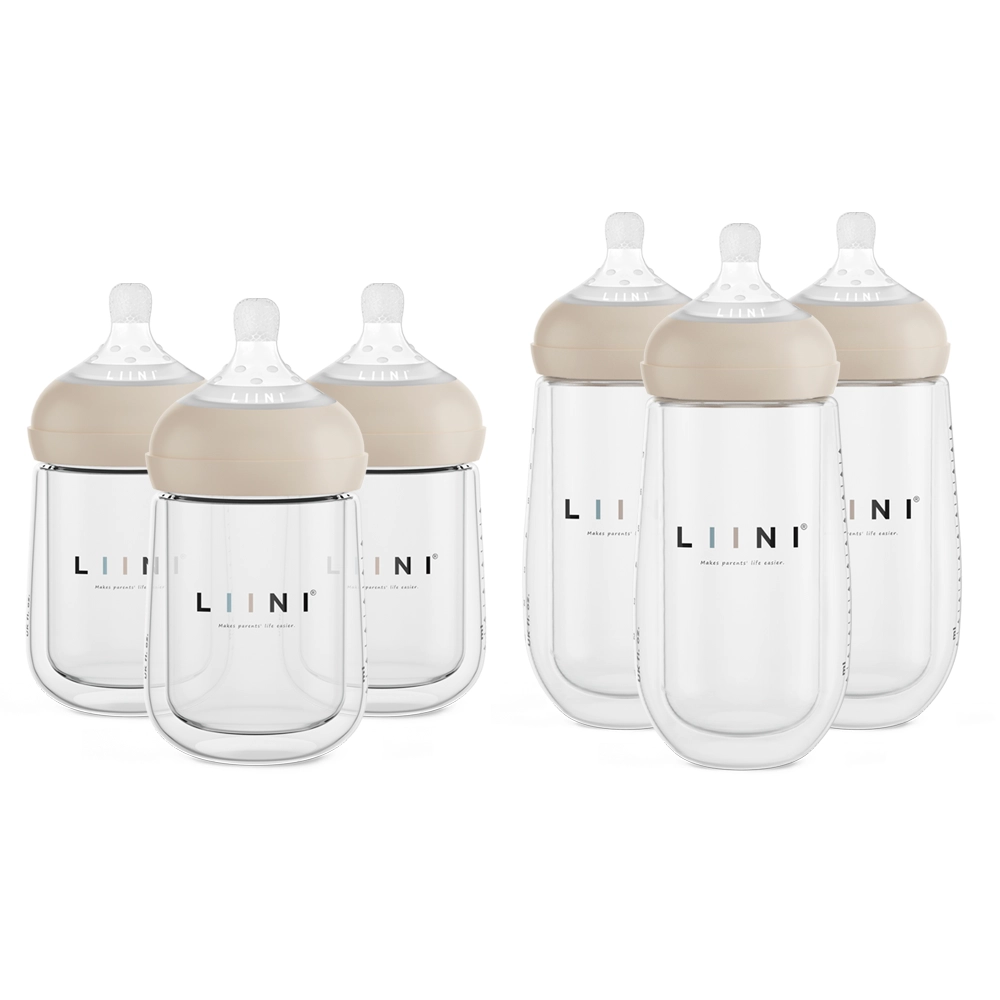 Baby Bottle Bundle










How to Make Baby Formula: Step by Step
Here's how to safely prepare formula and bottles: from washing your hands to using the right water to checking the temperature. Includes step-by-step instructions and a checklist.
Contents
In short
To prepare a bottle, first wash your hands and take a clean bottle. Then fill it with fresh water at drinking temperature or boiled, cooled water, and add the formula exactly as directed on the package. Shake until everything is dissolved, and check the temperature on the inside of your wrist. Prepare each bottle fresh, and discard any leftovers after the feeding.
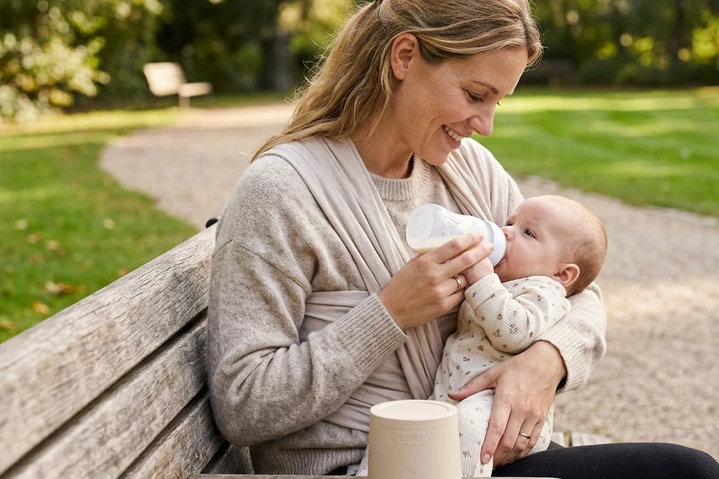
Whether it’s your baby’s first bottle during the postpartum period or the fifth one of the day: With a few simple steps, preparing a bottle will quickly become second nature. Here, you’ll learn how to prepare a bottle hygienically, with the correct amount of formula, and at the right temperature. We’ve also included a checklist and answers to the most common questions.
What You Need to Make a Bottle
Before you get started, lay everything out in front of you. That way, you won’t have to search for things while holding a hungry baby.
- Clean baby bottles with nipples in the right size
- Infant formula: For newborns, choose a starter formula labeled “Pre” or “Start” on the package
- The measuring spoon from the package
- A clean knife or the scraper from the can
- Fresh tap water and a kettle for boiling
- A bottle brush and dish soap
- A clean cloth or a drying rack
- For on the go and at night: a thermos and a container for pre-portioned formula
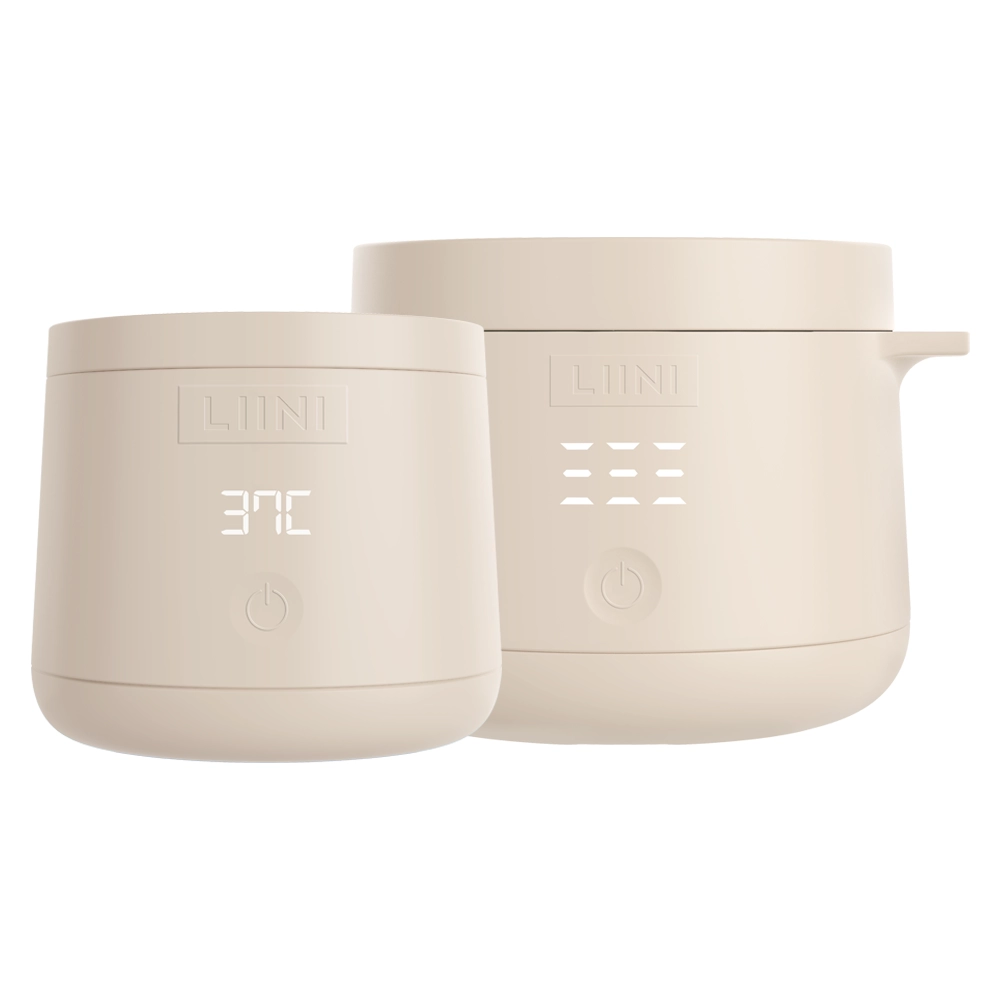
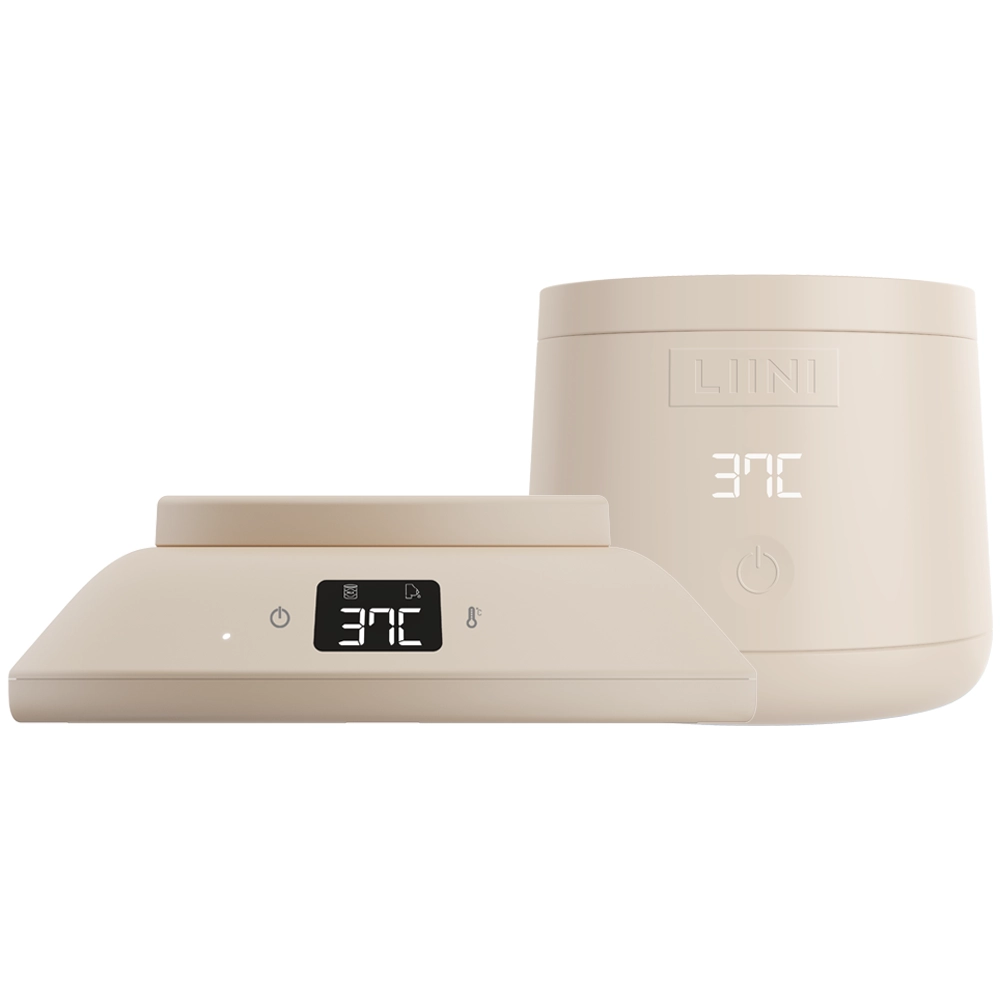
- Optional: a bottle warmer with a fixed temperature setting
To find out whether glass or plastic is a better fit for you, check out the guide “Glass or Plastic Baby Bottles?”.
Hygiene: Hands, Bottles, and Nipples
Infant formula is a good breeding ground for germs. That’s why clean hands and clean bottles are the most important things when preparing a bottle.
- Wash your hands: Wash your hands thoroughly with warm running water and soap before each feeding.
- Rinse immediately after feeding: Rinse the bottle and nipple right after the feeding with hot water, dish soap, and a clean bottle brush to prevent milk from drying on them.
- Dishwasher: The dishwasher is also suitable. The Lindenhof Hospital in Bern recommends a temperature of 65 °C for this.
- Drying: Place the bottles upside down on a clean cloth and store them in a dry place.
- Inspection: Check bottles and nipples regularly for cracks or damage, and replace any damaged parts.
Do I need to sterilize baby bottles?
Opinions on this vary. Pädiatrie Schweiz states that bottles and nipples should be thoroughly cleaned and stored in a dry place, and that boiling them is not necessary. The German network Gesund ins Leben also sees no additional benefit to this practice in the home. The Inselspital Bern, on the other hand, recommends boiling bottles and nipples daily during the first three months of life or washing them in the dishwasher at a minimum temperature of 65 °C. According to the German Federal Institute for Risk Assessment (BfR), if you choose to boil them, leave the items in boiling water for at least two minutes.
If your baby is sick, Lindenhof Hospital in Bern clearly advises: If your baby has thrush, is vomiting, or has diarrhea, boil bottles and nipples after each use or wash them in the dishwasher at a temperature of at least 65 °C. You should boil rubber nipples occasionally, as they can become porous. This isn’t necessary for silicone nipples. If you’re unsure, ask your midwife or the parenting counseling service.
What kind of water should you use for the bottle?
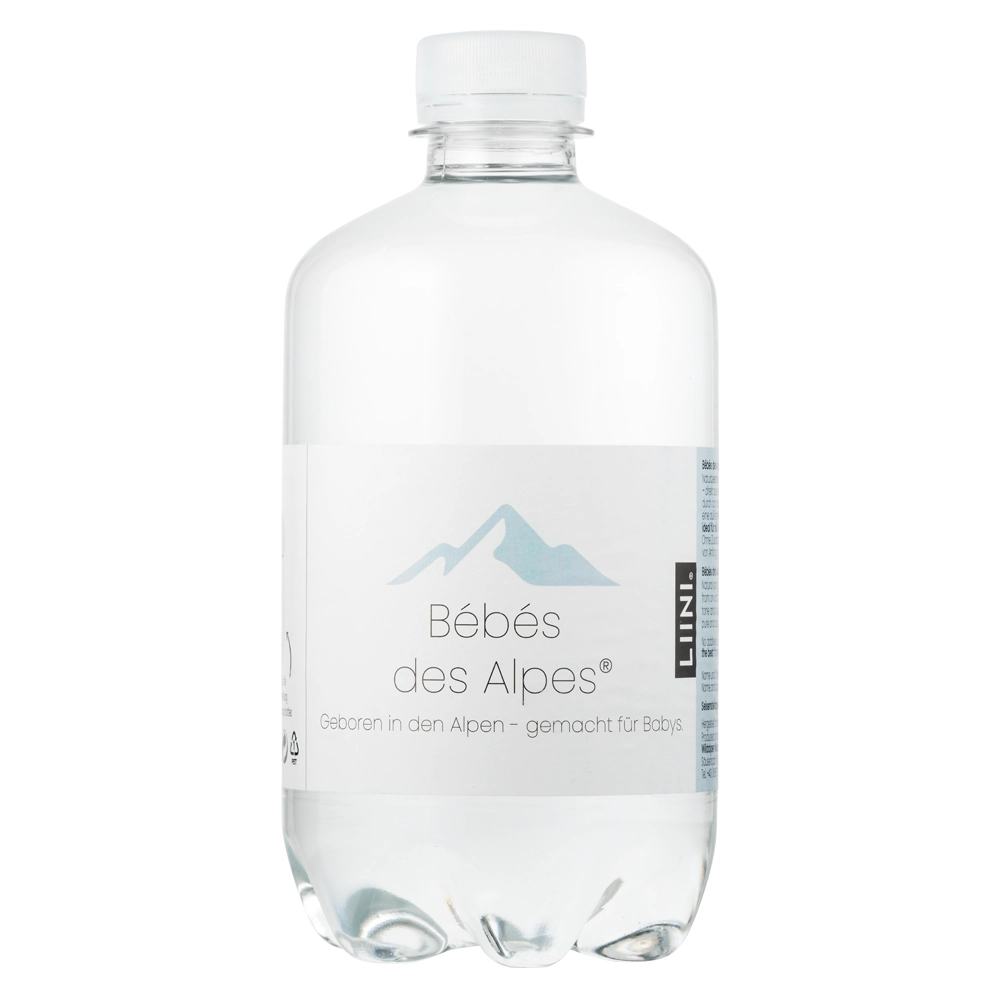
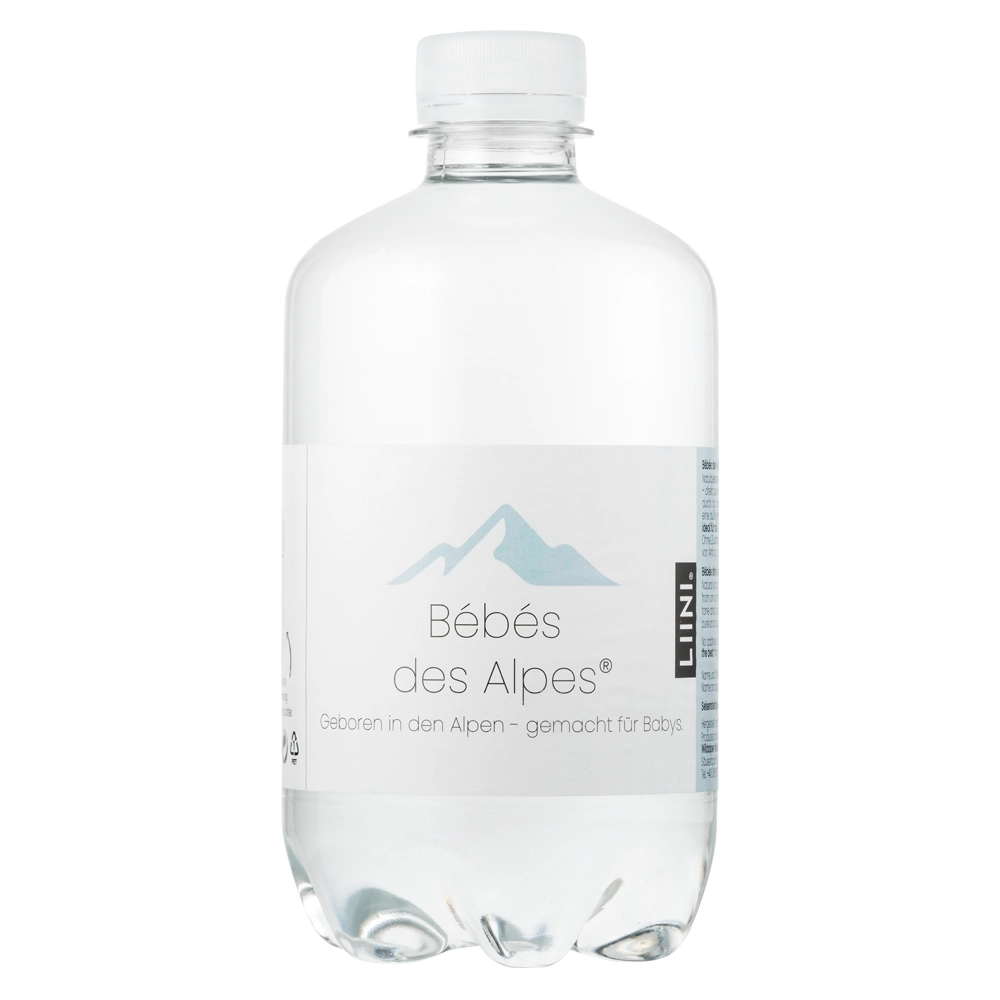
In Switzerland, you can use fresh tap water. Let it run until cold water comes out at a consistent temperature, as water that has sat in the pipes overnight should be drained out first. According to Pediatrics Switzerland, mineral water is not necessary for hygienic reasons and may even be undesirable, depending on its mineral content. If you do need bottled water, choose still, low-mineral water labeled “suitable for preparing infant formula.” You can learn more about this in the guide “Which Water Is Best for Baby Food?”
Water from the hot tap, the water heater, or a water filter is not suitable. Germs can multiply in filters.
Boiling Water: The Inselspital Bern recommends boiling water and letting it cool during the first few weeks of life. You should also boil water that has been sitting out, water from the hot water heater, or water from a filtration system. Let boiled water cool to about 30 to 40 °C—that is, lukewarm.
Temperature for mixing: Pediatrics Switzerland recommends preparing the formula with water at drinking temperature. The professional association advises against using boiling water or water heated to 70 °C, as your baby could get scalded and the nutrients could be damaged. Also, be sure to follow the instructions on your package.
Preparing a Bottle: Step by Step
These six steps apply to all infant formula and all powdered starter milk. The exact amounts are listed in the dosage chart on your package.
- Wash your hands. Wash your hands with soap and dry them with a clean towel. Have the clean bottle ready.
- Prepare the water: Warm fresh tap water to drinking temperature, or let boiled water cool to lukewarm.
- Pour the water first. Pour the amount of water specified on the package into the bottle. Read the scale at eye level to ensure the amount is correct.
- Measure the powder: Fill the measuring spoon loosely, without packing it down, and level it off with the back of a clean knife or the scoop’s scraper. Add exactly as many spoons to the water as indicated on the package.
- Shake: Attach the nipple and protective cap, then shake the bottle until the powder is completely dissolved. If you still see lumps, let the bottle sit for a moment and shake it again.
- Check the temperature. Put a few drops on the inside of your wrist. The formula should feel warm or cool, but not hot. For more details on exactly how warm it should be, see the guide “How Warm Should Baby Formula Be?”.
After feeding, immediately pour out any leftovers and rinse the bottle and nipple right away. If the milk is still too hot, hold the closed bottle under cold running water and check again.
Caution
Never heat the bottle in the microwave. It heats unevenly, creating hot spots that can burn your baby’s mouth. Also, never change the amount of formula: According to the NHS, too much formula can lead to constipation or dehydration, while too little won’t provide enough nutrients.
Why Every Bottle Must Be Fresh
Always prepare infant formula just before feeding time. The Inselspital Bern warns: If you keep infant formula warm, bacteria will multiply rapidly in it. This can cause your baby to have diarrhea or vomit. The BfR recommends feeding prepared formula within two hours. Discard any formula your baby doesn’t drink, and do not reheat it.
However, there are a few things you can prepare in advance. This saves time, especially at night and when you’re on the go:
| What | Do you need to prepare? | Here’s how |
|---|---|---|
| Clean bottles and nipples | Yes | Set aside in a dry, covered container |
| Boiled water | Yes | in a clean, sealed thermos |
| Powdered milk | Yes | measured in a dry bottle or a measuring scoop |
| Prepared milk | No | Always fresh, just before drinking |
| Leftover milk | No | Pour it out immediately; never save it |
A powdered milk scoop is handy: You fill it with the measured portions of dry powder and add them directly to the water as needed.
Bottle-feeding on the go and at night
When you’re on the go, the same rule applies as at home: Take the water and powder separately and don’t mix them until your baby is hungry. The Lindenhof Hospital in Bern recommends bringing boiled water in a thermos. Transport the measured milk powder in a clean, dry bottle or a measuring scoop. For tips on how to warm milk on the go without a kitchen, see the guide “Warming Milk on the Go.”
At night, you want to get things done quickly without compromising hygiene. That’s why you should prepare the water and formula in the evening and only mix in the milk when your baby wakes up. You can find a comparison of four methods in the guide “How to Quickly Prepare a Bottle at Night.”
From LIINI


Frequently Asked Questions
How much powdered milk goes into a bottle?
Exactly as much as the feeding chart on your package specifies. Each brand has its own measurements, so always use the scoop that comes with the package. Fill the scoop loosely and level it off without pressing down. Never add more or less powder than specified.
Can I use tap water directly in Switzerland?
Yes. Pediatrics Switzerland recommends fresh drinking water from the tap. Let the water run first until it comes out cold. The Inselspital Bern recommends boiling it additionally during the first few weeks of life. Water from the hot water tap or water heater is not suitable.
How warm should the water be for mixing?
Pediatrics Switzerland recommends water at drinking temperature or boiled water that has cooled to drinking temperature. The “Gesund ins Leben” network specifies a maximum of 40 °C to prevent your baby from getting scalded. Also check the package instructions and always test the prepared formula on your wrist.
Why do some countries recommend water heated to 70 °C?
The World Health Organization (WHO) and the British National Health Service (NHS) recommend mixing powdered milk with water heated to at least 70 °C. This is intended to kill germs in the powder. Pediatrics Switzerland advises against this because babies can get scalded and the nutrients can be compromised. If your baby is at increased risk of infection—for example, because they were born prematurely—discuss the preparation with the hospital or your pediatrician.
How long can a prepared bottle be left standing?
As short as possible. The BfR recommends feeding prepared infant formula within two hours. Discard any leftovers after the feeding. Never keep a bottle warm, and do not reheat it a second time.
Can I warm up the bottle in the microwave?
No. The microwave heats unevenly, and very hot spots can form in the milk. According to Inselspital Bern, the vitamin C content is also affected. It’s better to use a warm water bath or a bottle warmer.
How much milk does my baby drink per day?
According to Inselspital Bern, from about ten days old until the end of their third month of life, babies drink about one-sixth of their body weight per day. However, the information on the package is only a guideline. Your baby will let you know when they’re hungry and when they’re full. If you have questions about how much your baby is drinking, the parenting counseling service or your pediatrician can help.
Sources
- Recommendations for Infant Nutrition (2017), Nutrition Commission of the Swiss Society of Pediatrics (Pediatrics Switzerland)
- Information Sheet on the Preparation of Infant Formula, Insel Group, Inselspital Bern
- Infant Formula: Preparation and Administration. Information Sheet for Parents, Lindenhof Group, Lindenhof Hospital, Bern
- Nutrition for Infants and Toddlers, Federal Office for Food Safety and Veterinary Affairs (BLV)
- FAQ: Life Stages: Water for Bottle Preparation, Swiss Society for Nutrition (SGE)
- Recommendations for the Hygienic Preparation of Powdered Infant Formula, Federal Institute for Risk Assessment (BfR)
- Preparing Infant Formula, kindergesundheit-info.de, Federal Institute for Public Health (BIÖG)
- Hygiene during bottle-feeding, kindergesundheit-info.de, Federal Institute for Public Health (BIÖG)
- How to Feed Formula Correctly, kindergesundheit-info.de, Federal Institute for Public Health (BIÖG)
- What should you keep in mind when preparing infant formula hygienically?, Healthy Start Network
- Preparing a Bottle for Your Baby, Netzwerk Gesund ins Leben
- How to Prepare Baby Formula, NHS